By Darren Yuen, CEO, IPG Mediabrands
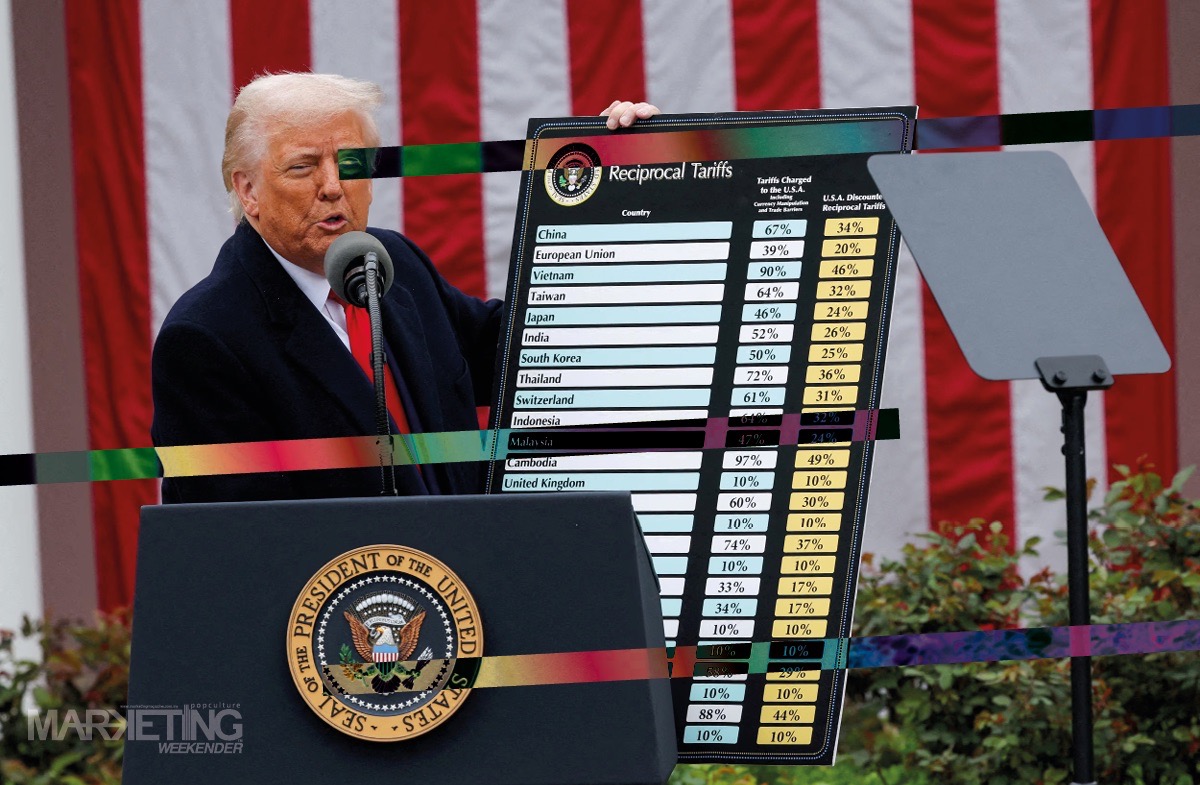
As the US enforces a new wave of tariffs on goods from major trading nations, particularly China, the ripple effects are beginning to reach Southeast Asia. Malaysia, a key regional production hub and a strategic re-exporter, finds itself in the crosshairs. While not the direct target of US tariff actions, the country’s economic and brand ecosystems are deeply intertwined with the global supply chain.
International and local brands operating in Malaysia – especially those tied to tech, automotive, consumer goods, and retail sectors – must now recalibrate their strategies to weather the storm and prepare for their next chapter.
Marketers and agencies alike need to now move beyond reactive tactics and prepare for lasting structural shifts in consumer behaviour, cost bases, and market sentiment.
Ringgit woes: How tariffs could hit wallets
Malaysian consumers may soon feel the pinch as multinational brands pass on tariff-related costs. This could trigger a pullback in discretionary spending, especially amongst middle-income groups. Brands could thus expect increased price sensitivity, with shoppers becoming more frugal, value-driven, and eager for promotions and local alternatives.
A double-edged sword for local brands
Local brands, while more insulated from direct tariff impact, face a mixed bag. On one hand, they may gain share as affordable alternatives. On the other, their raw material costs may rise if imports become more expensive due to global trade tensions. The key is for local brands to double down on building brand equity while maintaining cost competitiveness, and to emphasise the essence of ‘homegrown value’ in communications.
A survival playbook for marketers and agencies
Marketers need to go beyond discounting and instead reshape the conversation around ‘smart value’ or ‘worthwhile quality’. This calls for sharper creative storytelling, re-engineered product tiering, and possibly even bundling strategies to protect margins and perceived value.
It is critical for agencies to rework the creative brief to emphasise the benefits that go beyond price, be it durability, local sourcing, heritage, or innovation. Importantly, shift the media mix to platforms that are demonstrably effective in delivering educational storytelling.
With global economic uncertainty on the rise, agencies and brand teams must take an always-on approach to scenario planning. Build flexible go-to-market playbooks based on different economic triggers, e.g., inflation spikes, import cost surges, FX fluctuations; and develop multi-scenario media and messaging frameworks tied to these economic signals and scenarios.
Programmatic advertising and dynamic creatives are great flexible platforms to consider, allowing brands to adjust messages by location or customer segments in near real-time.
Economic patriotism tends to surge during international trade disputes. Malaysian consumers have repeatedly shown a strong affinity for narratives that champion local jobs, businesses and innovation. To capitalise, brands are encouraged to collaborate with local suppliers, artisans, or SMEs to reinforce messaging that promotes national pride.
To effectively reach grassroots communities and amplify the message, out-of-home (OOH) media and community-driven activations are critical.
Given new cost pressures, brands should evaluate whether certain SKUs are still viable. Localising packaging, reformulating products with domestic ingredients, or simplifying offerings could maintain competitiveness. Agencies & marketers need to take an analytical approach to determine which products are strong enough to cater to the changing landscape, aligning not just from product decision to execution, but across other areas including innovation, cost management, and market relevance.

The clock is ticking… Actions to take now
The Lipstick Effect: Finding luxury in small indulgences
With a playbook and actions in place, what does lipstick have to do with tariffs? The aptly named ‘lipstick effect’ is an economic theory that suggests consumers tend to purchase more affordable luxury goods, like lipstick, during economic downturns or when faced with financial uncertainty.
That’s because consumers will still want the thrill or comfort of a purchase, but they may opt for less expensive indulgences.
Luxury today has also expanded due to an increase in mental health awareness. Aside from ‘comfort’ and ‘indulgence’, we also start to see ‘self-care’ and ‘reset moments’ take centre stage. For marketers, it will be a good exercise to evaluate which products, brands, or collaborations might serve these spaces.
Brands that tap into this trend with the right pricing strategy could find a blue ocean of opportunity.
A repositioning opportunity
The coming year will be a true test of resilience and foresight. Brands are faced not merely with a pricing challenge, but a repositioning opportunity. Those who find the right balance of tactical reactivity (price, promotion, SKU tweaks) with strategic brand planning (narrative control, media flexibility, and local partnership) will emerge stronger.
Agencies too must step up as business navigators, not just creative suppliers or media planners, helping to guide marketers through changing market psychology and execution complexities.