By The Malketeer
One Password. One Breach. One Brand Gone.
In 2023, a 158-year-old UK logistics giant, KNP, crumbled overnight.
The cause was just one employee’s weak password.
The attackers – a ransomware gang called Akira – exploited that single flaw, encrypted the company’s systems, demanded millions, and vanished.
The data was lost. The business died. And 700 people lost their jobs.
It’s a cautionary tale—but it’s no longer rare.
In today’s hyperconnected world, marketers must readily accept a new reality: cybersecurity is brand security.
When Brand Value Meets Vulnerability
KNP thought it was protected. It had cyber insurance. It followed industry protocols.
But those safeguards meant little when one human error exposed the company’s underbelly.
And marketers, often busy crafting emotional connections and viral campaigns, tend to overlook this creeping threat.
Because let’s be honest: no Cannes-worthy campaign can outrun the headline: “Brand X hacked. Data leaked. Customers betrayed.”
Malaysia: Under the Radar, But Under Siege
While UK figures grab the headlines with an estimated 19,000 ransomware attacks on businesses last year, Malaysian brands are not immune:
While the total numbers may still be lower than the UK, the trajectory is clear. Malaysian brands are now squarely in the crosshairs.
Marketers: You’re Now the First Line of Defence
Here’s the uncomfortable truth: the next big brand failure might not come from a failed product or bad campaign, but from a phishing email, a social engineering call, or a weak login.
Your CRM? Now a liability.
Your loyalty programme? A PR disaster waiting to happen.
Your influencer campaign? Overshadowed by ransomware headlines.
Marketing teams must stop treating cybersecurity as “IT’s problem.”
It’s a brand problem. A trust problem. A survival problem.
What You Can Do: The Cyber‑Resilient Brand Playbook
What Happens When Trust Is Encrypted?
Big brands like M&S, Co-op and Harrods have all been attacked recently.
Co-op confirmed last week that the data of 6.5 million customers in the UK was stolen.
M&S fell victim to social engineering. The fallout wasn’t just operational—it was emotional.
“Ransomware is the most significant cybercrime threat we face,” says James Babbage, Director-General (Threats) of the UK’s National Crime Agency.
So why are CMOs still treating cybersecurity like a back-office task?
Don’t Just Go Viral—Stay Vigilant
Paul Abbott, former director of KNP, now champions the idea of a “Cyber-MOT”—a mandatory audit of cyber hygiene, much like a car’s roadworthiness test.
It’s a concept brands here in Malaysia should take seriously.
We already obsess over KPIs and campaign metrics.
Why not measure resilience too?
Cybercriminals Don’t Need Tech Skills Anymore
Today’s attackers aren’t all hoodie-wearing coders.
Many are gamers or disgruntled freelancers using off-the-shelf ransomware kits from the dark web.
“These criminals are becoming far more able to access tools that don’t require technical skills,” adds Suzanne Grimmer of UK’s National Crime Agency.
They’re not looking for your best idea.
They’re looking for your weakest link.
We are in a new era.
The next viral campaign. The next loyalty launch. The next national brand moment.
All of it depends on defending your brand from the inside out.
So, marketers, don’t just sell your brand. Defend it.
Because in 2025, one password can bring it all down.
Share Post:
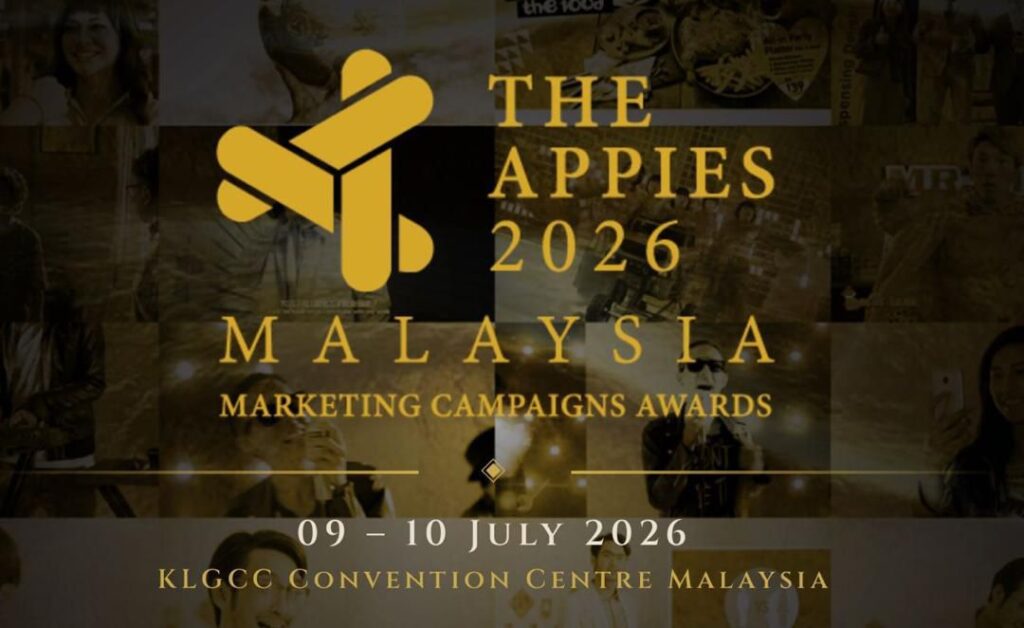
The APPIES is where Malaysia’s boldest campaigns, brightest ideas, and most impactful storytellers take the stage.
More than an awards show, it is the industry’s ultimate platform for creative, media, digital and marketing excellence, where live presentations meet live judging.
This is your chance to showcase work that moved audiences, shaped conversations, and delivered real results.
From breakthrough brand campaigns to innovative digital experiences, the APPIES celebrates the work that defines the future of marketing.
Step into the spotlight alongside the industry’s leading agencies, brands, creatives, strategists and changemakers.
Whether you are aiming for Gold, Silver, Bronze or the prestigious Best of the Best recognition, this is your moment to make history.
Your campaign deserves to be seen.
Your ideas deserve the stage.
Your work deserves the legacy.
KEY DATES
Haven’t subscribed to our Telegram channel yet? Don’t miss out on the hottest updates in marketing & advertising!