By India Fizer
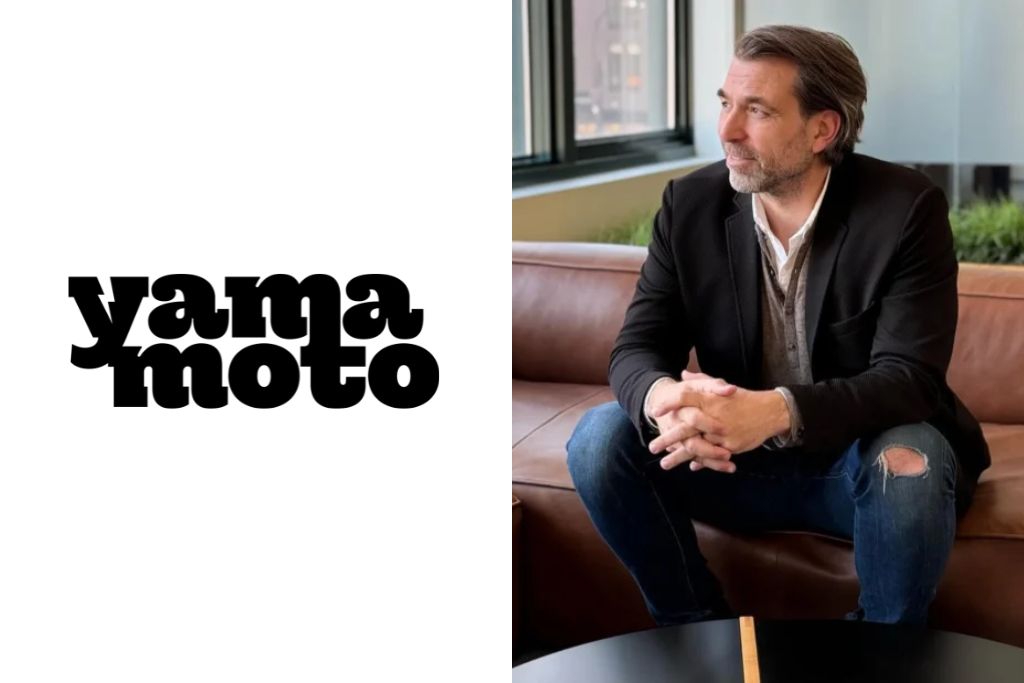
Yamamoto’s CCO argues that brands must earn their place in culture, not assume it.
In an era where every brand wants to “join the conversation,” Michael Stelmaszek, Chief Creative Officer at Yamamoto, thinks it’s time for a reality check.
In conversation with AdForum, he shares how Yamamoto helps brands find their rightful place in culture, the importance of adding value (“be a fountain, not a drain”), and why authentic storytelling often outperforms high-profile celebrity endorsements.
Brands are expected to play an active role in culture today — not just advertise but participate. How are you seeing clients respond to that shift, and what role does your agency play in helping them navigate it?
Oh boy. I don’t mean to start this off on an argumentative note, but while we have grown to expect that brands will participate in culture, I think it is a practice that is met with enormous skepticism. I think people tolerate it. If done well, with virtuous intent, I do think audiences applaud it.
But I don’t think anyone is sitting around waiting with bated breath to hear what we have to say. In fact, I believe there is great danger in it being seen as corporate opportunism. And that is the primary role I see us playing. Because of the double-edged sword, some clients are running to the opportunity, and some are reticent of the risks. Like in all things, our role is to identify the right moments and execute in the right way.
How do you evaluate whether a cultural trend or fandom is a smart branding opportunity?
Be a fountain, not a drain.
In the simplest of terms, this is the Yamamoto rubric when it comes to participating in cultural conversations. When there is a moment that is aligned with one of our clients, we ask if and how we might play a role where we are adding something of meaning to the culture. How we can be a positive energy that furthers it.
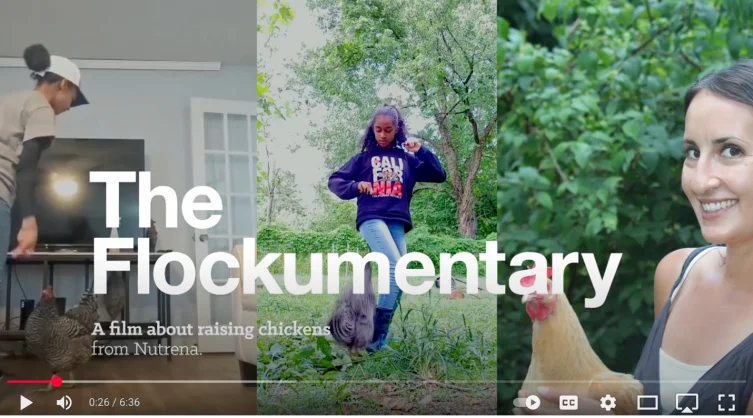
One of the cultures we are always monitoring is chicken owners. Cargill is a client, and they make feeds which makes the Poultry Parent community of major importance to us. Call them Beak Keepers, call them Chicken Tenders, when the practice of keeping chickens as pets was beginning to boom, we produced The Flockumentary, a film about raising chickens that celebrated the culture and thus helped perpetuate it. As the culture grows larger and more passionate, we have looked for ways to fuel that passion.
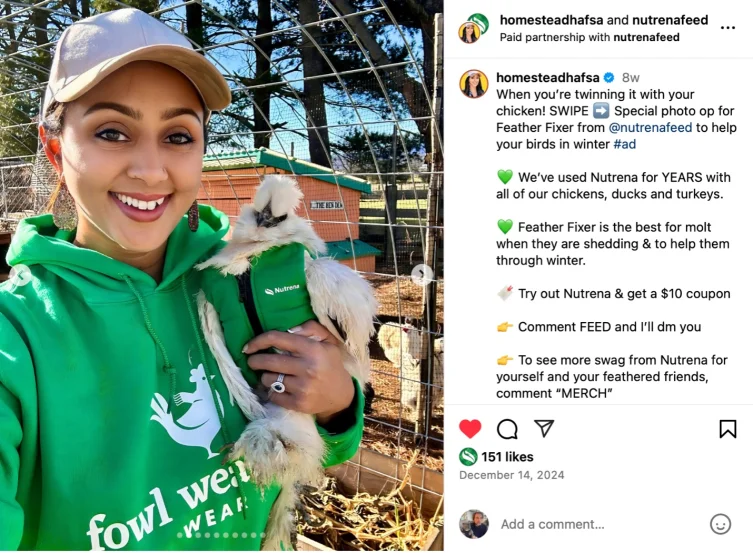
Recently, we helped Cargill produce a line of matching wearables for owners and their birds. While this Fowl Weather Wear was a way to highlight a specific sku for molting season, more importantly it was a vehicle for expressing love and care for these animals, and the shared values between Cargill and this community.
At its best, the work we do is not only additive, it creates culture. We just need to make sure we are fanning the flames and not only trying to heat ourselves from the fire.
What strategies do you employ to ensure a campaign doesn’t just capitalize on a moment, but creates lasting cultural relevance for the brand?
On a strategic level, I believe that when you have clearly defined brand beliefs and behaviors, they can be a pretty failsafe compass in this regard. I also believe the form in which this type of content is presented is also an imperative strategic choice. People know we have things to sell; a key to earning a welcomed place in the culture is participating in ways that aren’t explicitly transactional.
One of the ways we help brands engage in these opportunities is with our brand journalism practice. Our story studio develops richer content that aims at fostering a deeper connection with audiences.
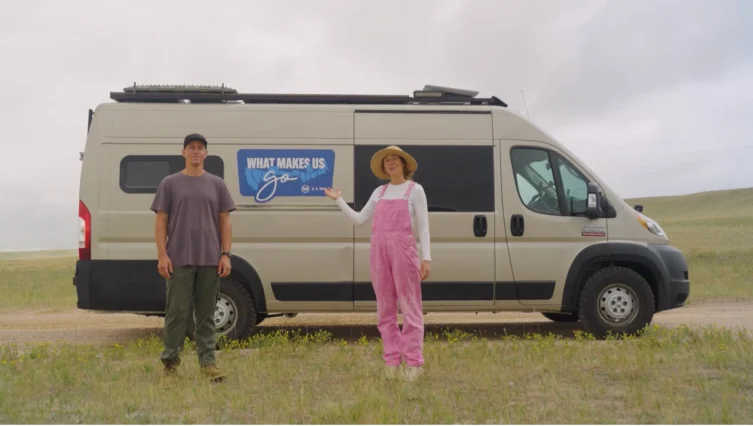
For example, we are just now completing a series for U.S. Steel that celebrates American car culture. It enlists van life influencers to retell and retrace the story of the first cross-country road trip. Because the episodes have been created to entertain, educate, and inform, rather than sell, because the series is a fountain to car culture rather than a drain, it earns credibility and banks affinity for when the brand needs to communicate in a more transactional way.
As consumer behavior evolves and digital spaces become more fragmented, how do you see the role of niche subcultures or micro-influencers shaping brand narratives compared to traditional celebrity endorsements?
At Yamamoto, we see this fragmentation as an opportunity. As monoculture moments become fewer and further between and the prices to participate grow increasingly prohibitive, the focus on subcultures are a savvy way to maximize both messaging impact and budget.
As long as the brand is staying true to its beliefs and behaviors and not trying to be all things to all people, the authentic intimate connections that can be made in these spaces can prove mighty, particularly for challengers.