By The Malketeer
By November, the ad world could look very different.
Omnicom’s US$13.5 billion acquisition of Interpublic Group (IPG) — now awaiting its final EU approvals — will crown the merged giant as the world’s largest marketing network.
Combined revenues north of US$20 billion will place it ahead of Publicis and WPP, cementing a new era of scale, integration, and data-driven creativity.
But beyond the financials, something deeper is at play.
This isn’t just two holding companies merging; it’s the industry’s clearest signal yet that creative dominance alone is no longer enough.
Survival — and growth — now demand integration across five pillars: data, media, creativity, production, and technology.
Why This Merger Matters
The Omnicom–IPG union feels less like consolidation and more like evolution.
Omnicom brings creative firepower and global media muscle; IPG adds precision through data and CRM mastery, thanks to Acxiom and Mediabrands.
Together, they form what John Wren, Omnicom’s Chairman and CEO, calls “a platform for accelerated growth.”
Translation: a machine where ideas meet insight at scale.
It’s a necessary move in a world where clients crave measurable outcomes, not just clever taglines.
Where procurement officers outnumber CMOs in budget meetings.
Where consultancies and tech giants — from Accenture Song to Meta — have muscled into marketing territory.
In this new terrain, holding companies must become something closer to marketing ecosystems than mere agency groups.
The Great Integration Test
Mergers of this size often stumble on culture, not spreadsheets.
The Omnicom-IPG marriage will test whether integration can enhance, rather than homogenise, creative output.
Early signs are promising: both groups continue winning new business — from American Express to OpenAI — even mid-merger.
That’s rare. It suggests clients believe the deal will create more capability, not confusion.
Still, the real challenge will lie in merging two creative cultures, dozens of agency brands, and thousands of employees without losing soul.
If Omnicom-IPG can pull it off, it won’t just redefine holding-company structure — it might reinvent how marketing itself is delivered.
The Shockwaves Ahead
For WPP and Publicis, the competitive recalibration starts now.
They’ll be forced to match Omnicom-IPG’s combined tech stack, media efficiency, and global reach.
Expect a new arms race in AI-enabled planning, data-driven creativity, and performance-based compensation models.
But paradoxically, smaller independents may benefit most.
As giants merge and standardise, niche shops with cultural fluency and agility can thrive.
They can move faster, speak locally, and offer the kind of authenticity big networks sometimes struggle to simulate.
Talent, however, faces a bittersweet future.
Yes, there’ll be bigger platforms, global mobility, and more investment in tech skills.
But redundancies are inevitable.
The merger may birth the world’s biggest marketing network — and simultaneously shrink its middle layer.
The Client Perspective
For clients, the pitch is seductive: one unified partner that can think globally, act locally, and measure everything.
Imagine campaigns where data flows seamlessly from CRM to creative to commerce — without the friction of cross-agency turf wars.
Yet, integration is easier on PowerPoint than in practice.
Clients will be watching for execution, not promises.
The value of this merger will be judged by one thing: whether it can make marketing simpler for those who pay the bills.
What This Signals for Malaysia and Asia
Southeast Asia’s agency scene often mirrors global tremors — but with local inflections.
For Malaysian marketers, this merger signals two shifts.
First, data-driven creativity will no longer be optional.
Regional offices of Omnicom and IPG agencies will soon share deeper analytics, consumer insight, and AI-based planning tools.
That could redefine how local campaigns are conceived and measured.
Second, regional talent will be in higher demand — not just for execution, but for interpretation.
As global systems centralise, local nuance becomes gold.
Those who can translate data into cultural resonance will lead the next creative vanguard.
Beyond the Merger: A Model in Transition
Let’s be clear: the holding-company model isn’t dying — it’s moulting.
The Omnicom-IPG deal is proof that consolidation, when done right, can be renewal.
It’s a pivot from “bigger is better” to “integrated is essential.”
The new entity won’t merely sell ads; it’ll design ecosystems.
It will weave creativity into commerce, data into storytelling, and technology into brand purpose.
That’s not just a marketing model — it’s an industrial reset.
Takeaways for Brand Leaders
By November, a new giant will walk among us.
The Omnicom-IPG merger isn’t just a corporate transaction — it’s a symbolic moment for an industry standing at the crossroads of creativity and computation.
Whether this new entity becomes the world’s most powerful marketing machine or its most complex bureaucracy will depend on one thing: how well it remembers that, at the heart of every algorithm, every ad, and every acquisition — there’s still a human story waiting to be told.
Share Post:

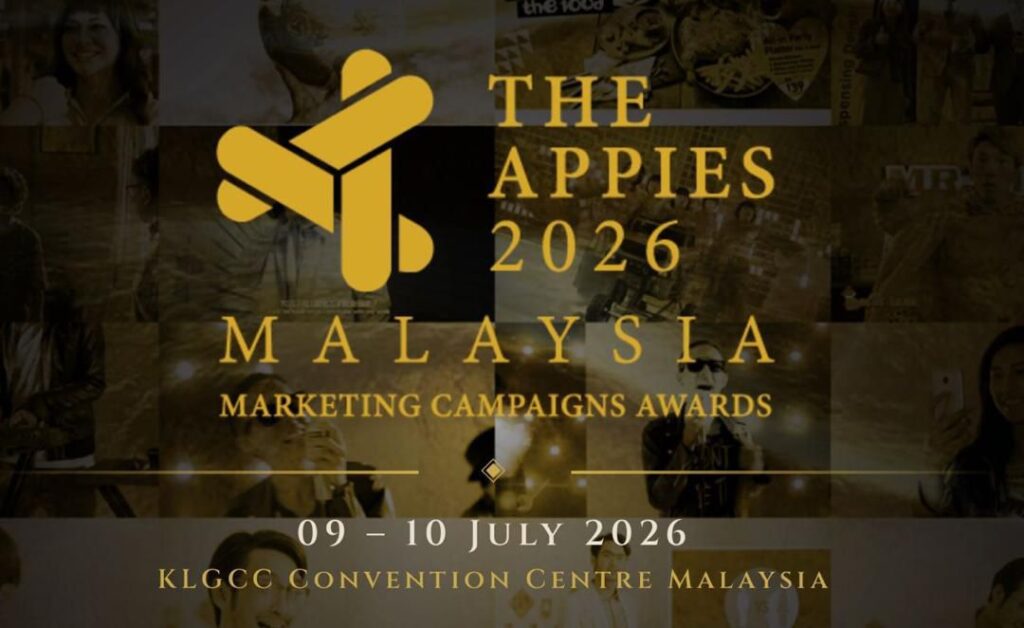
The APPIES is where Malaysia’s boldest campaigns, brightest ideas, and most impactful storytellers take the stage.
More than an awards show, it is the industry’s ultimate platform for creative, media, digital and marketing excellence, where live presentations meet live judging.
This is your chance to showcase work that moved audiences, shaped conversations, and delivered real results.
From breakthrough brand campaigns to innovative digital experiences, the APPIES celebrates the work that defines the future of marketing.
Step into the spotlight alongside the industry’s leading agencies, brands, creatives, strategists and changemakers.
Whether you are aiming for Gold, Silver, Bronze or the prestigious Best of the Best recognition, this is your moment to make history.
Your campaign deserves to be seen.
Your ideas deserve the stage.
Your work deserves the legacy.
KEY DATES
Haven’t subscribed to our Telegram channel yet? Don’t miss out on the hottest updates in marketing & advertising!