By The Malketeer
If you feel the world has become noisier but not wiser, you’re not imagining it.
We scroll faster, judge quicker, and copy trends before questioning them.
In marketing rooms once fuelled by curiosity, we now see more dashboards than debates and more instant opinions than original thinking.
Critical thinking isn’t dying; it’s being quietly traded away — for convenience, consensus, and campaign deadlines.
And the most troubling part is that many of us don’t notice it slipping.
When Speed Kills Thought
The modern marketer swims in a torrent of dashboards, sentiment charts, social listening reports and “insights decks” that look suspiciously similar across agencies.
We call it data-driven decision making.
Except too often it’s data-decorated conformity.
We skim. We slide-deck. We summarise culture into bullet points.
But ask yourself — when was the last time you sat with a problem without Googling it first?
The danger isn’t information overload; it’s meaning under-load.
We now treat thought like a luxury instead of our craft.
Even the most gifted young creatives are conditioned to think in formats: 15 seconds. Vertical frame. Hook in three seconds. Add trending audio. Done.
Efficient? Yes. Intelligent? Not always.
We’ve optimised creativity like a factory assembly line and wonder why everything feels familiar.
The Comfort of Consensus
Today’s brand meetings often echo the same safe sentiments:
“Consumers don’t have time.”
“Just follow the category norm.”
“Do what’s trending on TikTok.”
Group thinking has gone from a warning in psychology books to a KPI.
Dissent used to be a badge of courage. Now it’s a risk to career progression and client comfort.
In Malaysia, we have a polite culture.
We don’t like ruffling feathers. Campaigns become agreeable, not memorable.
Consensus isn’t always wrong. But unchallenged consensus is how mediocrity becomes norm.
Like the great thinker, Jiddu Krishnamurti warned, freedom begins the moment we question our conditioning.
The most subtle conditioning today sadly is blind optimism in algorithms and audience dashboards.
The Rise of Algorithmic Obedience
There was a time when planners debated philosophy, anthropology, Jungian archetypes, and semiotics.
When creatives referenced Neruda, Rumi, Yasmin Ahmad, and P. Ramlee — not just AI mood boards.
Now brand strategy increasingly feels like this:
Real insight rarely comes from tools — it comes from being human first.
A few Malaysian brands still get this.
They remind us — algorithms can amplify creativity, not replace thinking.
The most powerful weapon a marketer has remains a thinking mind, not a trending template.
The Quiet Crisis in Creative Culture
We’ve trained a generation to believe:
The outcome is obvious.
More content. Less conviction.
More communication. Less connection.
We don’t lack intelligence. We lack intellectual stamina.
Critical thinking is uncomfortable.
It demands sitting with ambiguity, resisting the first answer, questioning ego and questioning crowds.
That discomfort is where real creativity hides.
Brand Building Requires Depth, Not Dopamine
The best brands don’t chase culture — they shape it.
Malaysian marketers often fear going first.
But the future belongs to courageous thought, not borrowed trends.
Data is our compass. Creativity is our sail. Critical thinking is the wind.
Remove the third and you drift — efficiently, politely — toward sameness.
The Rebellion: Slowness, Curiosity, Courage
Maybe the most radical act for a marketer today is to slow down.
To read — deeply.
To listen — without preparing your reply.
To say the uncomfortable thing in the room.
To hold space for nuance in a world obsessed with quick takes.
To question a brief instead of beautifying it.
In a local agency recently, a junior strategist whispered to me after a meeting, “We don’t challenge briefs here. It’s safer to just execute.”
That sentence summarises how thinking dies — quietly, respectfully, with full PowerPoint alignment.
We don’t lose thinking through stupidity; we lose it through blind obedience.
A Call Back to Thought
Marketers are not just storytellers.
We are the architects of cultural memory, public values, and everyday human imagination.
That requires more than tactics.
It requires thinking as a discipline.
A few starting questions for the next brainstorm:
That last one is the most important.
Because shallow thinking doesn’t serve consumers.
It doesn’t serve brands.
It serves platforms, clicks, convenience — and complacency.
Malaysia’s creative industry has brilliance in its bones.
We grew up with storytellers, poets, philosophers, aunties with wisdom, uncles with satire, and spirit in our soil.
To honour that heritage, we must think again.
Not louder. Not faster. Deeper.
The world doesn’t need more content. It needs more consciousness behind content.
Perhaps the greatest campaign we can create now is not just for brands —
but for the revival of critical minds.
Not because it is profitable. But because it is necessary.
Share Post:
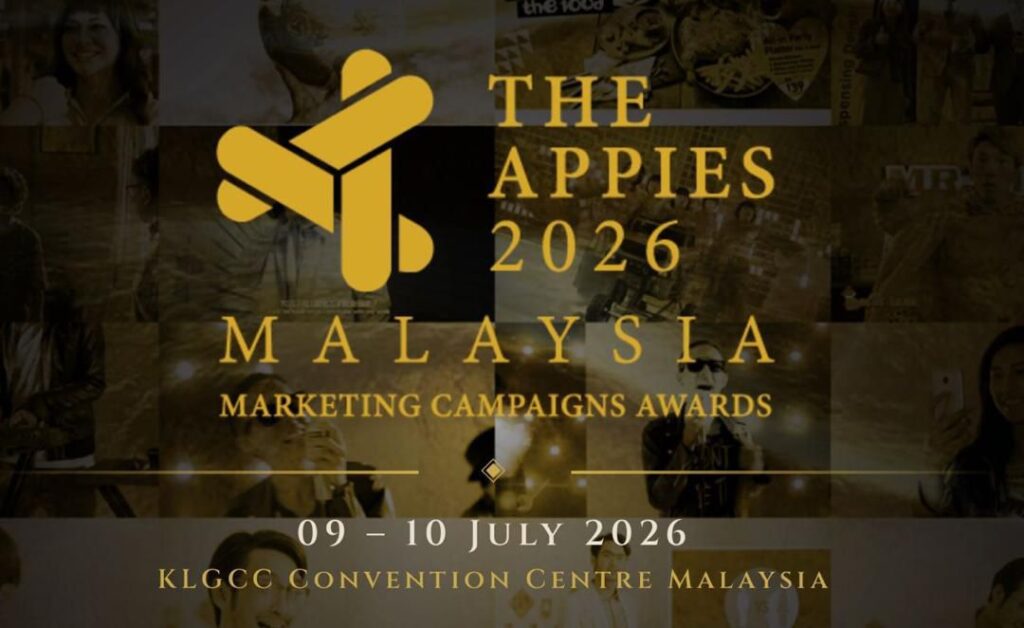
The APPIES is where Malaysia’s boldest campaigns, brightest ideas, and most impactful storytellers take the stage.
More than an awards show, it is the industry’s ultimate platform for creative, media, digital and marketing excellence, where live presentations meet live judging.
This is your chance to showcase work that moved audiences, shaped conversations, and delivered real results.
From breakthrough brand campaigns to innovative digital experiences, the APPIES celebrates the work that defines the future of marketing.
Step into the spotlight alongside the industry’s leading agencies, brands, creatives, strategists and changemakers.
Whether you are aiming for Gold, Silver, Bronze or the prestigious Best of the Best recognition, this is your moment to make history.
Your campaign deserves to be seen.
Your ideas deserve the stage.
Your work deserves the legacy.
KEY DATES
Haven’t subscribed to our Telegram channel yet? Don’t miss out on the hottest updates in marketing & advertising!