By The Malketeer
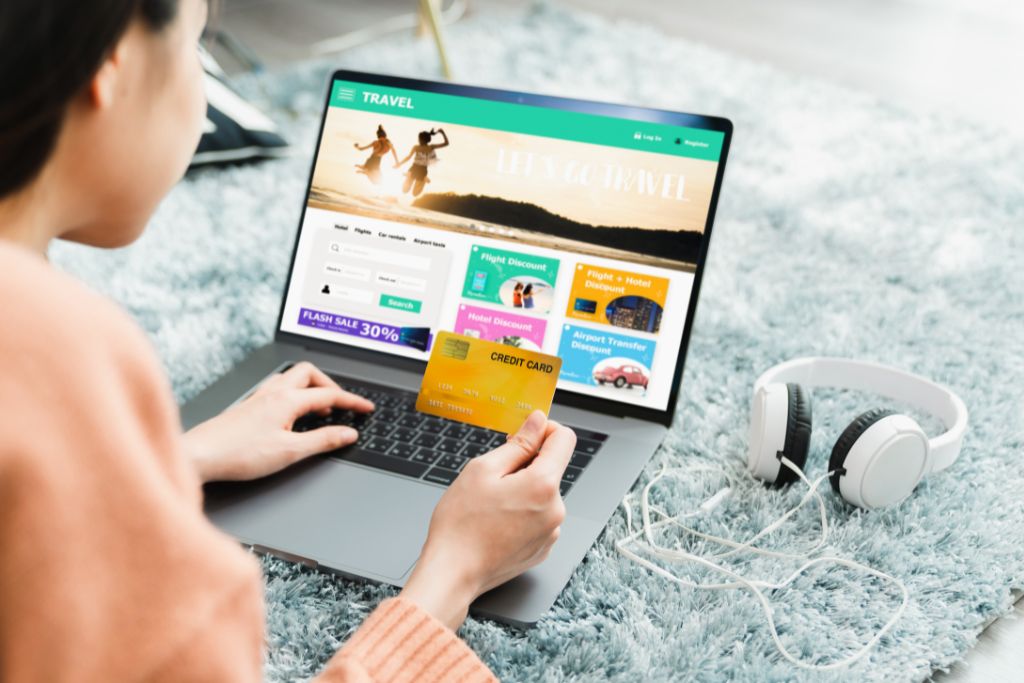
If Malaysian consumers were once cautious explorers in the digital marketplace, today they are fearless voyagers.
A new study by Airwallex, in partnership with Statista, reveals that Malaysia’s online shoppers are not just comfortable with cross-border eCommerce, they thrive on it.
At 94%, Malaysian consumers top the global chart in confidence when buying from international merchants, eclipsing the global average of 89%.
More than seven in ten Malaysians shop across borders at least once a month, compared to just over half of global consumers.
Platforms like Shopee, Lazada, and Taobao remain their familiar ports of call, but the rise of social commerce and influencer-driven discovery is reshaping the journey.
The Power of Influence and Festivity
Perhaps nowhere else is the sway of influencers so pronounced.
Interestingly, 76% of Malaysians admit that recommendations from personalities on TikTok, Instagram, or YouTube guide their purchases—well above the global average of 53%.
In a society where word-of-mouth has always carried weight, digital influencers are now the trusted storytellers of cross-border shopping.
Equally telling is Malaysia’s festival-driven spending rhythm.
The study reveals that 93% of shoppers time their purchases with major occasions like Hari Raya, Lunar New Year, and Black Friday sales, compared to just 69% globally.
For marketers, it means campaign calendars must align not only with global sales cycles but also with deeply cultural buying moments.
Digital Wallets Define the Checkout
The real revolution, however, lies in how Malaysians want to pay.
Eight in ten prefer digital wallets such as Touch ‘n Go eWallet, Apple Pay, or Google Pay when shopping internationally.
By contrast, credit cards long considered the gold standard of cross-border payments rank a distant fifth at just 36%.
For brands, offering digital wallets, Buy Now Pay Later (BNPL), and transparent localised pricing is no longer a nice-to-have but the entry ticket to Malaysia’s eCommerce market.
Shoppers here are unforgiving when checkout feels clunky.
Over 90% expect seamless mobile-optimised pages, one-click purchases, and visible trust signals, while 98% say that being able to use their preferred payment method is critical.
The Borderless Appetite
The appetite is wide-ranging, with fashion, electronics, and beauty products leading Malaysia’s cross-border carts.
Neighbouring countries like China, South Korea, Japan, and across Southeast Asia remain the dominant sources of goods.
Yet beneath the excitement, Malaysian consumers echo global worries—payment security, hidden fees, and unpredictable shipping costs remain deal-breakers.
In short, Malaysians are adventurous, but not reckless.
They will explore the world, but demand transparency every step of the way.
Lessons for Global Brands and Local SMEs
For Malaysian SMEs, the opportunity is two-fold.
Firstly, to mirror the frictionless experience global shoppers expect when buying from abroad.
Secondly, to harness Malaysia’s role as a regional eCommerce hub, exporting local products to the world.
“Today’s online shoppers, especially those in Malaysia, are digitally savvy and globally minded. They expect seamless experiences across every touchpoint, from discovery to check out,” notes Aren Yip, Country Manager of Airwallex Malaysia.
The reminder is blunt: localisation is no longer optional—it’s survival.
Airwallex itself has processed close to RM2 billion in Malaysia’s remittance volume by July 2025, with triple-digit year-on-year growth.
Its expansion into Southeast Asia and recognition as Banking Tech of the Year shows that payments infrastructure is fast becoming the silent engine powering this borderless ambition.
Why It Matters
The Malaysian shopper has become a case study in digital maturity.
They demand global access but expect local understanding.
They are swayed by influencers yet sceptical of hidden costs.
They live by festive shopping cycles but embrace futuristic payment methods.
For marketers and merchants, the message is simple: the Malaysian eCommerce consumer is no longer just part of the global average—they are setting the pace.
Those who fail to keep up risk being left behind in a market where the borderless consumer has already moved on.
Share Post:

Haven’t subscribed to our Telegram channel yet? Don’t miss out on the hottest updates in marketing & advertising!