By The Malketeer
Authenticity, affiliate links, and TikTok Shops are reshaping brand-creator partnerships across Southeast Asia.
According to a newly released joint study by impact.com and Cube, affiliate marketing has emerged as the driving force behind Southeast Asia’s next wave of influencer-led e-commerce.
And if you’re a brand, creator, or agency operating in this space, it’s time to take notes.
Titled “E-commerce Influencer Marketing in Southeast Asia 2025”, the third edition of this annual study draws insights from over 2,400 consumers, creators, and industry professionals across six key markets—Malaysia, Singapore, Indonesia, Thailand, Vietnam, and the Philippines.
What it reveals is a fast-maturing ecosystem where performance-driven partnerships and creator authenticity matter more than follower count or vanity metrics.
“As consumer behaviour in Southeast Asia continues to evolve, brands need to shift away from traditional influencer models and instead embrace long-term partnerships that drive genuine purchase behaviour,” says Adam Furness, Managing Director for APAC at impact.com.
“Performance-based marketing is now central to how brands scale sustainably in this region.”
From Clout to Commerce: The Affiliate Shift
While influencer marketing in SEA has typically leaned on reach and awareness, the game has changed.
Shoppable content is gaining serious traction—especially content that includes direct affiliate links.
In fact, 83% of consumers surveyed have made purchases through affiliate links, with beauty and fashion emerging as top-performing categories.
It’s no surprise, then, that affiliate-led influencer marketing isn’t just a tactic—it’s becoming a foundational growth strategy.
Brands now see influencers not only as storytellers but also as active sales enablers.
On the platforms front, TikTok Shop, Shopee, and Lazada are dominating the discovery-to-purchase funnel, offering creators commissions between 4% to 13%.
Beauty continues to be the sweet spot, thanks to generous rates and content that lends itself well to reviews and tutorials.
Meet the Key Opinion Seller (KOS)
A new class of creators is also rising—the Key Opinion Seller (KOS).
Think of them as a hybrid between influencer and affiliate seller, combining charisma with conversion-focused content.
The report points out that in Thailand alone, 9 out of 10 top TikTok creators now fall under this category.
For brands, the KOS represents the perfect storm of reach, trust, and sales-driven influence.
Unlike traditional influencers who focus on aspirational content, KOS creators thrive on relatability, frequent product demos, and real-time interaction with followers.
This trend is also noticeable in Malaysia, where social commerce is booming.
With platforms making it easier to track conversions, more local brands are starting to see affiliate partnerships as not only measurable but also cost-efficient.
Trust is the New Currency
Another key insight from the study: audiences are getting sceptical of big-name influencers.
Trust in mega influencers (those with over a million followers) is slipping, with a 7% year-on-year drop in perceived influence on purchase decisions.
Only 59% of consumers say they trust mega influencers today.
Micro and nano influencers—often seen as more authentic and relatable—are holding steady.
These creators have smaller but more engaged audiences, and their recommendations feel more personal and less transactional.
It’s no wonder that more brands are now cultivating deeper, long-term relationships with this tier of creators, aligning their messages with genuine voices that audiences actually trust.
Learning and Entertainment: The New Engagement Formula
The study also reveals a shift in why consumers engage with influencer content.
While entertainment still tops the list (77%), learning has emerged as a close second (64%).
In other words, today’s influencer needs to inform and entertain.
From skincare tutorials to tech reviews, creators who can educate while selling are likely to outperform peers focused solely on lifestyle glamour.
This calls for a smarter content strategy.
One that goes beyond branded talking points to deliver value—whether in the form of a how-to, a comparison, or a solution to a problem.
Actionable Takeaways for Brands
So, what does this all mean for marketers?
As the influencer space in Southeast Asia continues to evolve, one thing is clear: the era of passive promotion is over.
Consumers want realness, utility, and value—and creators who deliver that are poised to win big.
With affiliate marketing now firmly in the spotlight, Southeast Asia’s digital commerce playbook is being rewritten.
The future belongs to brands and creators who treat influence not as a megaphone—but as a meaningful, measurable partnership.
To read the full 2025 report by impact.com and Cube, titled “E-commerce Influencer Marketing in Southeast Asia,” visit impact.com.
Share Post:


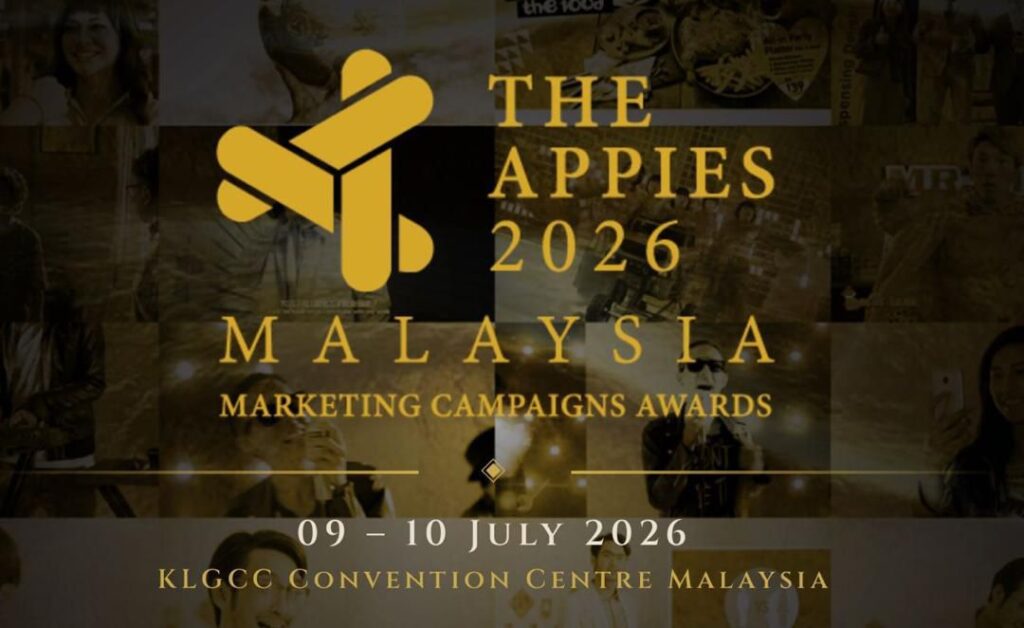
The APPIES is where Malaysia’s boldest campaigns, brightest ideas, and most impactful storytellers take the stage.
More than an awards show, it is the industry’s ultimate platform for creative, media, digital and marketing excellence, where live presentations meet live judging.
This is your chance to showcase work that moved audiences, shaped conversations, and delivered real results.
From breakthrough brand campaigns to innovative digital experiences, the APPIES celebrates the work that defines the future of marketing.
Step into the spotlight alongside the industry’s leading agencies, brands, creatives, strategists and changemakers.
Whether you are aiming for Gold, Silver, Bronze or the prestigious Best of the Best recognition, this is your moment to make history.
Your campaign deserves to be seen.
Your ideas deserve the stage.
Your work deserves the legacy.
KEY DATES
Haven’t subscribed to our Telegram channel yet? Don’t miss out on the hottest updates in marketing & advertising!