By India Fizer
Ross Taylor unpacks the agency’s participation-driven creative model.
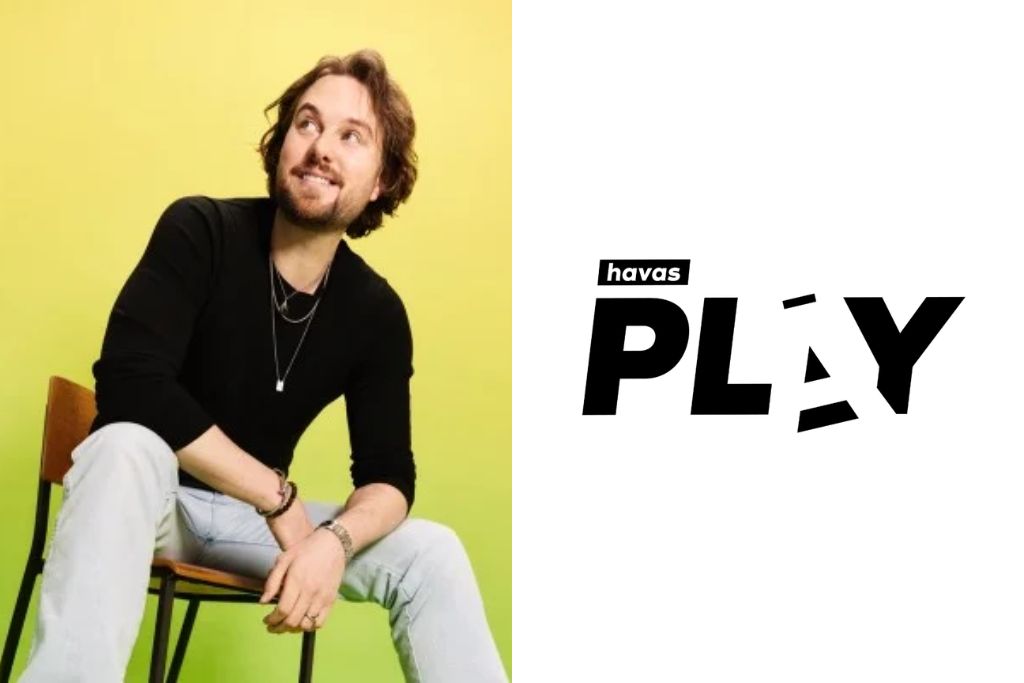
Culture moves fast and today’s most successful brands move with it. Ross Taylor, Group ECD at Havas Play UK, explains how his team helps clients navigate cultural trends, unlock meaningful partnerships, and balance quick-hit activations with initiatives that create lasting cultural value.
Brands are expected to play an active role in culture today — not just advertise but participate. How are you seeing clients respond to that shift, and what role does your agency play in helping them navigate it?
There’s a growing recognition that advertising alone won’t future-proof a brand, and by extension, it won’t future-proof an agency either. The brands that are thriving are those that don’t just show up in culture, they contribute to it and facilitate it.
For many agencies, that’s a relatively new realization. But at Havas Play, it’s the foundation we were built on. Our model was designed around participation, bringing together expertise in partnerships, sponsorships, social, talent and experiential to help brands play meaningfully in culture across our core verticals, sport, gaming and entertainment.
You can see it in the diversity of our work:
EE Game Day turned the UK into the world’s largest arcade, transforming a telecom brand into a cultural brand.
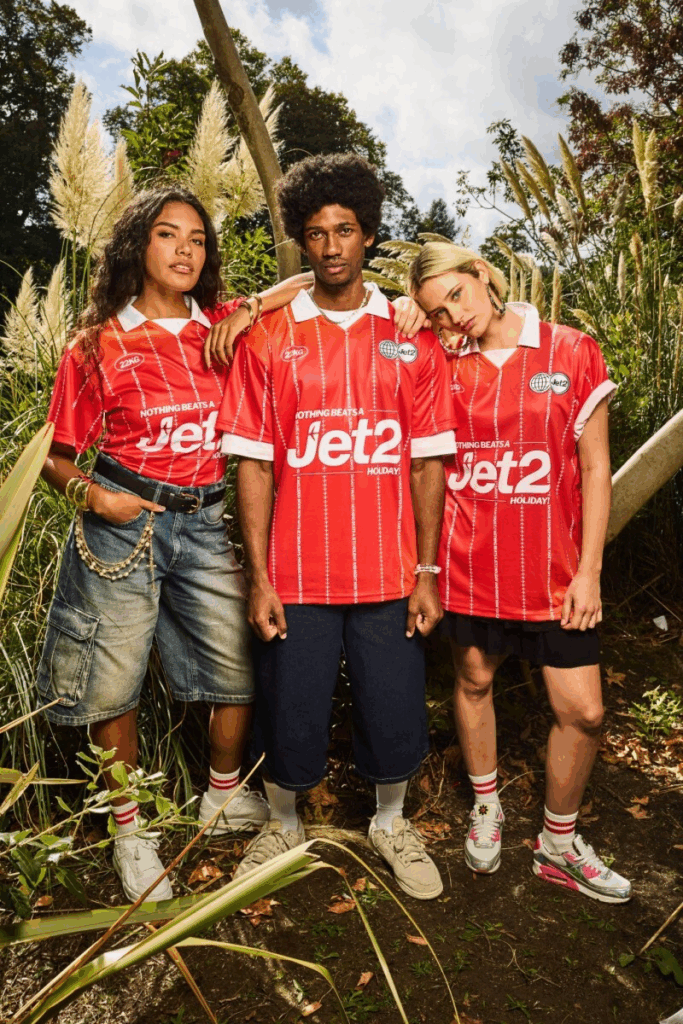
Jet2’s Hype Shirt crashed fashion week and turned a meme into a must-have collector’s item.
EE Set the Stage, with BAFTA, gave young filmmakers real industry access showing that cultural participation can create genuine social mobility.
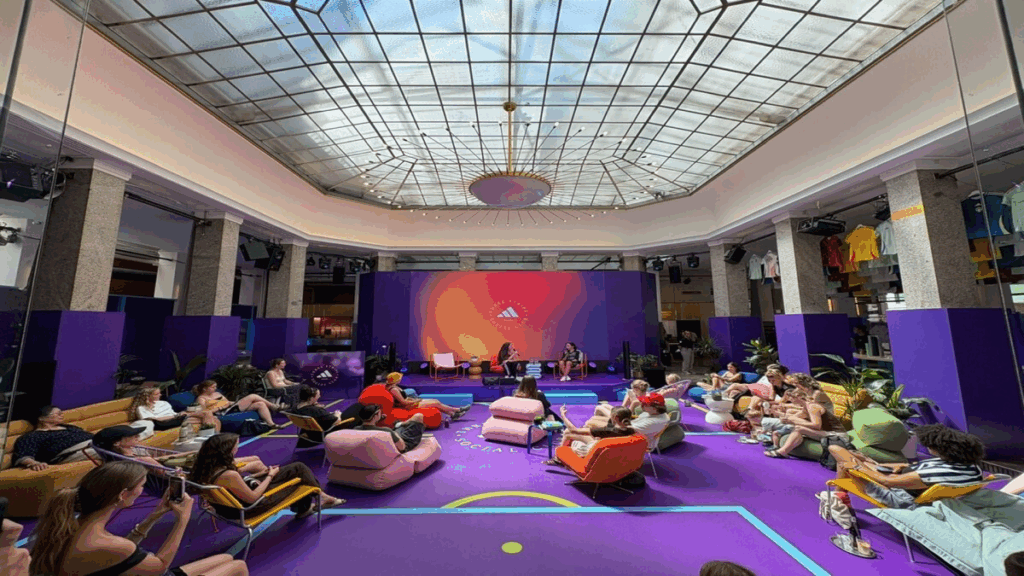
And with Adidas, whether it’s the Women’s Germany away Kit Launch embedded in Berlin’s art scene or the Three Stripe Social Club in Zurich, we’ve shown that a brand can live inside youth culture not outside it.
Our role is to make those intersections feel natural, credible, and creatively alive in a way that resonates with the right audiences or subcultures.
How do you evaluate whether a cultural trend or fandom is a smart branding opportunity?
Almost any cultural moment can be a smart opportunity, the real question is should this brand be there, and is now the right time? The two filters we always use are value alignment and timing.
If a brand’s truth doesn’t align with the truth of the moment, participation feels forced. But if those values overlap and you move at the right speed, that’s where real cultural impact happens.
Take Jet2’s Hype Shirt. The idea began as a meme, a viral sound that caught fire on TikTok, but within a week, we had designed, produced, and shot a full campaign, complete with press and influencer seeding, timed perfectly to coincide with London Fashion Week. That speed was crucial. If we’d waited, the cultural moment would’ve passed. Instead, Jet2 became part of the conversation in a culturally relevant way.
But timing alone isn’t enough, it has to mean something. That’s why when we work with brands like EE, we make sure our cultural plays are rooted in the brand’s long-term purpose. EE Set the Stage, for example, wasn’t about reacting to film awards season, it was about helping young people access careers in film, an idea that aligns perfectly with EE’s platform around opportunity and connection.
So for us, the sweet spot sits where brand truth, cultural truth, and timeliness intersect. That’s when participation becomes powerful and not performative.
What strategies do you employ to ensure a campaign doesn’t just capitalize on a moment, but creates lasting cultural relevance for the brand?
Not every activation has to build lasting cultural relevance for a brand, sometimes a brand just needs to be part of a cultural flashpoint, so it’s ok to capitalize on a moment if it’s going to serve you. The trick is knowing when to move fast and when to go deep.
Jet2’s Hype Shirt was a reactive, culture-hijacking moment that turned a viral sound into something tangible and fashionable, a perfect example of agile creativity. In contrast, EE Game Day has evolved into an annual, franchise-style platform, deepening EE’s long-term equity in gaming culture.
And then there are projects like EE Set the Stage, which build brand meaning through opportunity creation, proving that participation in culture can have a social as well as commercial impact.
Similarly, EE Squad Socials during the Women’s Euros didn’t just jump on the tournament hype, it built an ongoing relationship between girls, football, and self-expression, turning sponsorship into community.
So for us, the strategy isn’t about avoiding the short-term, it’s about designing every cultural act, however fleeting, to ladder up to a broader story of what the brand stands for and has to say.
As consumer behavior evolves and digital spaces become more fragmented, how do you see the role of niche subcultures or micro-influencers shaping brand narratives compared to traditional celebrity endorsements?
Celebrities still have incredible reach and power, but they tend to operate at the awareness layer. What’s changing is how brands are supplementing that fame with depth and authenticity from smaller voices within niche communities.
We see this constantly in our work: the Magic x Spider-Man pop-up wasn’t driven by blockbuster advertising but by community creators and fans who amplified it organically; Adidas’ Three Stripe Social Club became a viral hit because TikTokers queued round the block for 6 hours, not because of the paid influencers.
These micro-cultural touchpoints are where real trust is built. They reflect how people actually experience culture today, through niche passion groups, sub-reddits, Discord servers, and creator ecosystems.
The smart brands use both: the fame of a major partnership and the credibility of grassroots creators. It’s not an either/or, it’s a both/and strategy that mirrors how modern culture works – messy, multifaceted, and gloriously nuanced.