When a brand the size of Grab recalibrates its agency roster, the industry usually reads it as housekeeping — a little spring-cleaning before the new year.
But the latest appointments of Rantau+ for PR and Publicis Groupe Malaysia for media suggest something more strategic: Grab is quietly reshaping how it wants to show up in Malaysia in 2026.
This isn’t simply a change of vendors. It’s a shift in voice, visibility, and velocity.
Why the Rantau+ Win Matters More Than It Appears
Rantau+ steps into a remit formerly held by Priority Communications, and the timing is notable. The appointment began in October — right as Grab was rolling out a wave of consumer-facing upgrades: food discovery improvements, payments expansion, and the all-new Book Table feature.
If you follow Grab’s communication patterns, you’ll notice something: the brand is evolving from transactional updates (“We’ve added X feature”) to narrative-led storytelling centred on ecosystem living.
Rantau+ is known for culturally grounded PR — the kind that reads Malaysia not as a demographic, but as a living organism with textures, moods, and “teh tarik energy”. That local sensitivity is exactly what Grab needs as it moves deeper into lifestyle territory. PR for a brand of this scale isn’t about press releases; it’s about public behaviour design.
If Grab wants to influence how Malaysians book meals, discover places, and interact with loyalty rewards, the story must feel Malaysian first, technology second. Rantau+ understands that grammar intuitively.
The Publicis Mandate: Media, but Also Momentum
On the media side, Publicis Groupe Malaysia now takes the wheel, succeeding Accenture Song — an agency that had previously delivered standout visibility such as the KLIA arrival takeovers, MRT scavenger hunts and the 47th ASEAN Summit placements.
Publicis inherits some big shoes. But it also inherits an opportunity.
Grab’s media today is no longer about building brand lift; it’s about orchestrating user intent across a crowded super-app.
Search, ride, pay, eat, book, earn.
The puzzle isn’t “Where do we place ads?”
It’s “Where is the next trigger moment for a Malaysian who already uses Grab 4–5 times a week?”
Publicis’ advantage lies in its integrated model — data from commerce, media, and consumer journeys sit in one ecosystem. That gives Grab the opportunity to stitch campaigns that feel less like advertising and more like habit reinforcement.
Expect more hyper-contextual placements, more ride-journey nudges, and perhaps the next evolution of OOH-meets-mobile that rewards behaviour instead of merely broadcasting brand stories.
The Other Story Beneath the Appointments: Grab’s Dining Ambitions
The agency news dropped at the same time Grab Malaysia quietly pushed the most underrated update since GrabPay became mainstream: Book Table.
Most brands talk about “closing the loop”. Grab has actually done it — discovery → reservation → dine-in perks → coins → return intent.
For merchants, it’s a customer-acquisition pipeline disguised as convenience.
For marketers, it’s a signal that Grab intends to own not just your commute, but your
This is where the agency shifts evening plans become important.
PR will need to frame this as a lifestyle upgrade, not another app feature.
Media will need to seed intent at the precise moment Malaysians think: “Where should we makan tonight?”
If Grab executes this well, Book Table could become the dining equivalent of ordering GrabFood during MCO — behaviour today, habit tomorrow.
GrabCoins: The Currency of Everyday Malaysia
Grab’s rebrand of GrabRewards into GrabCoins is more than a cosmetic rename.
It points to a broader ambition: building a regional micro-economy of everyday choices.
Earn coins from eating, paying, riding, reserving or even buying groceries? That’s a loyalty ecosystem that feels more akin to an operating system than a programme.
For agency partners, this is gold. It’s a playground for cross-functional ideas:
Grab isn’t just strengthening loyalty; it’s incentivising lifestyle.
What the Moves Tell Us About 2026
If you zoom out, Grab Malaysia’s dual appointments and ecosystem upgrades point to a simple thesis:
The super-app era is over. The lifestyle-engine era has begun.
Malaysia is one of Grab’s most competitive and culturally dynamic markets. And when a brand refreshes both its storytellers and its media architects at the same time, it’s usually preparing to:
With Rantau+ shaping the narrative and Publicis managing the demand engine, Grab looks poised to enter 2026 not as a convenience app but as a daily-life conductor.
And if the Book Table and GrabCoins shifts are any indication, this orchestra is only warming up.
Share Post:

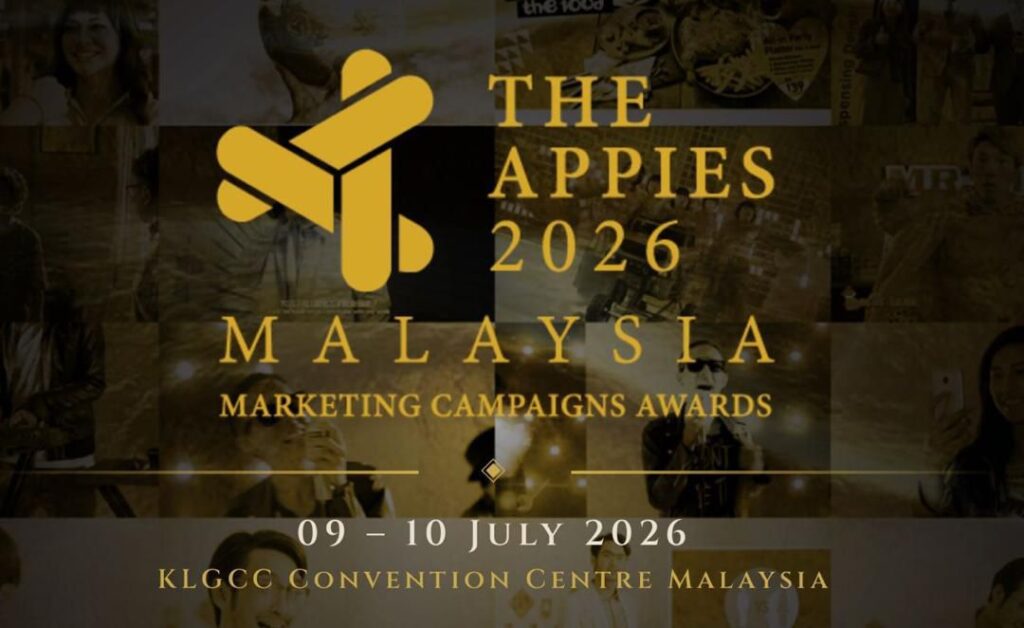
The APPIES is where Malaysia’s boldest campaigns, brightest ideas, and most impactful storytellers take the stage.
More than an awards show, it is the industry’s ultimate platform for creative, media, digital and marketing excellence, where live presentations meet live judging.
This is your chance to showcase work that moved audiences, shaped conversations, and delivered real results.
From breakthrough brand campaigns to innovative digital experiences, the APPIES celebrates the work that defines the future of marketing.
Step into the spotlight alongside the industry’s leading agencies, brands, creatives, strategists and changemakers.
Whether you are aiming for Gold, Silver, Bronze or the prestigious Best of the Best recognition, this is your moment to make history.
Your campaign deserves to be seen.
Your ideas deserve the stage.
Your work deserves the legacy.
KEY DATES
Haven’t subscribed to our Telegram channel yet? Don’t miss out on the hottest updates in marketing & advertising!