A five-minute brand film intended to challenge toxic masculinity has instead become the latest cautionary tale of how good intentions can unravel when storytelling loses its audience.
For a company whose very identity is built around hygiene, protection and trust, the biggest mess Dettol has had to clean up this week was not bacteria. It was its own advertising.
The British hygiene brand has apologised after a campaign in China designed to challenge sexist attitudes ignited a fierce backlash online, forcing the company to withdraw the advertisement and review its content approval process.
What was meant to be a social commentary quickly became a branding crisis.
The episode is another reminder that in today’s hyper-connected digital world, audiences often judge not by what brands intended to say, but by what they actually heard.
A Plot Twist That Came Too Late
The five-minute advertisement, produced in the style of China’s hugely popular micro dramas, opens with a male protagonist searching for a woman who is “clean” and “untainted by other men” — language deeply rooted in outdated notions of female purity.
Only much later does the story reveal its intended twist.
The woman eventually confronts him over his misogynistic beliefs, ends their relationship, and the advertisement concludes by comparing “toxic men” to harmful bacteria that need to be eliminated, positioning Dettol’s disinfectant as the metaphorical solution.
The creative team was attempting to subvert sexist stereotypes. Instead, many viewers never made it to the moral of the story.
Clips circulating independently across Chinese social media stripped away the final message, leaving many users believing the advertisement itself was reinforcing the very stereotypes it claimed to criticise.
Intentions Don’t Protect Brands
Dettol admitted the campaign had failed.
In a public apology, the company acknowledged that the advertisement had offended many people, particularly women, and accepted responsibility for shortcomings in both its creative development and internal review process.
It also pledged to strengthen its content moderation procedures while reaffirming that protecting people’s dignity is as important as protecting their health.
But by then, the damage had already spread. Social media platforms such as Weibo were flooded with criticism.
Some users accused the brand of objectifying women. Others questioned how such a campaign could ever have been approved by senior management. Many called for consumers to switch to competing household brands instead.
The backlash illustrates an uncomfortable truth confronting marketers everywhere.
A campaign built around social values cannot rely on audiences patiently waiting until the final scene before understanding its purpose.
The Danger of Slow-Burn Storytelling
China’s booming micro-drama format has become one of advertising’s newest playgrounds.
These short-form serial narratives attract hundreds of millions of viewers who increasingly consume content through clipped highlights, reposts and algorithm-driven recommendations.
That consumption behaviour creates a significant creative risk.
If the first few moments communicate the wrong message, many viewers will never stay long enough to discover the intended resolution.
Brands no longer control the sequence in which audiences experience a story.
Consumers often encounter isolated screenshots, short video clips or user commentary before seeing the original advertisement.
Context becomes fragmented. Meaning changes. And reputations can suffer almost instantly.
A Familiar Problem
Ironically, this is not Dettol’s first advertising controversy in China.
Last year, the company also faced criticism after an advertisement included the line that a bride had been “returned” before her wedding because she was “not clean” — another campaign that was widely condemned for its insensitive messaging surrounding women.
Two controversies in consecutive years suggest a deeper challenge than a single creative misjudgment.
They raise questions about cultural sensitivity, local creative oversight and whether brands are adequately stress-testing campaigns before they reach increasingly vocal online audiences.
Creativity Needs More Than Courage
Modern consumers increasingly expect brands to engage with important social issues.
Silence is no longer always an option. Yet campaigns addressing gender, identity or discrimination demand exceptional discipline.
Shock can generate attention. Provocation can spark conversation. But if audiences misunderstand the opening act, they may never stay for the ending.
For marketers, the Dettol episode reinforces an increasingly important lesson. The strongest campaigns are not simply built on bold ideas. They are built on clarity.
Because in today’s social media ecosystem, consumers don’t always experience the full story. Sometimes they only remember the first impression. And for brands, that may be the only chance they get.
Share Post:


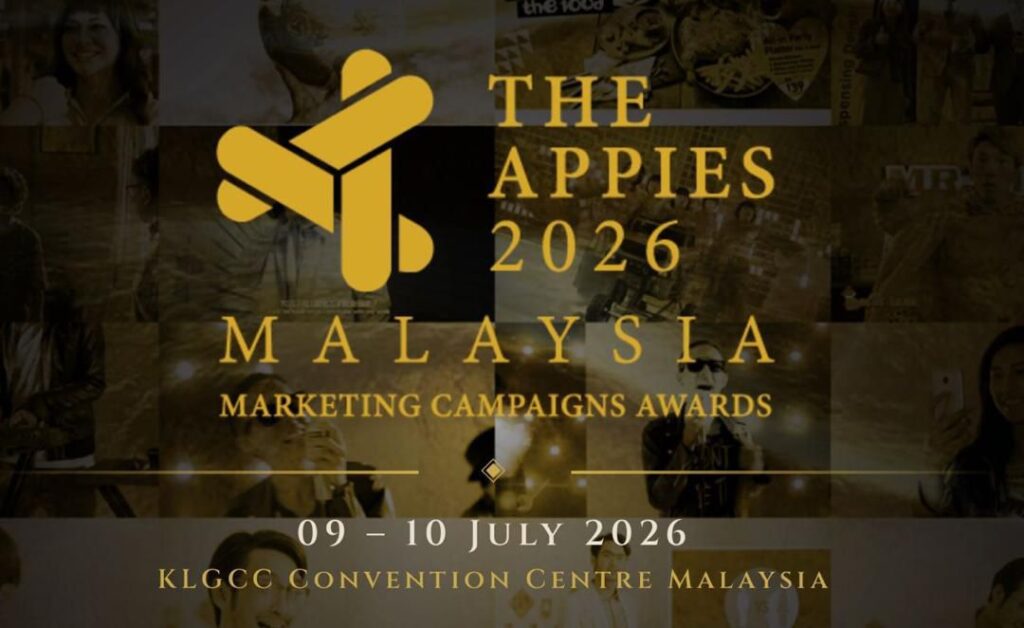
The APPIES is where Malaysia’s boldest campaigns, brightest ideas, and most impactful storytellers take the stage.
More than an awards show, it is the industry’s ultimate platform for creative, media, digital and marketing excellence, where live presentations meet live judging.
This is your chance to showcase work that moved audiences, shaped conversations, and delivered real results.
From breakthrough brand campaigns to innovative digital experiences, the APPIES celebrates the work that defines the future of marketing.
Step into the spotlight alongside the industry’s leading agencies, brands, creatives, strategists and changemakers.
Whether you are aiming for Gold, Silver, Bronze or the prestigious Best of the Best recognition, this is your moment to make history.
Your campaign deserves to be seen.
Your ideas deserve the stage.
Your work deserves the legacy.
KEY DATES
Haven’t subscribed to our Telegram channel yet? Don’t miss out on the hottest updates in marketing & advertising!