Marketers spend an awful lot of time worrying about Gen Z.
They debate slang on TikTok, obsess over social commerce habits, and commission endless decks about what younger consumers supposedly want next.
But according to the newly released Ipsos Generations Report 2026, many brands may be staring in the wrong direction entirely.
The bigger disruption quietly approaching is demographic, not digital. And it comes with an unsettling question:
What happens when there are simply fewer consumers to sell to?
Ipsos calls it “The Consumer Extinction” — an intentionally provocative phrase describing the long-term collapse in fertility rates and the gradual shrinking of populations across much of the world.
Birth rates have fallen dramatically since the mid-1960s, and in several major economies, deaths now outnumber births. Population decline, says Ipsos, is no longer hypothetical. It is inevitable. The only uncertainty is speed.
For marketers raised on decades of growth assumptions, this lands somewhere between uncomfortable and existential.
The End of Infinite Audiences
For years, marketing logic was simple: more people, more consumers, more growth.
A younger population meant fresh demand, first-job spending, first homes, first cars, first insurance policies, first streaming subscriptions and endless new categories to monetise. Consumer pipelines replenished themselves naturally.
That logic is beginning to fracture.
In five G7 countries, deaths now exceed births, according to Ipsos. Elsewhere, fertility rates remain below replacement levels.
The implication is stark: future market growth may increasingly depend not on new buyers entering the funnel, but on holding existing consumers for longer.
Suddenly, loyalty stops being a nice marketing ambition and becomes economic survival. The old acquisition-heavy playbook may begin to look expensive, even reckless.
Marketers May Be Ignoring Their Richest Audience
Here is the irony.
While marketers continue chasing Gen Z attention spans with caffeinated urgency, Ipsos argues that many brands are overlooking potentially more valuable older consumers.
The report suggests younger generations still attract disproportionate attention, often at the expense of older demographics with stronger purchasing power.
In Malaysia, that should trigger some uncomfortable reflection.
How many campaigns are built around youthful aspiration while quietly sidelining consumers in their 40s, 50s and 60s — audiences who often control household budgets, support multiple generations and make higher-value purchasing decisions?
Advertising still has a youth problem. It loves wrinkle-free optimism, first-time experiences and urban cool. Yet older consumers are increasingly healthier, digitally connected and economically influential.
Perhaps the next premium growth segment isn’t younger. Perhaps it is older — just badly marketed to.
Millennials Are Not ‘Old News’
Another sharp observation from the report: marketers may have prematurely moved on from millennials.
Remember when millennials dominated every conference presentation? The avocado-toast generation was endlessly analysed, blamed and mythologised.
Now the spotlight has shifted to Gen Z and the rising fascination with Gen Alpha. Ipsos argues that may be a mistake.
Millennials, now aged roughly 31 to 46, have become the world’s median consumer. They are no longer “emerging”; they are economically central — managing mortgages, raising children, caring for ageing parents and making the kinds of financially consequential decisions brands should care deeply about.
In other words, marketers stopped paying attention to millennials precisely when millennials became most valuable. That feels less like oversight and more like institutional attention deficit disorder.
Life Stages Are Stretching — So Must Brands
There is another subtle shift hidden in the report.
People are marrying later. Having children later. Buying homes later. Careers are extending. Older adults are living longer. Traditional life milestones have become elastic.
The implications ripple through almost every category.
Travel brands may need to rethink retirement assumptions. Financial services may need products for “midlife reinvention”. Food, wellness and healthcare brands may increasingly target active 70-year-olds rather than slowing pensioners.
The neat demographic boxes marketers once relied on are beginning to blur.
A 55-year-old today may behave more like a 40-year-old from two decades ago. That changes messaging, product innovation and media planning.
The Bigger Marketing Reckoning
The temptation is to dismiss demographic decline as tomorrow’s problem.
After all, marketers are already juggling inflation, AI disruption, creator fatigue and fragmented media ecosystems.
But Ipsos is making a more profound argument: demographic change rewrites the operating system underneath all of those pressures.
Fewer people means fiercer competition for attention. Older consumers mean different aspirations. Delayed milestones mean rewritten purchase journeys.
Shrinking populations mean brands can no longer assume growth will automatically arrive with the next generation.
For decades, marketers chased scale.
The next era may belong to those who understand scarcity. Because the future may not be about finding more consumers. It may be about finally learning how to value the ones we already have.
Share Post:

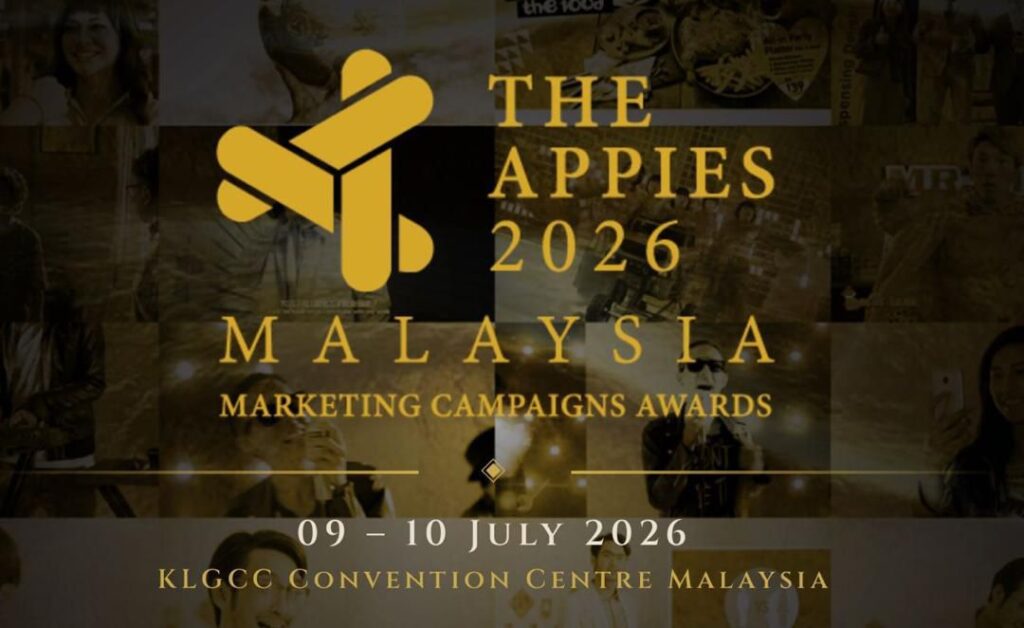
The APPIES is where Malaysia’s boldest campaigns, brightest ideas, and most impactful storytellers take the stage.
More than an awards show, it is the industry’s ultimate platform for creative, media, digital and marketing excellence, where live presentations meet live judging.
This is your chance to showcase work that moved audiences, shaped conversations, and delivered real results.
From breakthrough brand campaigns to innovative digital experiences, the APPIES celebrates the work that defines the future of marketing.
Step into the spotlight alongside the industry’s leading agencies, brands, creatives, strategists and changemakers.
Whether you are aiming for Gold, Silver, Bronze or the prestigious Best of the Best recognition, this is your moment to make history.
Your campaign deserves to be seen.
Your ideas deserve the stage.
Your work deserves the legacy.
KEY DATES
Haven’t subscribed to our Telegram channel yet? Don’t miss out on the hottest updates in marketing & advertising!