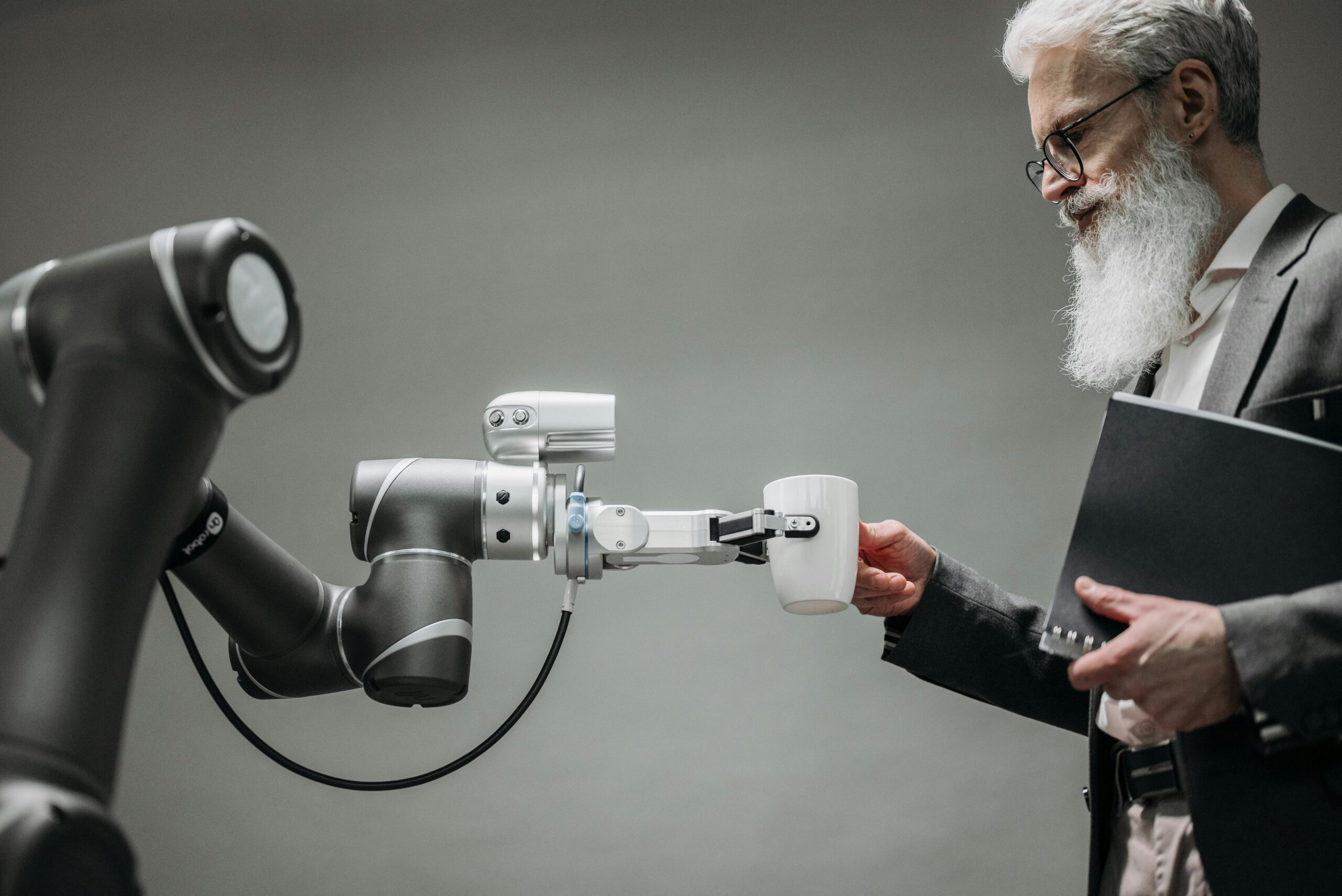
There was a time when creative people feared the accountant. Then procurement arrived. Now the industry fears the algorithm.
Across agencies and marketing teams, AI has triggered equal parts excitement and panic. One camp believes it will democratise creativity, while the other fears a future filled with polished sameness and machine-made mediocrity.
Both sides may be missing the point. Because the future of creativity may not belong to humans alone, nor to machines, but to something that emerges between them.
The Third Man.
The phrase comes from mountaineering folklore. Climbers trapped in impossible conditions often spoke of sensing an unseen companion guiding them through the storm—calm, steady, and present during moments of fear and exhaustion.
Creative people know this feeling well. Ideas arriving unexpectedly at 3am, a campaign thought suddenly appearing during a shower, or a line of copy surfacing from nowhere during traffic.
The best ideas rarely arrive through logic alone. Now AI has entered the room, and suddenly that invisible companion feels strangely real.
The Machine Is Not The Idea
Much of the AI conversation in advertising revolves around speed. Faster decks, faster edits, faster headlines, and faster content.
Useful? Certainly. Creative? Not always.
Machines are brilliant at remixing existing patterns. They can average the internet at frightening speed, but advertising has never truly rewarded averages.
The work people remember usually carries human fingerprints—oddness, timing, emotional instinct, and risk. Think of Yasmin Ahmad’s Petronas films. Neil French’s long copy. The Cadbury gorilla drumming to Phil Collins.
None of these emerged because data demanded them. They worked because humans possess something algorithms still struggle to imitate convincingly: taste.
Taste is the instinct to know when something feels emotionally true. It is the courage to leave silence inside a script and the confidence to make something slightly strange.
Creativity Has Never Been A Solo Act
The mythology of the lone creative genius was always exaggerated. Great work usually comes from collisions—a writer and an art director, a strategist and a filmmaker, or a client brave enough to say yes.
Now there is another collaborator entering the process. Not human, not conscious, but undeniably influential. The smartest creatives are not surrendering to AI. They are learning how to direct it.
A good AI prompt today resembles a great creative brief. Clarity matters, emotion matters, and cultural nuance matters.
Ironically, AI may force creatives to become sharper thinkers again. Because vague thinking now produces instantly visible mediocrity.
You can already see it everywhere. The polished visual with no soul, the perfectly written copy nobody remembers, and the campaign that looks expensive but feels emotionally empty.
As synthetic content floods the market, originality may become even more valuable.
The Courage To Stay Human
Perhaps this explains why “FEARLESS” feels like such an oddly timely theme for the Malaysian Marketing Conference on May 21.
At first glance, it sounds like standard conference language—bold typography, high-energy trailers, and optimistic stage lighting. But beneath the branding sits something more serious.
Because fear now quietly shapes the marketing industry. Fear of becoming irrelevant, fear of not understanding AI quickly enough, fear of younger audiences moving faster than agencies can adapt, and fear of sounding outdated.
Against that backdrop, the conference’s star-studded line-up of 15 speakers and panellists feels less like a parade of marketing personalities and more like an industry trying to understand itself in real time.
Some will discuss AI. Others creativity, culture, commerce, and business survival.
But underneath it all sits one uncomfortable question. How do brands continue making emotionally resonant work in a world drowning in machine-generated sameness?
Perhaps that is where the real meaning of FEARLESS begins. Not in rejecting technology, but in refusing to surrender human instinct to it.
Because the future may not belong to the loudest adopters of AI. It may belong to the people confident enough to collaborate with machines while still protecting the messy, irrational, and deeply human sparks that make audiences feel something real.
The creatives willing to walk into the storm with The Third Man beside them.
Imperfection May Become Luxury
Consumers are already developing sharper instincts. They can sense when something feels over-generated—too polished, too symmetrical, and too eager to please.
TikTok did not become culturally dominant because it looked perfect. It felt alive.
Awkward pauses, rough edits, regional slang, and human contradictions gave it authenticity. For years, advertising tried removing imperfections from communication.
Now imperfections may become proof of authenticity. A real accent, an uncomfortable silence, or a slightly rough visual may soon become luxury signals in an AI-saturated world.
Malaysia’s Creative Advantage
This moment may actually favour markets like Malaysia. Why? Because Malaysia remains wonderfully difficult to reduce into a single cultural template.
Humour shifts between communities. Languages collide. Emotions change across neighbourhoods and generations.
A campaign that works in Bangsar may fail completely in Alor Setar. A festive film may require emotional nuance impossible to automate cleanly.
That complexity is not a weakness. It is a creative advantage.
Global AI systems still struggle with deeply local emotional truths. The smell of rain before buka puasa, the politics of seating arrangements during Chinese New Year, the emotional exhaustion of balik kampung traffic, and the rhythm of Malaysian sarcasm all remain difficult to replicate.
Human creatives who understand these subtleties possess something machines cannot easily scrape from datasets: lived experience.
The Third Man Arrives
Perhaps the future creative department will look very different. Smaller teams, sharper thinkers, and cultural interpreters working alongside intelligent systems.
The machine generates possibilities. The human chooses meaning. The machine predicts patterns. The human recognises surprise. The machine accelerates production. The human protects emotional truth.
That relationship may define the next creative era. Not man versus machine, but man with machine—searching together for ideas neither could fully create alone.
The Third Man. Not a replacement, but a strange collaborator standing quietly beside us inside the blizzard of modern creativity.
Because technology can generate content endlessly. But only humans still understand longing. And advertising, at its best, has always been about longing.
Share Post:
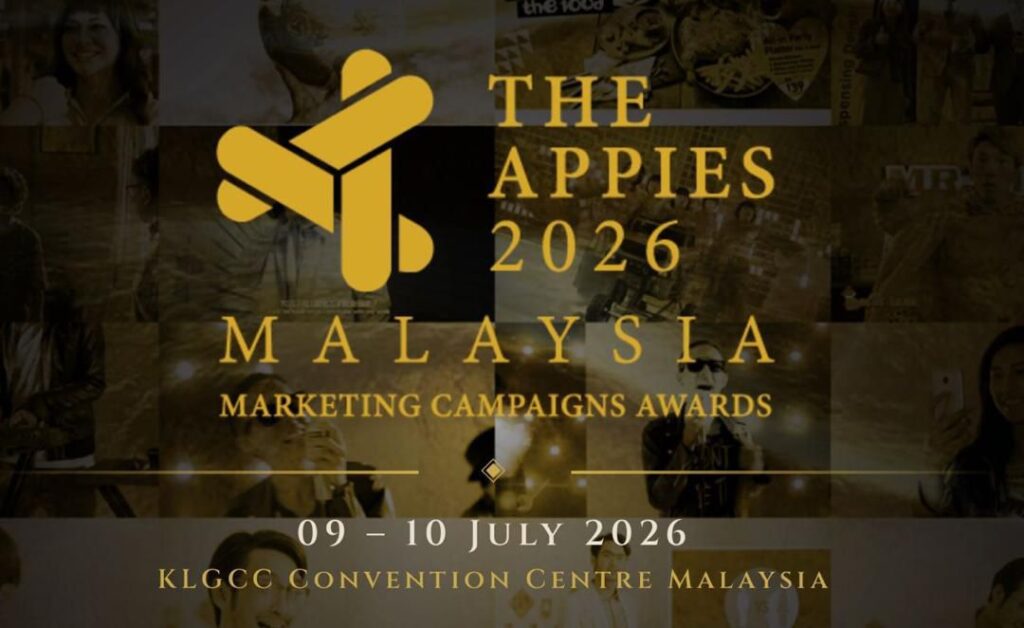
The APPIES is where Malaysia’s boldest campaigns, brightest ideas, and most impactful storytellers take the stage.
More than an awards show, it is the industry’s ultimate platform for creative, media, digital and marketing excellence, where live presentations meet live judging.
This is your chance to showcase work that moved audiences, shaped conversations, and delivered real results.
From breakthrough brand campaigns to innovative digital experiences, the APPIES celebrates the work that defines the future of marketing.
Step into the spotlight alongside the industry’s leading agencies, brands, creatives, strategists and changemakers.
Whether you are aiming for Gold, Silver, Bronze or the prestigious Best of the Best recognition, this is your moment to make history.
Your campaign deserves to be seen.
Your ideas deserve the stage.
Your work deserves the legacy.
KEY DATES
Haven’t subscribed to our Telegram channel yet? Don’t miss out on the hottest updates in marketing & advertising!