HEINEKEN has retained dentsu for its global media business while restructuring its wider agency ecosystem as part of the brewer’s EverGreen 2030 growth strategy and commercial transformation agenda.
The review sees the company reduce the number of global agency partners across media, creative and production functions in a move aimed at improving operational efficiency, strengthening strategic alignment and creating greater consistency across its international brand portfolio.
Under the revised structure, dentsu will continue overseeing global media duties, extending a partnership that has lasted for more than a decade.
Publicis Groupe has been reappointed for global secondary production responsibilities, while creative duties have been consolidated across Publicis, WPP and Stagwell.
Creative responsibilities for the flagship Heineken brand remain with Publicis and were not included in the review.
A Smaller Agency Ecosystem
According to HEINEKEN, the revised agency structure is designed to support stronger collaboration between agency partners while enabling faster and more efficient execution across global and local markets.
The streamlined roster will support international brands including Amstel, Birra Moretti, Desperados and Tiger, alongside selected local power brands.
Bram Westenbrink, Chief Commercial Officer at HEINEKEN, described the move as part of the company’s ambition to build a “more streamlined, effective and future-fit agency model” capable of delivering stronger creative impact and operational efficiency at scale.
The restructuring also forms part of the brewer’s broader “Freddyai” commercial transformation initiative.
Consolidation Continues Across Global Marketing
HEINEKEN’s move reflects a wider trend among multinational advertisers seeking to simplify complex agency structures as marketing operations become increasingly fragmented across platforms, markets and channels.
Large global brands are increasingly consolidating agency relationships in an effort to improve coordination between media, creative, production, commerce and technology functions while reducing duplication and operational overlap.
The shift comes as marketers face mounting pressure to deliver campaigns faster, produce higher volumes of content and maintain consistency across multiple consumer touchpoints simultaneously.
For agency holding groups, the consolidation trend continues to favour integrated networks capable of offering end-to-end capabilities across strategy, media, creative, production and data.
Implications for Regional Markets
The revised structure is expected to influence how HEINEKEN manages brand activity across both global and local markets, particularly for brands with strong regional identities such as Tiger and Desperados.
For marketers in Asia-Pacific, the review also highlights how global clients are increasingly prioritising operational agility, closer collaboration and scalable creative systems when evaluating agency partnerships.
While consolidation may improve efficiency, brands will still face the challenge of maintaining local relevance and cultural nuance within increasingly centralised marketing structures.
As more multinational advertisers reassess their agency ecosystems, HEINEKEN’s latest review signals that the era of sprawling multi-agency rosters may continue giving way to leaner and more tightly integrated partnership models.
Share Post:

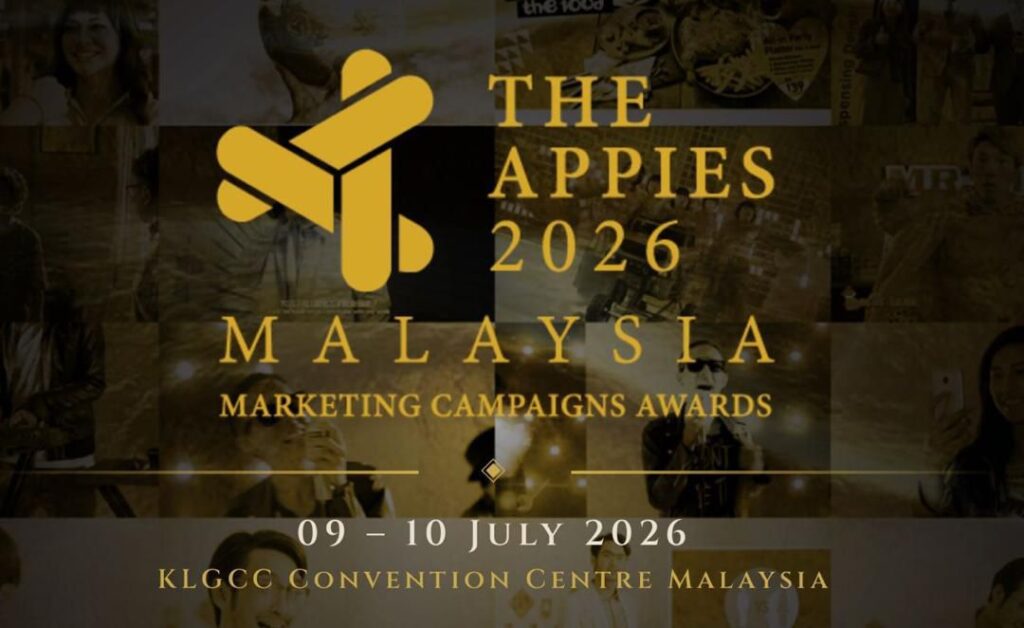
The APPIES is where Malaysia’s boldest campaigns, brightest ideas, and most impactful storytellers take the stage.
More than an awards show, it is the industry’s ultimate platform for creative, media, digital and marketing excellence, where live presentations meet live judging.
This is your chance to showcase work that moved audiences, shaped conversations, and delivered real results.
From breakthrough brand campaigns to innovative digital experiences, the APPIES celebrates the work that defines the future of marketing.
Step into the spotlight alongside the industry’s leading agencies, brands, creatives, strategists and changemakers.
Whether you are aiming for Gold, Silver, Bronze or the prestigious Best of the Best recognition, this is your moment to make history.
Your campaign deserves to be seen.
Your ideas deserve the stage.
Your work deserves the legacy.
KEY DATES
Haven’t subscribed to our Telegram channel yet? Don’t miss out on the hottest updates in marketing & advertising!