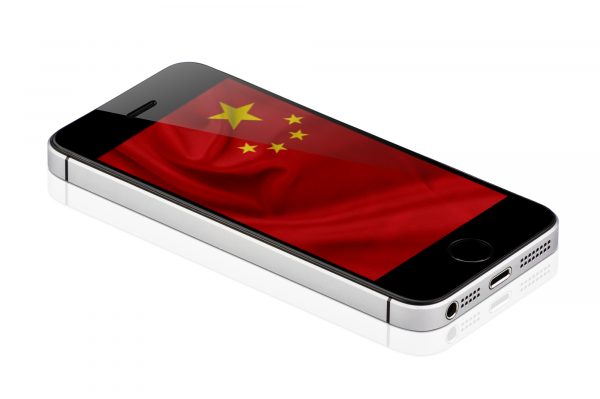
The old propaganda machine wore uniforms, carried red books and spoke in stiff ideological slogans. The new one arrives with ring lights, drone shots, cinematic transitions and suspiciously perfect travel itineraries.
A recent Instagram reel making the rounds online pulls back the curtain on what appears to be China’s growing use of influencers and content creators as soft-power ambassadors.
The premise is deceptively simple: invite foreign creators into the country, show them spotless cities, futuristic trains, bustling night markets and smiling locals, then let TikTok, Instagram Reels and YouTube Shorts do the rest.
For marketers, the story is bigger than geopolitics. It signals a profound shift in who now shapes perception, trust and national storytelling in the digital age.
For decades, countries relied on tourism boards, embassy campaigns and state-funded advertising to polish their global image.
Today, a creator with a smartphone and two million followers can achieve more emotional persuasion in 30 seconds than a glossy government campaign could in 30 years.
And audiences often do not even realise they are being marketed to.
The Rise of Creator Diplomacy
The influencer economy has evolved far beyond beauty tutorials and unboxing videos.
Governments, political movements and corporations are increasingly tapping creators because they understand one brutal truth about modern media: people trust personalities more than institutions.
That is especially true among younger audiences raised on algorithmic feeds instead of newspapers. A polished TV commercial announcing national progress feels staged.
But a casually filmed reel showing a foreign creator marvelling at cashless convenience stores in Shanghai or ultra-clean subway systems in Shenzhen feels “real”, even when the itinerary itself may have been carefully curated.
This is where the line between content and persuasion becomes blurry.
China is hardly alone in recognising this opportunity. Countries across the Middle East, Southeast Asia and even Europe are aggressively courting influencers to shape tourism, investment and cultural narratives.
But China’s scale, coordination and sophistication appear to be taking the model to another level. The real genius lies in the distribution model.
Instead of broadcasting one centralised message, the strategy fragments the storytelling across hundreds of creators, languages and platforms.
The result feels organic rather than orchestrated. That makes it vastly more effective. Reels Have Become Reality
Marketers should pay close attention because the mechanics behind this phenomenon mirror what brands themselves are now chasing.
Short-form video has become the dominant discovery engine of the internet. Instagram’s own ecosystem increasingly prioritises Reels over static content, rewarding watch time, shares and authenticity signals.
In other words, perception today is being shaped vertically. Not through websites. Not through brochures. Not even through traditional journalism.
But through endlessly scrolling feeds where emotion outruns context and aesthetics often outrun scrutiny. This changes how trust is manufactured.
A well-produced Reel can compress aspiration, nationalism, lifestyle envy and brand positioning into a few hypnotic seconds. Viewers are not analysing narratives critically. They are absorbing mood, energy and emotional cues.
That is precisely why creators have become so strategically valuable. They are not merely content producers anymore. They are perception architects.
The Authenticity Illusion
The irony, of course, is that influencer culture sells authenticity while often operating through invisible layers of curation.
Audiences know advertisements are advertisements. But creator-led storytelling occupies a far murkier psychological territory. It feels personal. Intimate. Unfiltered.
That illusion is marketing gold. And dangerous.
Because once audiences emotionally bond with creators, scepticism drops dramatically. The creator becomes both media channel and trusted friend.
Brands have already mastered this dynamic commercially. Governments are now adapting the same playbook culturally and politically.
The result is a new battlefield where nations compete not just on economic strength or military influence, but on who can dominate the algorithm.
What This Means for Brands
For marketers, there are three major lessons hiding inside this shift.
First, storytelling power has decentralised permanently. Brands no longer fully control narratives about themselves. Independent creators can shape perception faster than official campaigns.
Second, aesthetics matter more than ever. In the short-form era, visual fluency is becoming a form of credibility. Slick editing, cinematic pacing and emotionally resonant moments can dramatically influence belief.
Third, authenticity itself has become performative. The brands that will win are not necessarily those shouting the loudest, but those that understand how audiences emotionally decode content inside algorithm-driven environments.
The uncomfortable truth is this: modern persuasion no longer looks like persuasion. It looks like entertainment.
Somewhere between the drone shots, food montages and smiling selfies, an entirely new form of influence is quietly being normalised before our eyes.
Share Post:
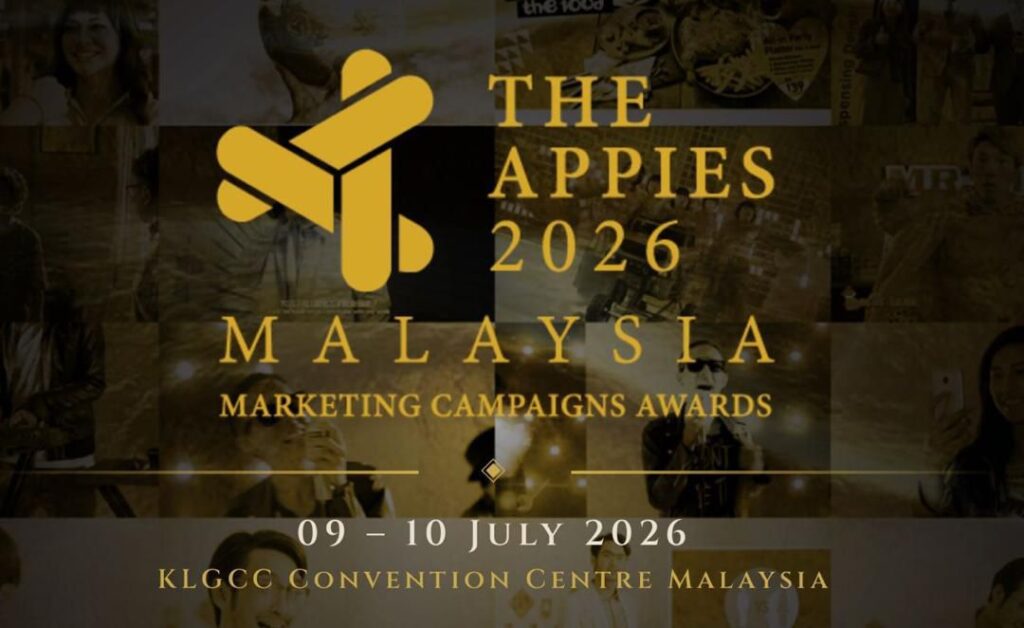
The APPIES is where Malaysia’s boldest campaigns, brightest ideas, and most impactful storytellers take the stage.
More than an awards show, it is the industry’s ultimate platform for creative, media, digital and marketing excellence, where live presentations meet live judging.
This is your chance to showcase work that moved audiences, shaped conversations, and delivered real results.
From breakthrough brand campaigns to innovative digital experiences, the APPIES celebrates the work that defines the future of marketing.
Step into the spotlight alongside the industry’s leading agencies, brands, creatives, strategists and changemakers.
Whether you are aiming for Gold, Silver, Bronze or the prestigious Best of the Best recognition, this is your moment to make history.
Your campaign deserves to be seen.
Your ideas deserve the stage.
Your work deserves the legacy.
KEY DATES
Haven’t subscribed to our Telegram channel yet? Don’t miss out on the hottest updates in marketing & advertising!