For decades, “Made in China” was shorthand for mass production. Cheap labour. Anonymous factories. Western logos stitched onto products headed for shelves in New York, London and Tokyo.
Now, one Chinese sportswear company wants something bigger: to replace those logos with its own.
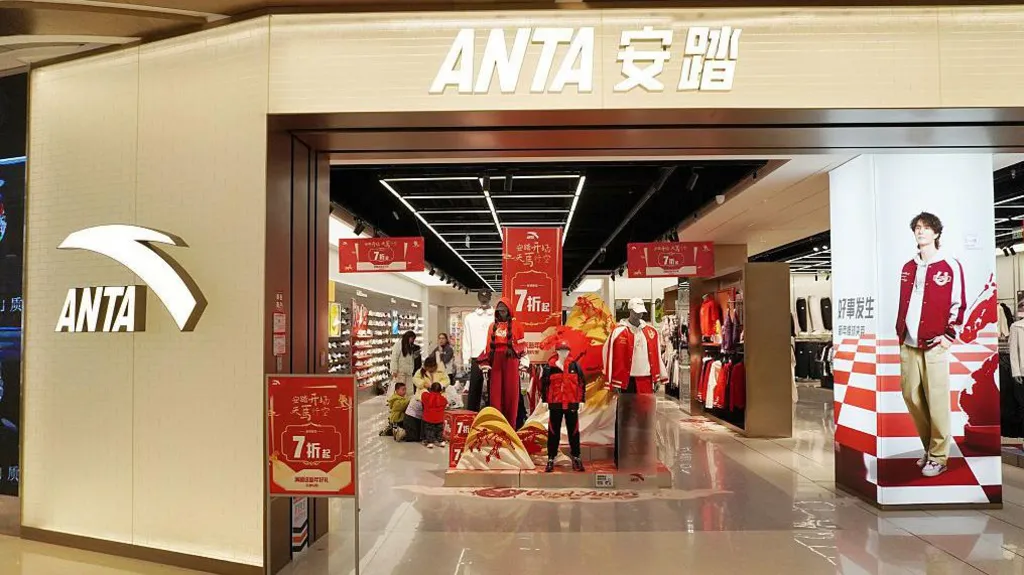
ANTA Sports, the Chinese sportswear giant that quietly built itself into a powerhouse with more than 10,000 stores across China, has opened its first flagship store in Beverly Hills, Los Angeles.
It is not merely a retail expansion. It is a statement of intent.
The company that once made shoes for other brands is now taking aim at the very giants that shaped the global sneaker industry: Nike and Adidas.
In many ways, Anta’s rise tells a bigger story about modern China itself.

From Factory Floors to Global Ambitions
The tale begins in the late 1980s when founder Ding Shizhong travelled to Beijing with 600 pairs of shoes made in a relative’s factory. He was just 17 years old.
China was beginning to flirt with capitalism under state supervision, and thousands of ambitious young entrepreneurs were emerging across the country.
What Ding understood early was that manufacturing alone would never create lasting value. Factories could produce shoes, but brands created aspiration.
That distinction changed everything.
Founded in 1991 in Jinjiang, Fujian province, Anta emerged from what would later become one of the most important manufacturing ecosystems in the world.
Jinjiang evolved into the “shoe capital” of China, packed with specialised suppliers, logistics operators and component manufacturers servicing global sneaker giants.
China’s Secret Weapon: The Supply Chain
This industrial clustering became China’s secret weapon.
Western brands chasing lower costs outsourced production to China. In the process, Chinese companies absorbed something even more valuable than revenue: operational intelligence.
They learned speed, consistency, supply chain discipline and scale. Anta was among the smartest students.
Over time, the company built not just manufacturing muscle but a nationwide retail and distribution network across China. It sponsored basketball tournaments and sporting events, opened branded outlets, and steadily transformed itself from subcontractor to consumer-facing brand.
That evolution mirrors what happened with other Chinese giants such as BYD, DJI and Xiaomi. Many began as manufacturers or suppliers before developing their own global ambitions.
China, it turns out, was not content being the world’s workshop. It wanted ownership.
What makes Anta particularly fascinating is how carefully it has approached global expansion. Unlike some Chinese companies that aggressively plaster their branding across foreign markets, Anta has opted for a quieter, more strategic route.
Its “multi-brand strategy” has become central to its rise. In 2009, Anta acquired rights to Fila in China and successfully repositioned it into a premium sports-fashion label.
Then came the major move in 2019 when Anta acquired controlling stakes in Amer Sports, gaining ownership of global outdoor and sporting brands including Arc’teryx, Salomon and Wilson.
This year, it even acquired a 29% stake in Puma. The strategy is remarkably pragmatic.
Instead of forcing a Chinese identity into markets where perceptions around Chinese-made products may still carry baggage, Anta is entering through established Western labels consumers already trust.
It is less conquest than infiltration.
Trouble in Sneaker Paradise
The timing could also not be more interesting. Nike and Adidas are facing mounting pressure globally. Supply chain disruptions, tariff tensions, slower Chinese consumer spending and shifting retail habits have dented growth.
Nike’s aggressive e-commerce pivot after the pandemic has also triggered challenges for its wholesale relationships and retail momentum.
At the same time, younger consumers are becoming less loyal to legacy brands. The sneaker market no longer revolves around just two or three global giants.
Consumers are increasingly open to niche labels, outdoor performance brands and emerging challengers. Anta sees the opening.
Beyond Sneakers, Into Culture
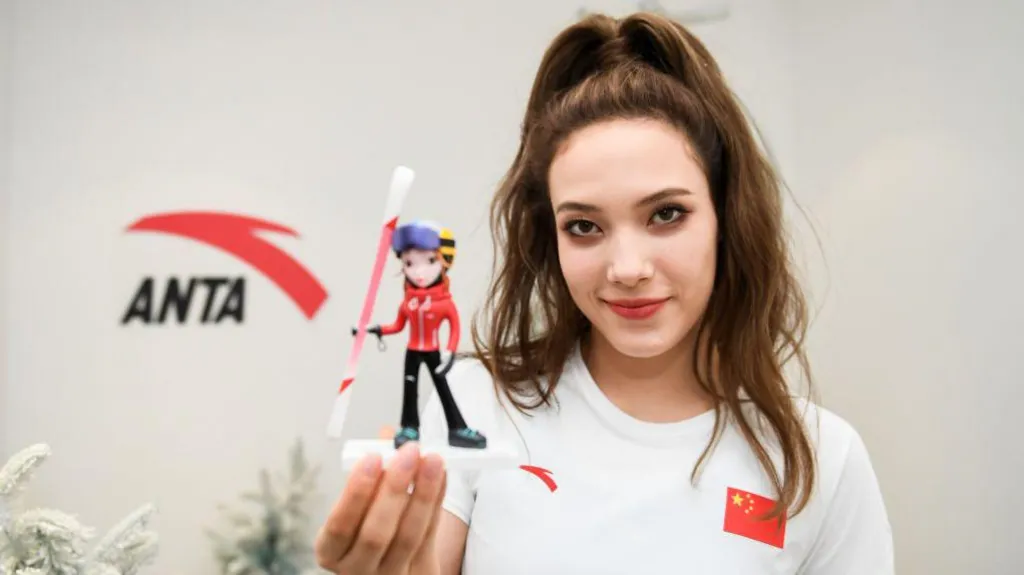
Celebrity endorsements are also part of the playbook. The company has signed athletes including freestyle skier Eileen Gu, basketball stars Klay Thompson and Kyrie Irving. Still, Anta faces a tougher challenge beyond products and sponsorships: perception.
For many Western consumers, Chinese brands still struggle against assumptions of being cheaper imitators rather than innovators. Add rising geopolitical tensions between China and the United States, and every Chinese company expanding abroad walks a delicate line between commerce and politics.
Yet Anta’s story reflects a broader shift already underway. China is no longer merely manufacturing products for the world. Increasingly, it is building brands designed to compete with the world’s biggest names on their own turf.
Perhaps that is the most unsettling part for legacy Western companies. The factories they once outsourced to are now coming for their customers.