For all the money spent chasing attention, one of April’s most talked-about brand moments arrived without a media plan, a celebrity or a launch deck. It simply floated by.
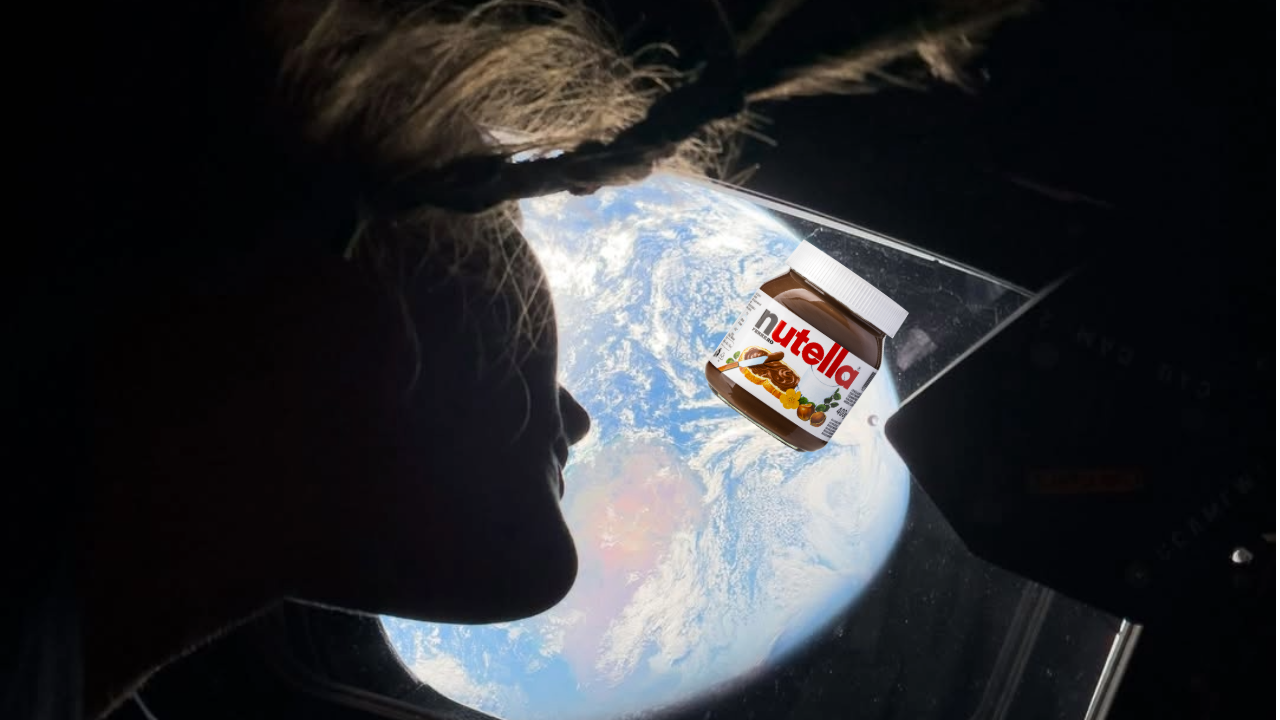
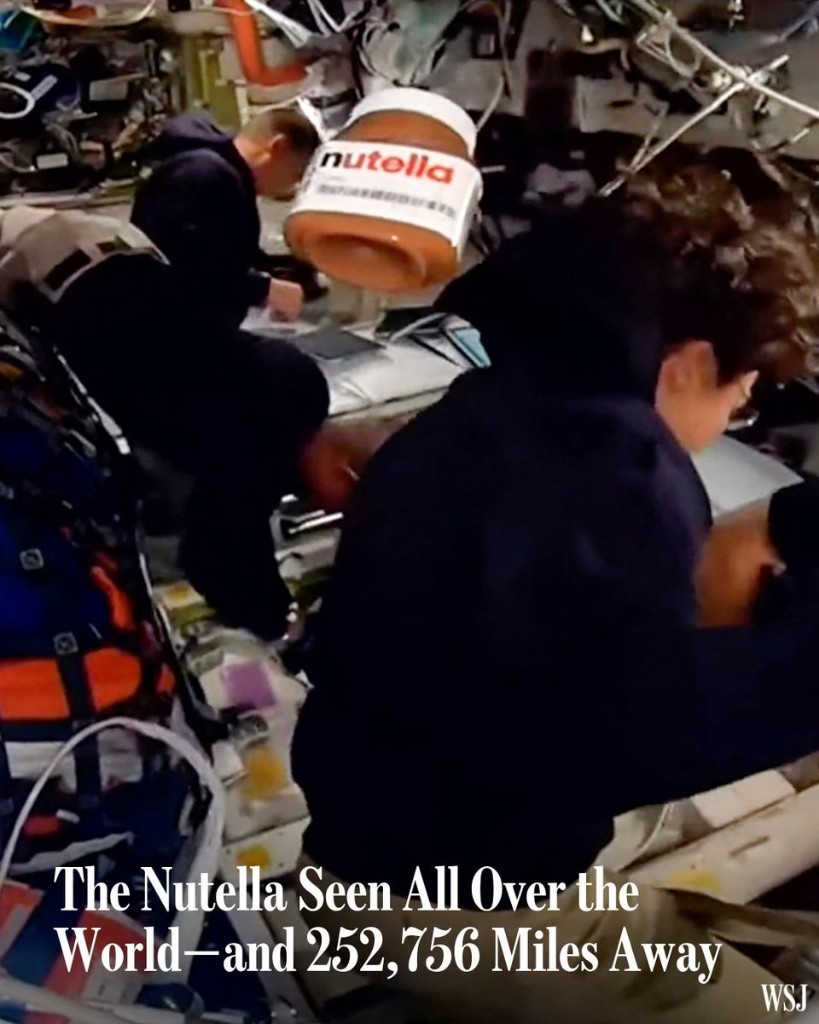
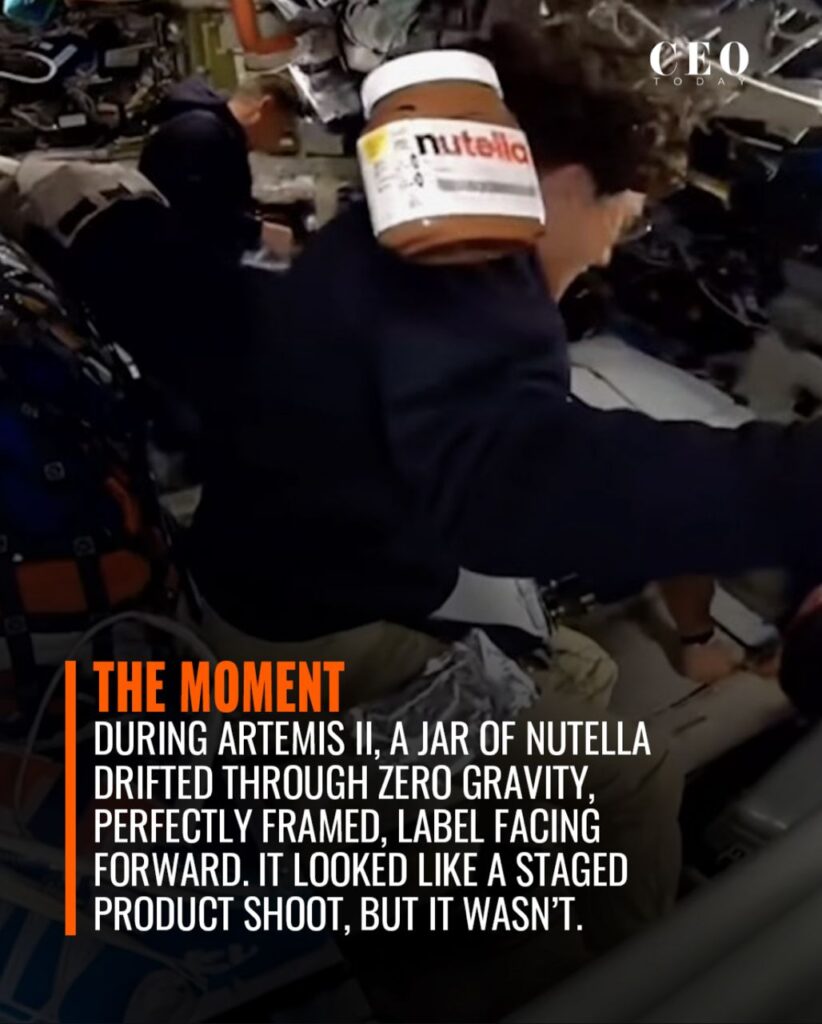
A jar of Nutella drifted across a livestream from NASA’s Artemis II mission.
For a few seconds, against the quiet hum of a spacecraft deep in space, the familiar brown label hovered in zero gravity. No script. No setup. Just a jar, doing what physics allows.
And just like that, Nutella owned a moment that most brands would spend millions trying to engineer.
Artemis II itself was already historic. NASA’s first crewed lunar flyby since Apollo, it sent four astronauts on a nearly ten-day journey around the Moon, pushing farther from Earth than any humans in over half a century.
It was a mission defined by precision, risk and engineering excellence. Then, in the middle of it all, came something disarmingly human. A breakfast staple.
The Power of The Unplanned
What made the moment travel was not scale, but contrast.
Space is the ultimate theatre of the extraordinary. Nutella belongs to the ordinary. When the two collided, the effect was immediate. The jar did not feel like a product placement. It felt like a glimpse of life inside the capsule.
A reminder that even at the edge of human exploration, people still crave small comforts. That authenticity is what marketers spend their lives trying to manufacture. Here, it appeared uninvited.
Audiences today are highly literate in advertising. They can spot a campaign before the logo appears. They recognise the choreography of “viral” content. What they rarely encounter is surprise.
This was surprise. The clip spread because it felt discovered, not distributed. People shared it not because they were asked to, but because they wanted others to see the same unexpected, quietly funny moment.
In a feed saturated with intent, this looked like chance.
When Culture Does The Heavy Lifting
There is a deeper reason the image stuck.
Nutella is not a futuristic brand. It does not trade on innovation or technology. It trades on familiarity. Comfort. Routine. The small indulgence at the start or end of a day.
Placed inside a spacecraft, it became something else entirely. Not just food, but a cultural anchor. A reminder of Earth in a place where everything else feels distant.
NASA’s own approach to food reinforces this. Space menus are tightly controlled. Everything must be shelf-stable, compact, easy to consume in microgravity, and nutritionally precise. There is no refrigeration. No casual snacking. Every item onboard is chosen with intent.
Which makes the presence of something as recognisable as Nutella even more striking.
It tells a simple story. Even in the most advanced environments, human beings remain human. For marketers, that is the gold. Not the product, but the meaning attached to it.
The Myth of Replicating Moments Like This
Inevitably, someone in a boardroom will ask how to recreate it. That is the wrong question.
This was powerful precisely because it was not designed. NASA, as a government agency, does not endorse commercial products. There was no campaign brief, no brand integration strategy, no paid partnership at play.
Trying to engineer a similar “accident” would almost certainly strip it of the very quality that made it work. The lesson is not to manufacture serendipity. It is to be ready for it.
When culture throws a moment your way, the real test is how you respond. Too slow, and it passes. Too heavy-handed, and it feels opportunistic. Too polished, and it loses its charm.
The brands that win are the ones that understand tone. That know when to speak, and when to simply let the moment breathe.
By most accounts, Nutella did just enough. It acknowledged the moment without overclaiming it. It let the audience enjoy the joke without turning it into a campaign. That restraint is rare.
What This Means For Malaysian Marketers
Closer to home, there is a useful reminder here.
Malaysian brands are no strangers to big ideas. Festive films, influencer tie-ins, elaborate activations. The ambition is not lacking. But the internet’s favourite moments often come from somewhere else entirely.
They come from observation. From timing. From something that feels real. The floating Nutella jar is not a blueprint. It is a signal.
It tells us that in an era of overproduction, what people respond to is not more content, but more truth. Moments that feel lived in, not laid out.
It also underscores something else. Context is everything. A product does not need to change. Put it in the right setting, at the right time, and its meaning transforms.
Nutella did not become innovative overnight. It became interesting because of where it appeared. And that may be the quiet lesson from Artemis II.
Somewhere between the Moon and a livestream, a jar of hazelnut spread stopped being a product and became a story. That is rarer than reach. And far harder to buy.