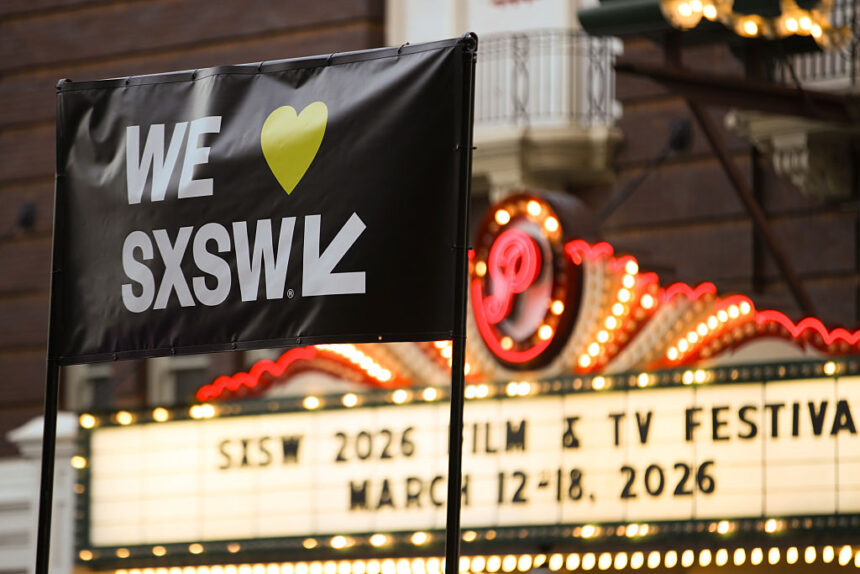
At the South by Southwest (SXSW) festival in Austin this week, the conversation around artificial intelligence and creativity took on a familiar rhythm: excitement, anxiety, and ultimately, a reminder of what audiences actually come for. Despite the rapid advance of generative AI tools, some of Hollywood’s most influential voices insist that technology will remain exactly that — a tool.
Legendary filmmaker Steven Spielberg put it bluntly.
“I’ve never used AI on any of my films yet,” he said during the conference.
“We have a writer’s room. All the seats are occupied.”
It was a simple remark, but one that landed like a creative manifesto in a room full of technologists, filmmakers, and studio executives wrestling with the implications of AI.
The AI Debate Arrives Centre Stage
The discussion unfolded during South by SXSW — a gathering that has increasingly become a global temperature check for the future of media, technology, and storytelling. And the temperature is rising.
Hollywood is still recovering from a turbulent few years that included pandemic shutdowns, the industry-wide 2023 Hollywood Writers Strike and the 2023 SAG‑AFTRA Strike.
Both labour disputes placed AI squarely at the centre of creative anxiety. Writers feared scripts generated by algorithms. Actors worried about digital replicas replacing their likeness.
Now the technology has arrived faster than many expected. But the consensus emerging from industry insiders is far more nuanced than the dystopian headlines suggest.
AI As The New Creative Assistant
Joshua Davies, chief innovation officer at Artlist — a rapidly growing creative technology platform — believes AI’s real role will be far less dramatic. Rather than replacing filmmakers, he sees it filling the gaps.
The technology, he explained, works best when deployed to generate elements that are difficult or expensive to shoot: background footage, visual transitions, or scenes that would otherwise require large production budgets. In other words, AI may become Hollywood’s newest production assistant.
“Fill in the bits you didn’t shoot,” Davies suggested, describing how the tools can help creators complete sequences that are missing footage or are impossible to film on location. It’s a pragmatic vision — one where AI becomes part of the production toolkit rather than a replacement for the industry itself.
The Myth Of The AI-Only Blockbuster
Still, the anxiety within the creative community is understandable. New AI video models can now generate cinematic footage within minutes.
Editing tools increasingly automate tasks that once required teams of specialists. And studios are actively exploring ways to integrate these systems into their production pipelines. That experimentation has already produced attention-grabbing results.
Earlier this year, Artlist created a commercial for the Super Bowl in less than five days using AI-assisted tools — at a fraction of the cost typically associated with the event’s famously expensive productions.
But Davies was quick to emphasise that the project wasn’t a preview of an AI-run future. It was still creatives using new tools. And that distinction matters.
Why Storytelling Still Wins
For all the technological breakthroughs, AI still struggles with the messy, unpredictable nature of cinematic storytelling. Davies admitted that even advanced video models today can falter when asked to generate complex camera movements or maintain visual continuity across multiple shots.
You might get an impressive clip — but not necessarily one that fits the story you’re trying to tell. That unpredictability reveals a deeper truth about filmmaking. Cinema has never been just about images. It’s about intention, emotion and narrative — the human decisions behind every cut, line and performance.
A Democratisation Moment For Creators
Where AI could truly reshape the industry, however, is in accessibility. For decades, filmmaking has been constrained by budgets. Cameras, visual effects and production crews come with enormous costs. AI tools could lower those barriers.
Independent filmmakers and online creators — particularly those working on platforms like YouTube — may suddenly have access to capabilities once reserved for major studios. That shift could dramatically expand the number of voices able to tell stories.
In that scenario, the defining factor will not be technology. It will be imagination.
The Future: More Stories, Not Fewer
If the creative leaders gathered at SXSW share one belief, it is this: the rise of AI will not reduce the demand for human storytelling. If anything, it may amplify it.
Technology will accelerate production, streamline workflows and open doors for new creators. But audiences still crave something machines cannot easily generate — authenticity.
In Hollywood, the camera may change. The tools may evolve. But the thing that ultimately fills cinema seats remains stubbornly human: a story worth watching.
Share Post:
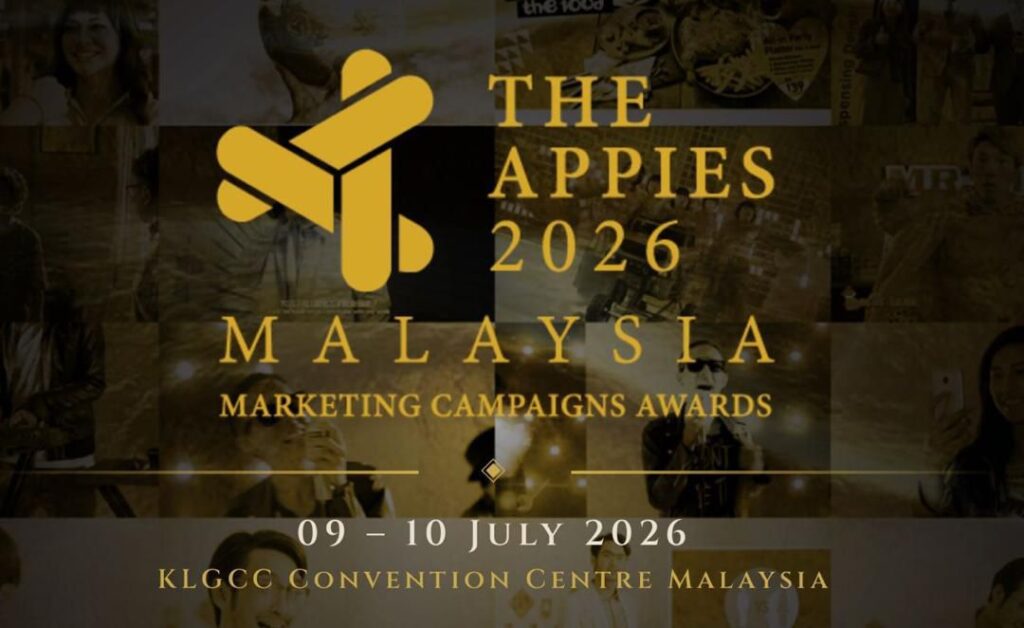
The APPIES is where Malaysia’s boldest campaigns, brightest ideas, and most impactful storytellers take the stage.
More than an awards show, it is the industry’s ultimate platform for creative, media, digital and marketing excellence, where live presentations meet live judging.
This is your chance to showcase work that moved audiences, shaped conversations, and delivered real results.
From breakthrough brand campaigns to innovative digital experiences, the APPIES celebrates the work that defines the future of marketing.
Step into the spotlight alongside the industry’s leading agencies, brands, creatives, strategists and changemakers.
Whether you are aiming for Gold, Silver, Bronze or the prestigious Best of the Best recognition, this is your moment to make history.
Your campaign deserves to be seen.
Your ideas deserve the stage.
Your work deserves the legacy.
KEY DATES
Haven’t subscribed to our Telegram channel yet? Don’t miss out on the hottest updates in marketing & advertising!