Every Ramadan, millions of Malaysians ask the same question.
“Hari ini berbuka pukul berapa?”
It is a small ritual repeated daily across homes, offices, campuses and construction sites. Phones are checked. WhatsApp groups light up. Someone inevitably Googles the time.
This year, 7-Eleven Malaysia, together with its agency TBWA\Kuala Lumpur, turned that everyday question into a quietly brilliant advertising idea. Instead of producing another emotional festive film, the convenience chain transformed its iconic “7” logo into a visual reminder of the day’s iftar time — effectively turning the brand into a nationwide Ramadan clock.
The result is one of those deceptively simple ideas that sits perfectly at the intersection of culture, location relevance and outdoor media thinking. And it offers a reminder that during Ramadan — arguably Malaysia’s most cluttered advertising season — usefulness can cut through far better than sentimentality.
A Brand That Became a Clock
The execution is elegantly simple.
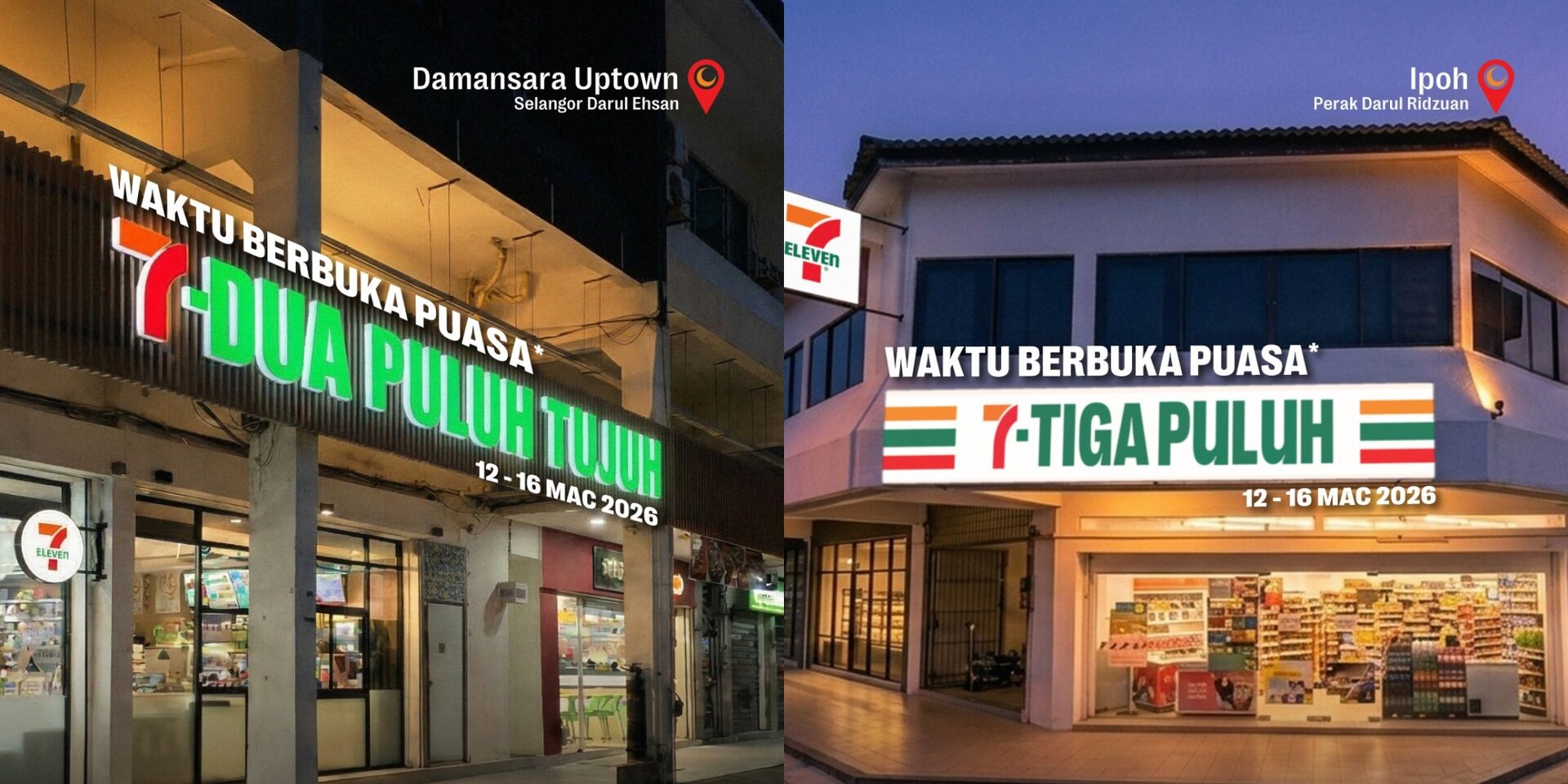
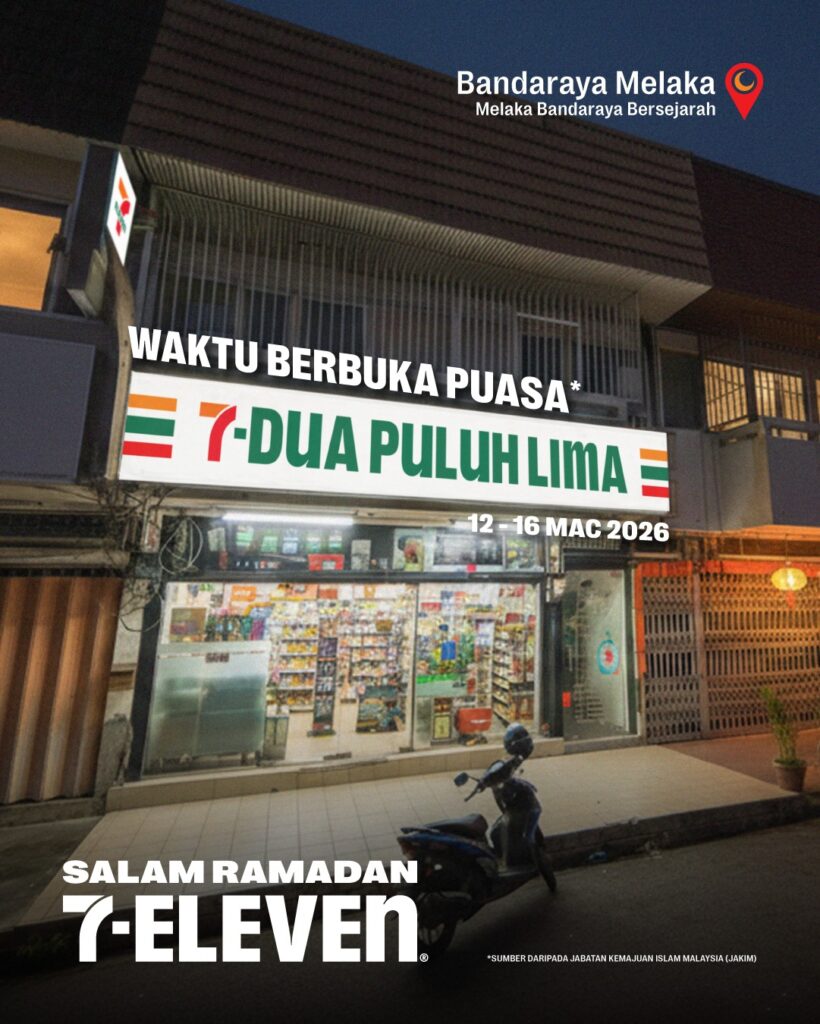
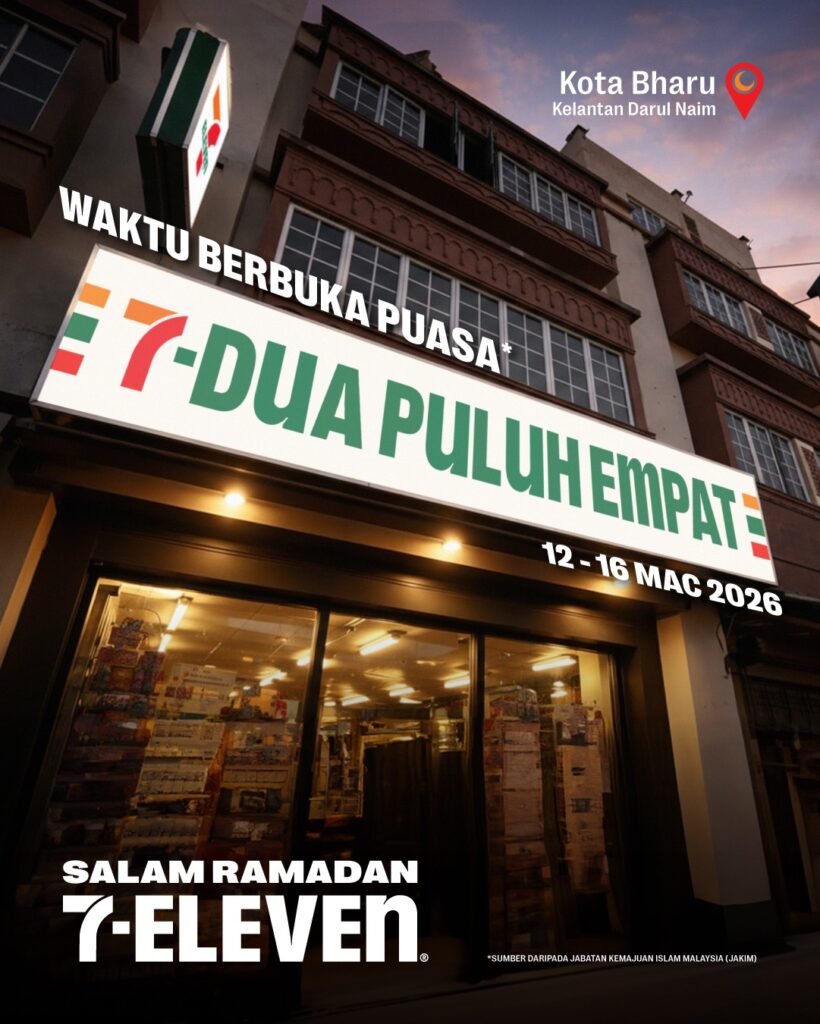
Across social media and outdoor placements, 7-Eleven modified its logo so the familiar “7” becomes the starting point of the day’s iftar time. Each creative reflects the precise breaking-fast time for that location — whether Damansara Uptown, Kota Bharu, Melaka or Ipoh — based on official schedules from Jabatan Kemajuan Islam Malaysia (JAKIM).
In other words, the brand isn’t merely being playful. It is being useful.
For the creative team at TBWA\KL, the insight came from recognising how deeply the iftar moment shapes daily Ramadan behaviour. As the campaign’s creative director Mo Nazmi Ahmad explains:
“We wanted people to think of 7-Eleven whenever they think about iftar.
We realised that 7-Eleven already sounds like a time. So the idea was simple: what if the brand itself showed the time of iftar? “
“It was a natural way for 7-Eleven to become part of the Ramadan conversation and culture.” “By simply turning the 7-Eleven logo into the actual iftar time, the brand becomes genuinely helpful, playing a meaningful role in people’s daily Ramadan routine,” he explained.
Solving a Real Business Problem
Beyond creativity, the campaign was also rooted in a clear business challenge.
According to the CEO of TBWA\KL, Yee Hui Tsin, the agency’s objective was to reposition the brand as a reliable stop for Muslims who might not always have the luxury of breaking fast at home. “Ramadan isn’t always experienced around the dining table,” she notes.
“For many Malaysians — those commuting, working late, travelling or running errands — the moment of iftar can happen anywhere.” That insight shaped the role the brand could play.
By transforming store signage and outdoor placements into real-time iftar reminders, the campaign effectively turned 7-Eleven locations into helpful reference points across the country.
In essence, the brand’s signage became Ramadan iftar clocks. The thinking was straightforward: if people knew the exact moment to break fast — and a 7-Eleven store was nearby — the convenience chain naturally became the most immediate solution.
As Hui Tsin puts it, the brand could become “a useful and helpful convenience stop for those who couldn’t buka puasa in the comfort of their homes.”
Outdoor Media as Cultural Infrastructure
Outdoor advertising works best when it behaves like infrastructure. Think public clocks, train arrival boards, weather updates or traffic alerts. They provide information people genuinely need.
7-Eleven’s Ramadan execution taps into that same behavioural space. Instead of behaving like a billboard shouting for attention, the signage functions more like a public service announcement.
The communication stops feeling like advertising. It starts feeling like information. And information is something people welcome.
From Social Idea to Rapid OOH Deployment
Interestingly, the campaign was designed as a social-first activation, with outdoor media acting as amplification rather than the primary channel. That strategic decision acknowledges a practical constraint: iftar times change every day and vary slightly across Malaysian cities.
Traditional static OOH simply isn’t built for that level of daily variation. Yet the campaign demonstrated how outdoor could still move quickly when the right partners were involved.
According to outdoor specialist Karan Chhabra of Visual Retale, the idea came together rapidly once the concept landed. Using the company’s Pick&Play booking system, sites close to key 7-Eleven outlets were secured and activated within hours — allowing the Ramadan idea to move from concept to public visibility almost immediately.
For creative agencies, that kind of agility is increasingly critical. Ideas tied to cultural moments often succeed or fail based on timing.
A Ramadan Idea That Feels Uniquely Malaysian
There is also something culturally specific about the idea. Ramadan in Malaysia is intensely communal, with the timing of iftar forming a shared national rhythm.
Turning a convenience store’s signage into a public iftar reminder taps directly into that collective behaviour. In fact, as Hui Tsin points out, the idea is something that could only really happen in this market — and with this brand.
“If you think about it,” she says, “this is something that can really only happen in Malaysia — and with 7-Eleven.”
With one clever twist of its iconic logo, the brand placed itself inside the most important moment of Ramadan. Not by shouting. But by quietly answering the one question Malaysians ask every evening.
What time is buka puasa today?