There was a time when generative AI was treated as a novelty — a clever writing assistant, a curiosity, or at best a productivity shortcut.
In 2026, that framing is obsolete.
According to Forrester’s latest State of Gen AI and Consumers report, generative AI has crossed an important psychological threshold: it is no longer just a tool people use, but a system many now rely on.
Globally, 62% of users engage with generative AI at least weekly, with one in five online adults using it daily.
That frequency signals something deeper than adoption. It suggests habit formation — the same behavioural shift once seen with smartphones, search engines, and social platforms.
For many consumers, Gen AI is quietly becoming what researchers describe as a “second brain”: a go-to interface for thinking, planning, deciding, and even reflecting.
From Search Engine to “Answer Engine”
One of the most significant shifts is how consumers now approach information discovery.
Rather than browsing multiple sources, users increasingly turn to Gen AI as a consolidated “answer engine” that synthesises recommendations, explanations, and decision support in a single interaction.
This behaviour is reshaping digital journeys — compressing what used to be long search-and-compare processes into one conversational step.
The implications for brands are substantial.
As large language models power more discovery moments, traditional search traffic patterns are fragmenting.
Visibility is no longer defined solely by ranking in search results but by whether a brand’s content is accessible, structured, and trusted enough to be surfaced within AI-generated responses.
In effect, AI interfaces are becoming the new front door to brand discovery.
The Rise of AI as Companion and Coach
Beyond information retrieval, emotional engagement with AI is also rising.
In markets such as the US and UK, between 27% and 31% of consumers report using generative AI not only as a digital assistant but also as a form of conversational companion.
Users describe the experience as non-judgmental, responsive, and always available — attributes that foster repeated engagement and deeper reliance.
This behavioural shift explains why more than 40% of users now rely on AI for drafting content, while similar proportions turn to it for advice, recommendations, and daily problem-solving.
Early signals of AI-assisted commerce are also emerging — roughly 28% of US and 27% of UK online adults have already completed purchases with AI support, particularly in travel planning, product discovery, and comparison tasks.
Four Mindsets, One Direction
Forrester categorises consumers into four broad archetypes — Power Users, Casual Users, Reluctant Adopters, and Skeptical Observers — highlighting that while adoption is accelerating, trust remains uneven.
Concerns around misinformation, privacy, and job displacement continue to shape how confidently consumers delegate decisions to AI systems.
Yet even among cautious users, behavioural drift is clear.
The boundary between personal and professional use is dissolving, with individuals using the same AI tools for workplace productivity, life planning, and creative expression.
The more frequently consumers experience convenience gains, the faster resistance softens.
The Brand Mandate: Discovery, Trust, and Responsibility
For marketers, the lesson is not simply to “use AI more,” but to rethink how customers will encounter brands in an AI-mediated environment.
Optimising for AI discovery, ensuring data transparency, and embedding ethical governance into AI-driven customer experiences are no longer optional safeguards — they are competitive requirements.
Generative AI is not just another digital channel.
It is rapidly becoming the interface through which people interpret the digital world.
As that interface grows more conversational, personalised, and trusted, the brands that succeed will be those that understand a simple reality: the future customer journey may begin not with a search bar, but with a conversation.
Share Post:
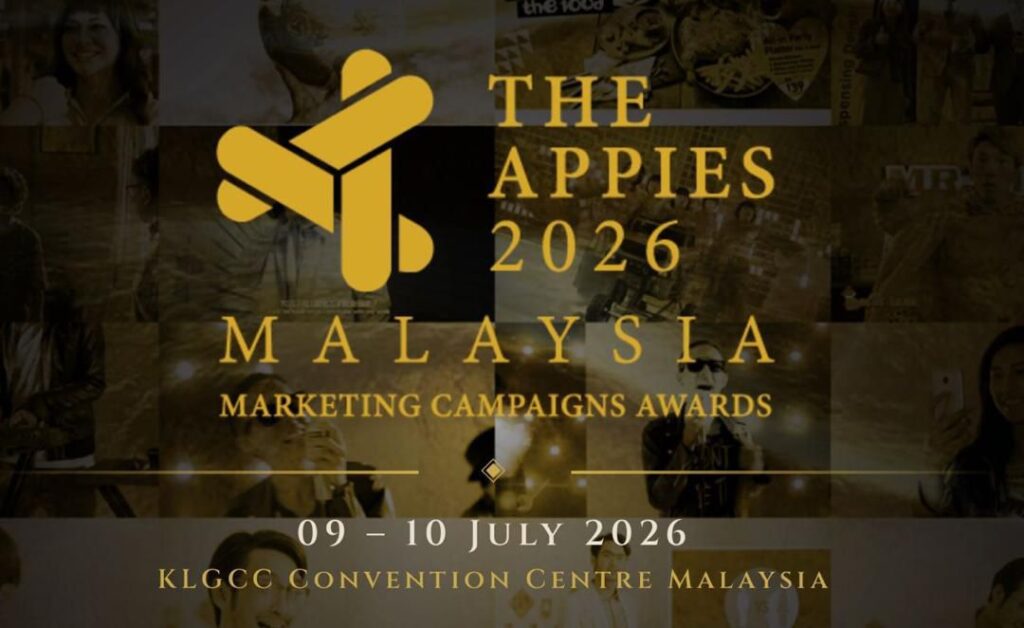
The APPIES is where Malaysia’s boldest campaigns, brightest ideas, and most impactful storytellers take the stage.
More than an awards show, it is the industry’s ultimate platform for creative, media, digital and marketing excellence, where live presentations meet live judging.
This is your chance to showcase work that moved audiences, shaped conversations, and delivered real results.
From breakthrough brand campaigns to innovative digital experiences, the APPIES celebrates the work that defines the future of marketing.
Step into the spotlight alongside the industry’s leading agencies, brands, creatives, strategists and changemakers.
Whether you are aiming for Gold, Silver, Bronze or the prestigious Best of the Best recognition, this is your moment to make history.
Your campaign deserves to be seen.
Your ideas deserve the stage.
Your work deserves the legacy.
KEY DATES
Haven’t subscribed to our Telegram channel yet? Don’t miss out on the hottest updates in marketing & advertising!