For years, influencer marketing was the digital equivalent of a billboard — big reach, fuzzy outcomes, and plenty of debate about whether those likes translated into anything meaningful. That era is ending.
Across Asia-Pacific, influencer marketing is rapidly transforming from an awareness play into a measurable business driver, and marketers are adjusting budgets, expectations, and strategies accordingly.
The latest State of Influence in APAC 2026 report by AnyMind Group reveals a decisive shift — performance-driven influencer campaigns rose from 28.24% in2023 to 42.47% in 2025, reflecting mounting pressure on brands to prove marketing ROI in real commercial terms.
The message is clear: influence is no longer measured only in impressions — it is measured in clicks, conversions, and commerce.
The Creator Economy Enters Its Performance Phase
The study, built from nearly 7,000 campaigns and data from over 1.1 millioninfluencers across 10 markets, shows influencer marketing evolving into a full-funnel capability spanning discovery, consideration, and purchase.
This maturation reflects broader changes in digital marketing economics.
With rising acquisition costs across paid media, brands are increasingly treating creators not merely as storytellers but as performance partners — conversion funnels with built-in trust.
Engagement metrics, affiliate links, social commerce integrations, and creator storefronts are turning influence into transaction-ready touchpoints.
In practical terms, influencer campaigns today are designed with defined KPIs: traffic, product trials, app installs, or direct sales.
Awareness still matters, but it is now the beginning of the funnel, not the end goal.
TikTok’s Commerce Momentum — But Strategy Remains Local
Platform dynamics across the region reinforce the performance shift.
TikTok continues to strengthen its role as a discovery-to-purchase ecosystem, dominating campaign activity in several Southeast Asian markets, while Instagram retains strong relevance for visual branding and conversion-driven storytelling in markets such as Malaysia, Japan, and Taiwan.
Crucially, the report highlights that platform strategies are increasingly market specific.
Malaysia, for example, shows a near-even split between Instagram and TikTok activity, underscoring the importance of a dual-platform strategy that balances brand building with viral reach.
The takeaway for marketers is straight forward: there is no universal “influencer platform strategy.”
Regional nuance is now essential, particularly in Asia’s highly fragmented digital ecosystems.
Small Creators, Big Business Outcomes
Another defining shift is the growing strategic importance of nano- and micro-influencers.
These creators, who often operate within tightly defined niche communities, consistently deliver higher engagement rates and stronger trust signals than large celebrity accounts.
Brands across Asia are increasingly adopting “creator pyramid” strategies — combining a small number of top-tier creators for reach with a broader base of smaller influencers to drive engagement and conversions at scale.
The result is a hybrid model that balances storytelling impact with measurable performance.
This approach also reflects changing consumer psychology.
Audiences today are more likely to trust creators who feel relatable, authentic, and embedded within everyday culture rather than distant celebrity endorsers.
Influence Becomes an Always-On Growth Channel
Perhaps the most important implication of the report is structural rather than tactical.
Influencer marketing is no longer a campaign-based activation tied to seasonal bursts or product launches.
Instead, it is becoming an always-on performance channel — integrated with e-commerce systems, affiliate tracking, live shopping, and data analytics platforms.
In other words, influence is no longer a media add-on. It is increasingly part of the digital commerce infrastructure.
For brands operating across Asia, the shift demands new capabilities: stronger creator relationship management, platform-specific content strategies, and closer alignment between marketing, commerce, and performance teams.
Those that continue to treat influencer marketing purely as a branding exercise risk falling behind competitors already turning creators into measurable revenue engines.
The creator economy has entered its next phase. Visibility is no longer enough.
In Asia’s evolving marketing landscape, the new benchmark is simple: if influence cannot drive outcomes, it is no longer influence at all.
Share Post:


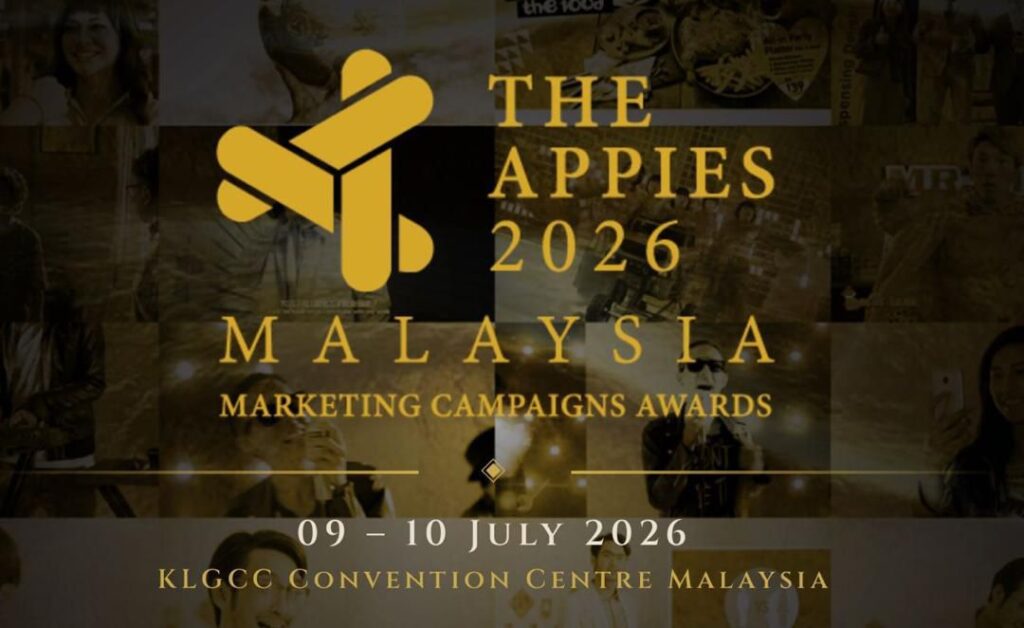
The APPIES is where Malaysia’s boldest campaigns, brightest ideas, and most impactful storytellers take the stage.
More than an awards show, it is the industry’s ultimate platform for creative, media, digital and marketing excellence, where live presentations meet live judging.
This is your chance to showcase work that moved audiences, shaped conversations, and delivered real results.
From breakthrough brand campaigns to innovative digital experiences, the APPIES celebrates the work that defines the future of marketing.
Step into the spotlight alongside the industry’s leading agencies, brands, creatives, strategists and changemakers.
Whether you are aiming for Gold, Silver, Bronze or the prestigious Best of the Best recognition, this is your moment to make history.
Your campaign deserves to be seen.
Your ideas deserve the stage.
Your work deserves the legacy.
KEY DATES
Haven’t subscribed to our Telegram channel yet? Don’t miss out on the hottest updates in marketing & advertising!