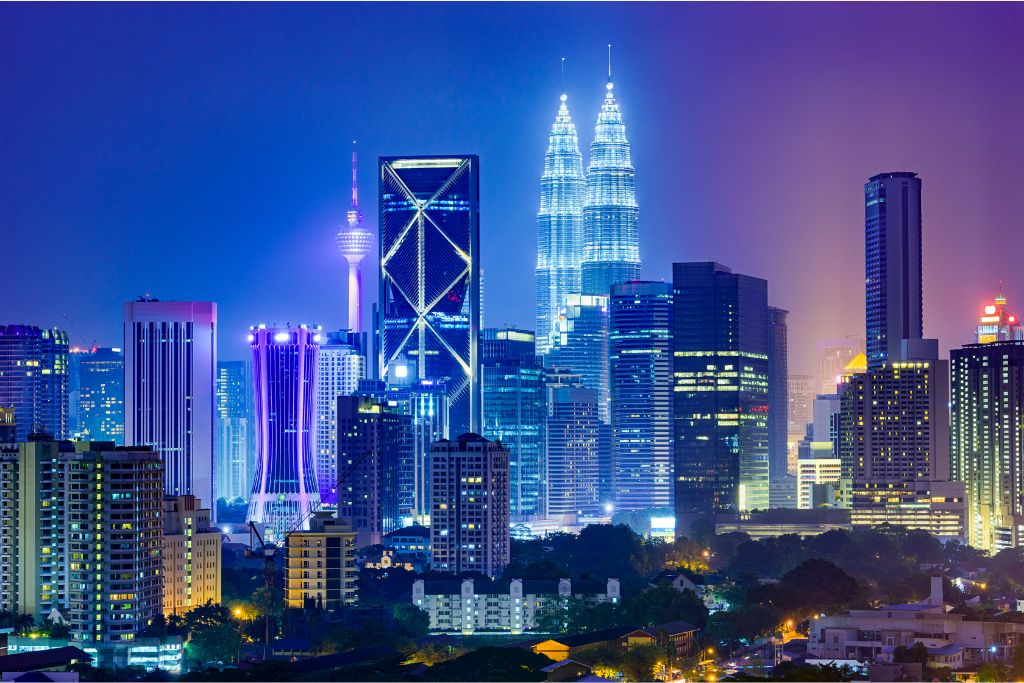
For years, Malaysia’s digital economy story has been told as one of promise: good infrastructure, decent adoption, strong middle-class demand. Now, finally, it reads like performance.
According to the newly released 10th edition of the e-Conomy SEA Report by Google, Temasek and Bain & Company, Malaysia is officially Southeast Asia’s fastest-growing digital economy, expanding 19% year-on-year and on track to hit RM161 billion (US$39 billion) in gross merchandise value (GMV) by 2025.
Not projected leadership. Not regional potential. Actual leadership.
And that changes the narrative for brands.
Because when a market moves from “catch-up” to “pacesetter”, expectations shift. From investors. From consumers. And most of all, from marketers.
E-commerce: No Longer Just the Engine. It’s the Chassis.
The headline driver remains clear. E-commerce continues to carry the weight, with GMV expected to reach US$20 billion (RM83.3 billion) by 2025, growing at 21%YoY – the second-fastest in Southeast Asia.
But the interesting bit isn’t just the number. It’s how Malaysians are buying.
Bain & Company’s Amanda Chin highlights two forces reshaping behaviour:
Video commerce alone now accounts for 10% of total GMV, and that number will only climb.
This isn’t just TikTok Shop noise. It’s a structural shift.
Malaysians aren’t browsing product catalogues. They’re discovering products through content, personalities, and algorithm-fed storytelling. Commerce is now a performance, not a transaction.
For brands, this flips the playbook. Creative is no longer just for awareness. It is now the storefront.
The Real Growth Story: Malaysia Is Becoming a Digital Behaviour Market
What makes this moment more strategic than statistical is how deep digital has moved into daily life.
Google Malaysia & Singapore MD Ben King points to three quiet but powerful enablers:
But what stood out in his remarks was one line:
Malaysians are becoming some of the region’s most active users of generative AI tools.
It suggests that Malaysia isn’t just consuming digital products. It’s increasingly shaping how they’re used in everyday life — from content creation and small business operations to education and customer service.
For marketers, that signals a coming shift: We are about to face a consumer who is not just digitally fluent — but digitally augmented.
Travel, Tourism, and the Rebirth of Experience
Online travel has also surfaced as one of the strongest growth engines, driven by:
Inbound travel grew more than 20% in the first half of the year, with visitors opting for more digitally enabled, premium experiences.
This matters because Malaysia’s tourism proposition is no longer about affordability alone. It’s about digitally enhanced experience.
Smart itineraries, cashless transactions, hyper-local discovery through apps, influencer travel content in Bahasa and regional languages — these are no longer optional. They are expected.
For destination marketers and travel brands, the message is simple:
The next tourist to Malaysia will arrive with a smartphone, not a guidebook.
Cashless Is Now Cultural, Not Just Convenient
Digital financial services continue their strong showing, with digital paymentsprojected to hit US$213 billion (RM887 billion) in gross transaction value next year.
Bank Negara Malaysia recorded a 28% rise in digital payment usage, while DuitNow QR continues its push into cross-border interoperability across Southeast Asia.
This is no longer about fintech disruption. This is about cultural default.
Cash in Malaysia is slowly becoming what checks became a decade ago — not obsolete, but inconvenient.
For brands, this opens more than just frictionless payments. It unlocks deeper data, sharper targeting, smarter loyalty systems and more seamless customer journeys.
Every QR scan is a data handshake. Every cashless transaction is a marketing insight.
Southeast Asia at Large — And Malaysia’s Position in It
Regionally, Southeast Asia’s digital economy is projected to cross US$300 billion(RM1.24 trillion) in GMV by 2025, growing at 15% YoY — outperforming initial forecasts by 1.5 times.
But Malaysia’s 19% growth means we’re not just growing with the region.
We’re pulling ahead in specific behavioural and adoption areas. And that’s the pivot point.
Because this growth isn’t coming from one or two unicorns. It’s coming from ordinary Malaysians changing how they live, transact, travel, and entertain themselves.
What This Means for Malaysian Marketers
Let’s bring this down from report language to marketing reality.
The brands that win will be those who test early, learn fast, and localise deeply.
Share Post:


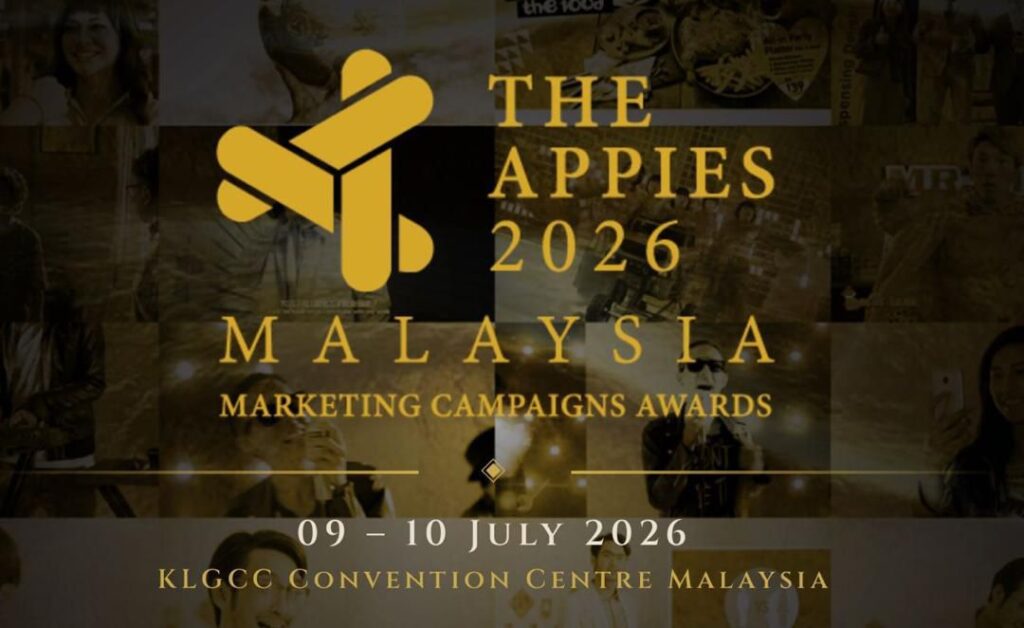
The APPIES is where Malaysia’s boldest campaigns, brightest ideas, and most impactful storytellers take the stage.
More than an awards show, it is the industry’s ultimate platform for creative, media, digital and marketing excellence, where live presentations meet live judging.
This is your chance to showcase work that moved audiences, shaped conversations, and delivered real results.
From breakthrough brand campaigns to innovative digital experiences, the APPIES celebrates the work that defines the future of marketing.
Step into the spotlight alongside the industry’s leading agencies, brands, creatives, strategists and changemakers.
Whether you are aiming for Gold, Silver, Bronze or the prestigious Best of the Best recognition, this is your moment to make history.
Your campaign deserves to be seen.
Your ideas deserve the stage.
Your work deserves the legacy.
KEY DATES
Haven’t subscribed to our Telegram channel yet? Don’t miss out on the hottest updates in marketing & advertising!