For most marketers under 40, the Google ads machine has always been the weather system.
Not something you notice day to day — just something that determines whether campaigns rain conversions or dry up into spreadsheets of excuses.
Now, for the first time in years, that system is under serious threat.
Not from TikTok. Not from retail media. Not even from AI.
But from a courtroom in Virginia, USA.
A US federal judge is weighing whether to break up Google’s advertising technology business — a move that could rip apart the pipes and valves of the entire programmatic ecosystem.
Not theory. Not policy theatre. Actual forced divestment.
The Power That Nobody Sees
Most people think Google’s advertising dominance sits in Search.
The keyword. The click. The sale.
But the real machinery — the one that prints the money — lives in its ad tech stack.
The invisible infrastructure.
AdX (its ad exchange). DV360 (its demand-side platform). Google Ad Manager (publisher ad server). The pipes connecting buyers to sellers, auctions to impressions, data to outcomes.
Together, they process around 8.2 million ad space requests every second. And Google takes roughly 20% from publishers on each transaction.
Not outrageous, by Wall Street standards. But devastating, by digital publishing economics.
The US Department of Justice (DOJ) calls this an illegal monopoly.
Google calls it “efficiency”.
Marketers just call it “how digital works”.
But now, that “how” might change.
A Rare Moment of Real Consequence
Here’s why this isn’t just another regulatory headline.
This case is not about fines. It’s not about symbolic slaps on wrists.
The DOJ is pushing for what they describe as a “root and branch” remedy — a forced sale of major parts of Google’s ad tech business.
Not behaviour tweaks. Not prettier disclosures.
Actual separation.
If it happens, it would be the first major Big Tech breakup in the modern internet era.
Not after bargaining. Not after lobbying. But by order.
For marketers, that’s not just governance. That’s tectonic shift.
Because Google’s ad tech stack doesn’t just serve ads.
It defines auction rules. It shapes fee structures. It decides which data flows where, at what speed, under whose control.
The moment those walls come down, the whole programmatic landscape starts moving.
And in marketing, movement is both opportunity and chaos.
Often at the same time.
The Judge’s Dilemma: Surgical Precision vs Digital Reality
Judge Leonie Brinkema’s dilemma is not ideological. It’s operational.
She’s concerned that a forced break-up could take years — tangled in appeals, technical migration, customer disruption.
By the time it happens, the market may already have evolved.
Her counterpoint? Mandate behavioural changes that can be implemented within 12–15 months, instead of dragging through a multi-year divestiture nightmare.
For Google, that’s a lifeline language. For the industry, it’s a warning.
Because behavioural changes — transparency rules, data-sharing requirements, access obligations — can alter competition faster than selling units.
And that’s often more uncomfortable.
Break-ups hurt slowly. Behavioural changes hurt immediately.
What This Means For Marketers In Southeast Asia
Let’s bring this closer to home.
Malaysia, Singapore, Indonesia — growing digital markets built on platforms we don’t control.
If Google’s ad tech dominance is loosened, three big shifts follow:
1. Media Costs Will No Longer Feel “Normal”
Right now, most planners and buyers treat Google fees like oxygen.
Invisible. Non-negotiable.
A change in structure could expose costs that were previously baked in.
Agencies may finally have to explain fee layers they’ve politely ignored for years.
Marketers will start asking uncomfortable questions —Who’s taking what? And why? That’s not a bad thing. It’s overdue.
2. Independent Ad Tech Could Have Its Moment
A divestiture or enforced data-sharing regime could open doors for regional ad tech players — including Southeast Asian players that were previously suffocated by platform gravity.
Not because they’re suddenly better. But because the playing field finally stops tilting.
Regional DSPs. Local content networks. Programmatic startups that understand local audiences better than a California algorithm ever could.
It’s not about replacing Google. It’s about reducing dependency on it.
A huge difference.
3. Agencies Will Be Forced To Reclaim Strategy
Here’s the inconvenient truth.
Over the years, many agencies quietly surrendered strategy to platform architecture.
What bid strategy? Google Smart Bidding. What placements? Performance Max. What optimisation? Auto.
If Google’s ecosystem fragments, agencies will have to start thinking again. Not just buying.
Thinking. That’s uncomfortable for some.
But beautiful for those who still remember what planning actually means.
The Real Question: Are Marketers Ready?
Google’s lead counsel says a break-up would be “extreme” and “technically difficult”. She’s probably right.
But here’s the uncomfortable parallel — So was dependence.
Breaking up won’t make digital advertising more romantic. It won’t make it cleaner. It won’t bring back “golden age” craft.
But it might restore something rare. Choice.
The ability for advertisers, publishers and tech firms to build ecosystems not predetermined by a single company’s architecture.
In Southeast Asia, where digital media growth has outpaced regulation, this moment could be critical.
We either — sleep through it, or learn how to design alternatives.
Because the truth is simple.
When Google blinks, the internet doesn’t collapse. It recalibrates.
And those who recalibrate early always have the unfair advantage.
Share Post:

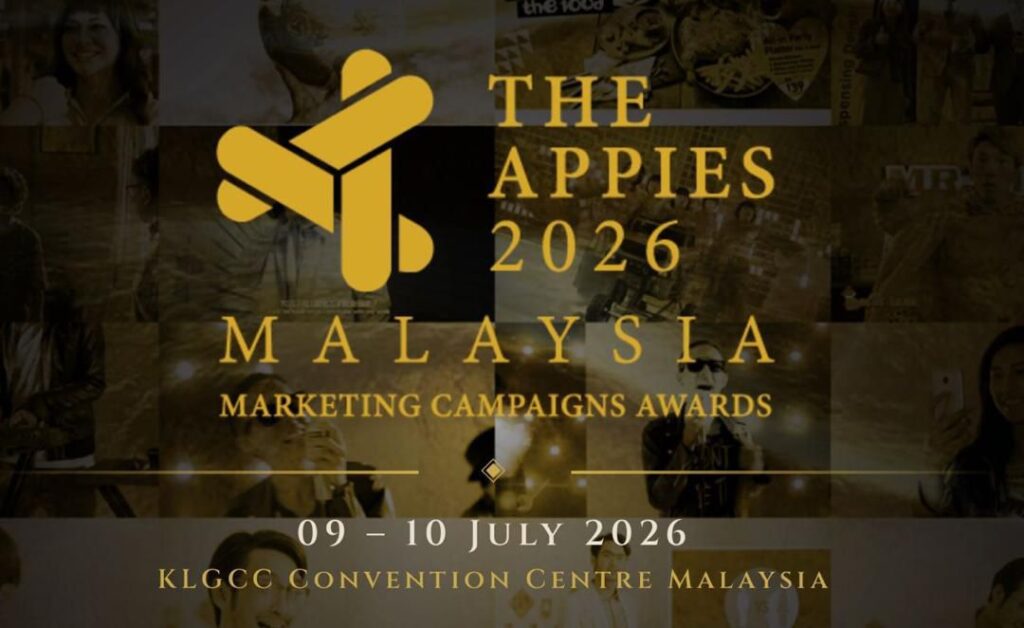
The APPIES is where Malaysia’s boldest campaigns, brightest ideas, and most impactful storytellers take the stage.
More than an awards show, it is the industry’s ultimate platform for creative, media, digital and marketing excellence, where live presentations meet live judging.
This is your chance to showcase work that moved audiences, shaped conversations, and delivered real results.
From breakthrough brand campaigns to innovative digital experiences, the APPIES celebrates the work that defines the future of marketing.
Step into the spotlight alongside the industry’s leading agencies, brands, creatives, strategists and changemakers.
Whether you are aiming for Gold, Silver, Bronze or the prestigious Best of the Best recognition, this is your moment to make history.
Your campaign deserves to be seen.
Your ideas deserve the stage.
Your work deserves the legacy.
KEY DATES
Haven’t subscribed to our Telegram channel yet? Don’t miss out on the hottest updates in marketing & advertising!