For decades, Malaysia’s brain drain was spoken about like a slow leak. Talent out. Value lost.
This week in Parliament, the narrative shifted.
Responding to a motion in the Dewan Rakyat on the need to introduce a Critical Occupation Remuneration Act, Deputy Health Minister Datuk Lukanisman Awang Sauni offered a reframing — not merely about salaries or public sector pay structures, but about how Malaysia is rethinking the entire movement of its skilled workforce.
His message was clear —Malaysia is moving from brain drain to brain circulation.
And that shift matters far beyond government service or policy papers.
It cuts straight into the country’s industry, brand and creative economy.
From Salary Structures to Talent Strategy
The original question in Parliament was about whether Malaysia needs a special law to ensure better remuneration for critical occupations — essentially, higher pay to stop talent from leaving.
But instead of promising a new Act, Lukanisman pointed to a different approach:
One that doesn’t just block the exit door — but builds smarter bridges back in.
He highlighted initiatives like:
This is not just a workforce strategy. This is a redesign of Malaysia’s relationship with its global talent.
Why the Marketing and Creative Industry Should Care
On the surface, this sounds like government economics.
In reality, it’s a major industry opportunity — especially for marketing, communications, creative and tech-driven sectors.
Here’s why.
For too long, Malaysian agencies and brands have complained about losing talent to Singapore, Australia and the UK.
Now the government isn’t just asking them to come home — it’s creating mechanisms for them to contribute even if they don’t return permanently.
This changes the game.
A Malaysian brand strategist in London can advise local brands remotely. A UX designer in Singapore can collaborate on Malaysian projects without uprooting. A creative technologist in Melbourne can plug into Malaysian campaigns, ecosystems and investments.
That’s not brain drain. That’s talent circulation.
And for agencies struggling with capability gaps, this is like suddenly expanding their talent pool — globally, without global salaries.
JSS—More Than Just an Economic Zone
The Johor–Singapore Special Economic Zone could be one of the most important developments for the industry if approached correctly.
On paper, it offers tax incentives and cost advantages.
In practice, it can become:
If talent can live in Iskandar, work across both markets, and be incentivised to stay Malaysian, the traditional “KL vs Singapore” brain drain argument collapses.
It becomes a shared ecosystem — with Malaysia as a base, not a backup.
The Real Question: Are We Ready For Them?
Since 2011, nearly 5,000 professionals have returned through the REP alone, from over 7,600 approvals. Thousands more now engage through remote contribution under MyHeart.
But the real question for industry is not:
“Are they coming back?”
It’s:
Do our agencies, brands and corporate cultures know how to use them?
Because returning or circulating talent doesn’t want to come back to:
They bring global standards, sharper expectations, and different working rhythms.
If local organisations aren’t ready to absorb that, they won’t lose them physically.
They’ll lose them mentally.
What This Means for Malaysian Brands
The Deputy Minister’s response to the Critical Occupation Remuneration Act debate is bigger than a pay discussion.
It’s a signal— Malaysia is shifting its talent strategy from defensive to networked.
For brands and agencies, this means three things:
From Act to Action
The irony is this— While Parliament debates whether a new Remuneration Act is needed to plug talent leaks…
The government is already moving beyond leaks — towards circulation.
And for Malaysia’s marketing, communications and creative industry, the real work now isn’t waiting for legislation.
It’s redesigning how we collaborate, hire, lead and think.
Because talent is already on the move.
The only question is whether Malaysian brands and agencies are ready to move with it — or keep discussing it long after the wave has passed.
Share Post:


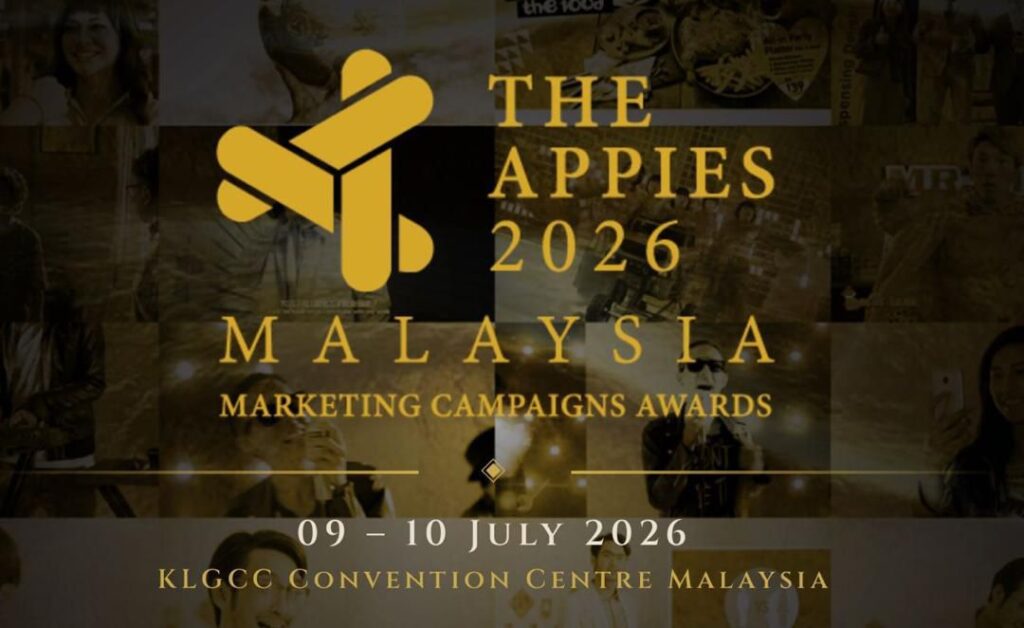
The APPIES is where Malaysia’s boldest campaigns, brightest ideas, and most impactful storytellers take the stage.
More than an awards show, it is the industry’s ultimate platform for creative, media, digital and marketing excellence, where live presentations meet live judging.
This is your chance to showcase work that moved audiences, shaped conversations, and delivered real results.
From breakthrough brand campaigns to innovative digital experiences, the APPIES celebrates the work that defines the future of marketing.
Step into the spotlight alongside the industry’s leading agencies, brands, creatives, strategists and changemakers.
Whether you are aiming for Gold, Silver, Bronze or the prestigious Best of the Best recognition, this is your moment to make history.
Your campaign deserves to be seen.
Your ideas deserve the stage.
Your work deserves the legacy.
KEY DATES
Haven’t subscribed to our Telegram channel yet? Don’t miss out on the hottest updates in marketing & advertising!