By Hamanoid
Once upon a time, brands ruled the social web. They had followers, pages, likes, engagement rates and a smug sense of control. Then, somewhere in the algorithmic fog, Facebook Groups rose like underground societies: private, passionate, and impossible to police.
What started as hobbyist hangouts became digital echo chambers of influence. In Malaysia, there’s a group for everything – from “Parents Against Homework” to “KL Foodie Deals” to “Used Luxury Bags Under RM1K.”
Millions belong to these micro-communities, but no brand owns them. No agency tracks them. And no algorithm can rescue you once your name gets dragged through their comment threads.
This is the sinister side of social: where trust has migrated from brands to peers, and opinions spread faster than official statements. One unverified screenshot or snarky post in a closed group can do more damage than a month of paid media can fix.
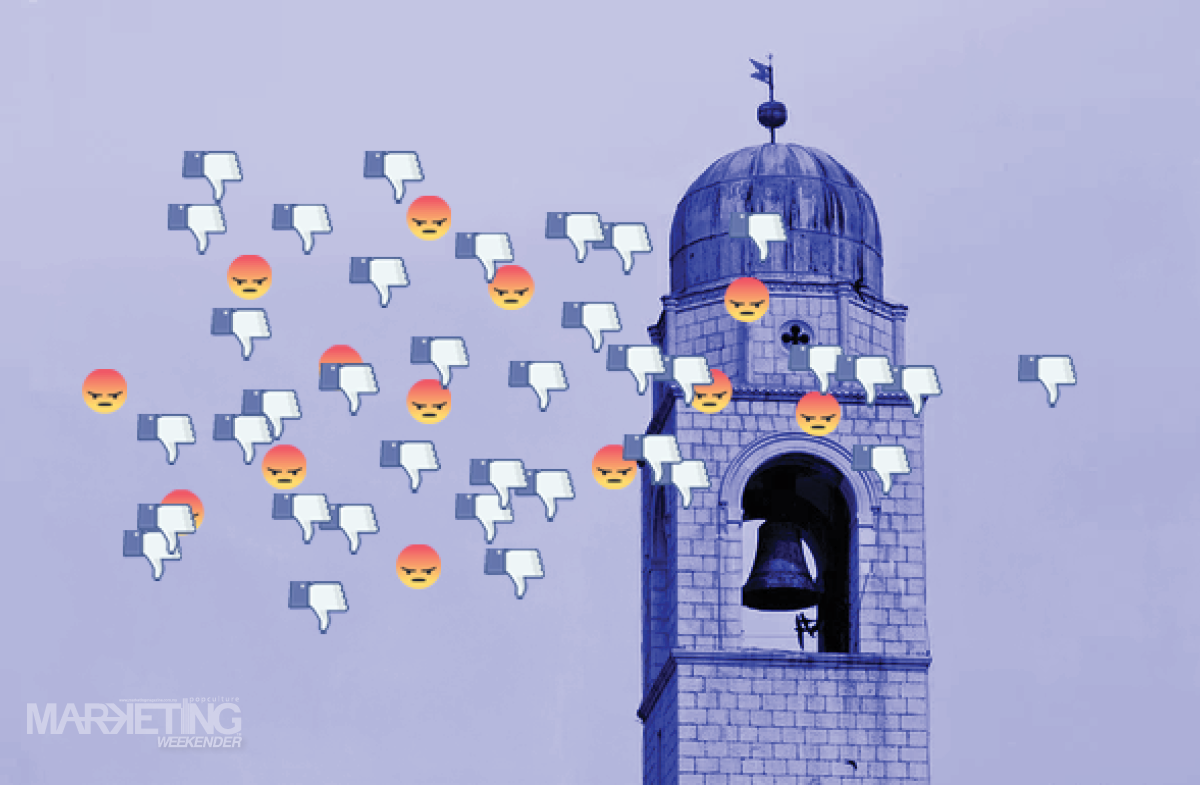
Forget trolls. These are digital tribunals – populated by believers, cynics and brand-burners who never forget a bad experience.
The truth is, Facebook Groups have become the new neighbourhood gossip fence, except now the fence spans continents. It’s where narratives are formed long before journalists, influencers, or marketers ever hear of them.
A disgruntled customer doesn’t write to customer service anymore – she uploads proof to a group of 200,000 like-minded strangers and lets the outrage economy do the rest.
For brands, this represents a shift from reach to reputation risk.
You can boost posts, optimise reels, and buy programmatic love, but you can’t infiltrate trust. And trust has gone underground.

Even more dangerous? The admins of these groups. They’re not influencers; they are gatekeepers. Armed with anonymity and authority, they decide who gets amplified and who gets annihilated.
Many have monetised access, quietly selling post approvals, reviews, and visibility in what can only be described as the black market of attention.
The algorithm doesn’t decide your fate here – humans do. And humans have long memories.
Ironically, brands helped create this monster.
In chasing “authentic engagement,” they trained consumers to rely on peer validation. Now, that validation lives outside their ecosystem, immune to corporate spin.
The once-glorious “brand page” is now a digital ghost town, while the real conversations – and confessions – happen in private threads filled with emojis, screenshots and unfiltered fury.
What’s the play now? Silence won’t save you. Neither will sponsored posts.
Brands must reclaim authenticity by showing up where it’s uncomfortable – with humility, transparency and a human voice.
Don’t send statements; send apologies. Don’t craft content; craft connection.
Because in 2025, your biggest competitor isn’t another brand.
It’s a Facebook Group with an opinion and a screenshot.
And if you think that’s exaggeration, go check what they’re saying about you right now.