The marketing playbook is being rewritten in real time as generative AI assistants like ChatGPT, Gemini, and Perplexity become the new gatekeepers of information. For brands, this shift is both a risk and an opportunity: the answers consumers receive from these tools are shaping purchase decisions, brand perception, and even long-term loyalty.
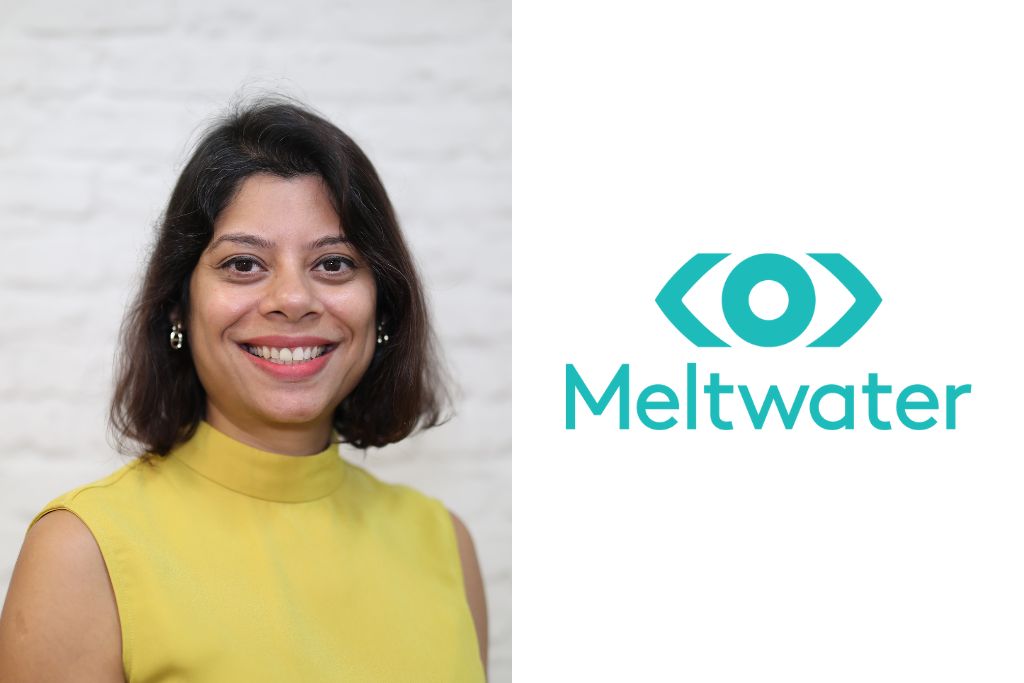
To unpack what this means for marketers in APAC and beyond, we spoke with Upali Dasgupta, Senior Marketing Director for Meltwater, Asia Pacific and Japan, who shares why AI-driven discovery can no longer be ignored — and what CMOs must do today to stay ahead.
Why should marketers care what ChatGPT or Gemini says about their brand?
Generative AI has become the new front door to brand discovery. Instead of scrolling through Google or comparison sites, people increasingly ask assistants like ChatGPT or Gemini and often take the answer as fact.
SimilarWeb says that already, over 60% of global searches end without a click to a website, showing that the path to brand information is bypassing traditional channels. In APAC, Deloitte states that nearly 70% of consumers say they’re comfortable using AI for product research, which means this shift will only accelerate from here.
The implication is clear that beyond just serving up content, AI is rewriting how consumers evaluate and decide. When someone in Kuala Lumpur asks, “Which skincare brand works best in humid weather?” or a professional in Singapore asks, “Is this EV reliable for city driving?”, the answer provided shapes perception in that moment. If your brand is absent or misrepresented, the AI algorithm can take control of the story.
Marketers can no longer ignore this frontline of influence because AI is quietly shaping how people discover and evaluate brands.
If an AI assistant gets it wrong, how can brands fight back?
The instinct is to chase down every inaccuracy. But research from MIT shows false information spreads up to six times faster than the truth, which means brands must do more than play defense. They also need to shape the information AI draws from at the source.
Step one: keep websites, press rooms, and product pages fresh, factual, and evergreen. If AI has access to reliable content, the chance of error drops. Step two: expand beyond SEO and SEM into generative engine optimisation (GEO), ensuring content is not only discoverable by people but also easily surfaced and referenced by AI assistants.
Vigilance is becoming just as important as visibility. Search intelligence can’t stop at Google rankings or TikTok searches anymore; it has to include what LLMs surface. Keeping an eye on how assistants like ChatGPT, Gemini, or Perplexity describe your brand helps ensure the story remains accurate.
If you’re not monitoring what ChatGPT, Gemini, or Perplexity are saying about your brand, you’re letting others write your story for you. Spotting misinformation or disinformation early can address issues before they spread.
The brands that build this discipline into their workflows will be better positioned to protect their reputations where it matters most: in the spaces where people increasingly turn for answers.
Are years of SEO/SEM investment at risk of becoming irrelevant?
Years of SEO and SEM investment aren’t about to become irrelevant, but stopping there would be incomplete. From what we’ve seen so far, generative engine optimisation (GEO) isn’t defined by an entirely new playbook. It builds squarely on the foundations of SEO.
The difference lies in what matters to AI. Where SEO chases rankings, GEO focuses on being in the answer. Where SEO relies on keywords and backlinks, GEO rewards statistics, quotes, and high-authority sources. And while SEO optimises for visits, GEO optimises for visibility within AI-generated responses.
But here’s the catch: GEO algorithms are a black box and will keep evolving. That’s why it’s no longer enough to monitor search rankings or social chatter. Marketers need to actively track what LLMs are saying, from the summaries they generate to the sources they cite when your brand or your competitor is mentioned. That’s how you can see if the investment you’ve made in your content is actually shaping the answers consumers now trust.
Who owns brand perception now — the CMO or the algorithm?
It might sound provocative to say that algorithms now shape brand perception. But the truth is, they always have. Search engines, news feeds, social media platforms — each has used algorithms to decide what gets seen, and smart CMOs have learned how to work within those systems to their brand’s advantage.
The same is true of today’s AI assistants. Yes, their algorithms influence how brands appear in responses and summaries. But cracking the algorithm alone won’t define perception. That still comes down to the fundamentals: a brand story that is credible, consistent, and compelling.
In APAC, we’ve already seen how quickly marketers adapted to mobile-first behaviors and social commerce booms, turning algorithmic shifts into growth opportunities. The same agility will be needed with AI. The task for CMOs is to use every channel, from traditional media to search, from social platforms to AI assistants, to deliver that story at the right time, with the right message.
The algorithm may be powerful, but it’s still only a tool. The brand narrative remains in the CMO’s hands.
Will “AI optimisation” become the next big marketing discipline?
AI optimisation is not likely to become a discipline in its own right, but it will be a new skill that marketers need to master. Just as SEO reshaped how we thought about content and discoverability, optimising for AI assistants will reshape how we think about brand visibility.
The difference is that large language models pull from a much wider set of sources. That forces marketers to look at their efforts more holistically. It is not enough to fine-tune keywords or backlinks. You need to ensure your brand story shows up consistently across websites, articles, earned media, and even public data.
My hope is that this shift will reinforce the importance of long-term brand investment. If AI assistants are drawing from everything that is said and written about you, then credibility and consistency matter more than ever. And that, in turn, could ease the pressure on short-term demand generation tactics, allowing marketers to build stronger brands for the future.
What’s the one urgent step CMOs must take today?
The most urgent step is to start with an audit.
This is becoming part of what search intelligence means today. Understanding what AI algorithms surface about your brand creates an opportunity to shape the story being told. Platforms like Meltwater are already evolving to help brands track mentions, monitor narratives across AI assistants, and uncover the sources that shape perception. As CMOs start to explore these capabilities, they will be better positioned to see how AI can serve as an asset rather than a challenge.
Share Post:

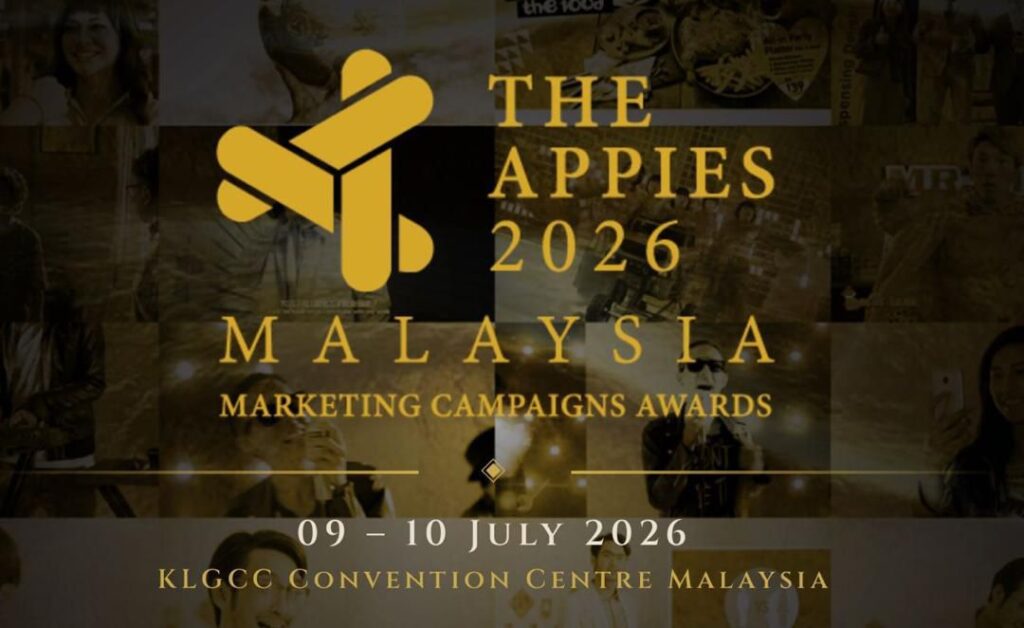
The APPIES is where Malaysia’s boldest campaigns, brightest ideas, and most impactful storytellers take the stage.
More than an awards show, it is the industry’s ultimate platform for creative, media, digital and marketing excellence, where live presentations meet live judging.
This is your chance to showcase work that moved audiences, shaped conversations, and delivered real results.
From breakthrough brand campaigns to innovative digital experiences, the APPIES celebrates the work that defines the future of marketing.
Step into the spotlight alongside the industry’s leading agencies, brands, creatives, strategists and changemakers.
Whether you are aiming for Gold, Silver, Bronze or the prestigious Best of the Best recognition, this is your moment to make history.
Your campaign deserves to be seen.
Your ideas deserve the stage.
Your work deserves the legacy.
KEY DATES
Haven’t subscribed to our Telegram channel yet? Don’t miss out on the hottest updates in marketing & advertising!