Inside Microsoft, the rapid pivot to AI has coincided with workforce reductions and reorganisations, leaving many employees uneasy. Sources cited by Futurism say morale is low, with some staff concerned their roles could be automated or made redundant as AI systems become more capable.
Microsoft chief executive Satya Nadella is now urging his leadership team to stay vigilant as artificial intelligence reshapes the technology industry, warning that even a company of Microsoft’s size could lose relevance if it fails to adapt.
Nadella has sought to reassure teams that AI is a tool to enhance human productivity rather than simply replace jobs.
Yet he remains blunt about the danger of complacency. “The risk isn’t just competition,” he told colleagues. “The risk is obsolescence.”
At the same time, the company is making enormous financial and strategic bets on AI, funnelling tens of billions of dollars into infrastructure, talent, and partnerships to ensure it remains a dominant force in the next era of computing.
Haunted by the Past
According to reporting by Futurism, Nadella frequently invokes the cautionary tale of Digital Equipment Corporation (DEC), a 20th-century computing powerhouse that collapsed after failing to anticipate industry shifts. He warns that Microsoft must not repeat DEC’s mistake of clinging to legacy products as technology changes around it.
“Some of the products we’ve loved for decades might not matter in the future,” Nadella told senior leaders, underscoring his belief that Microsoft’s continued success depends on a willingness to reinvent—even if that means abandoning longstanding favourites.
High Stakes in the AI Race
Microsoft has been a key driver of the current AI boom through its multi-billion-dollar partnership with OpenAI, the maker of ChatGPT.
The company has integrated OpenAI’s large language models into flagship products such as Office 365 and the Bing search engine, while building vast data-center capacity to meet surging demand.
Industry analysts estimate that Microsoft is committing as much as $80 billion to expand its AI infrastructure, including next-generation cloud servers and specialised chips.
At the same time, competition for top machine-learning researchers has intensified, pushing salaries and signing bonuses to unprecedented levels.
Those investments carry risks. OpenAI itself has signalled an interest in shifting to a more traditional for-profit structure, a move that could strain the unique partnership between the two companies.
And while Microsoft’s revenue from AI services is growing, the technology’s long-term profitability is still unproven.
A Balancing Act
For Microsoft, the challenge is to remain a leader in a technology that could redefine its business while avoiding the fate of companies that once seemed invincible. Industry veterans note that Microsoft has reinvented itself before—transitioning from its Windows-and-Office roots to become a cloud-first enterprise under Nadella’s decade of leadership.
But the pace of AI advancement, and the capital required to stay ahead, present a new level of pressure. Investors and employees alike are watching to see whether Microsoft can manage the delicate balance between aggressively pursuing AI and maintaining the products and services that still generate the bulk of its revenue.
As Nadella’s internal warnings suggest, the company is betting that bold moves today will secure its relevance tomorrow.
Whether that bet pays off may determine if Microsoft’s name continues to dominate technology—or becomes another case study in how quickly innovation can upend even the most powerful incumbents.
Source: Adapted from reporting by Futurism.
Share Post:

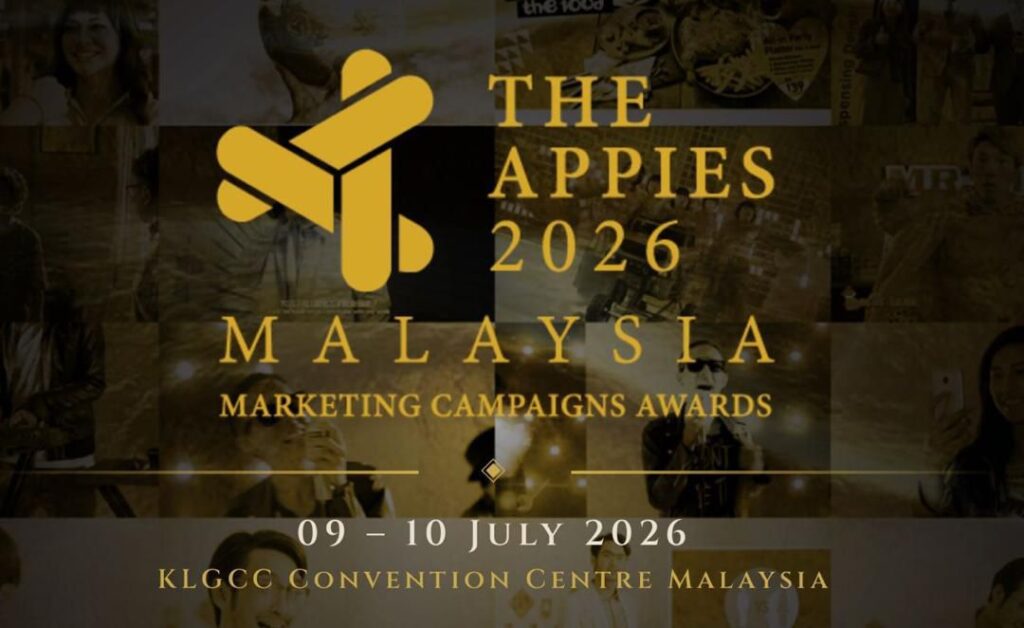
The APPIES is where Malaysia’s boldest campaigns, brightest ideas, and most impactful storytellers take the stage.
More than an awards show, it is the industry’s ultimate platform for creative, media, digital and marketing excellence, where live presentations meet live judging.
This is your chance to showcase work that moved audiences, shaped conversations, and delivered real results.
From breakthrough brand campaigns to innovative digital experiences, the APPIES celebrates the work that defines the future of marketing.
Step into the spotlight alongside the industry’s leading agencies, brands, creatives, strategists and changemakers.
Whether you are aiming for Gold, Silver, Bronze or the prestigious Best of the Best recognition, this is your moment to make history.
Your campaign deserves to be seen.
Your ideas deserve the stage.
Your work deserves the legacy.
KEY DATES
Haven’t subscribed to our Telegram channel yet? Don’t miss out on the hottest updates in marketing & advertising!