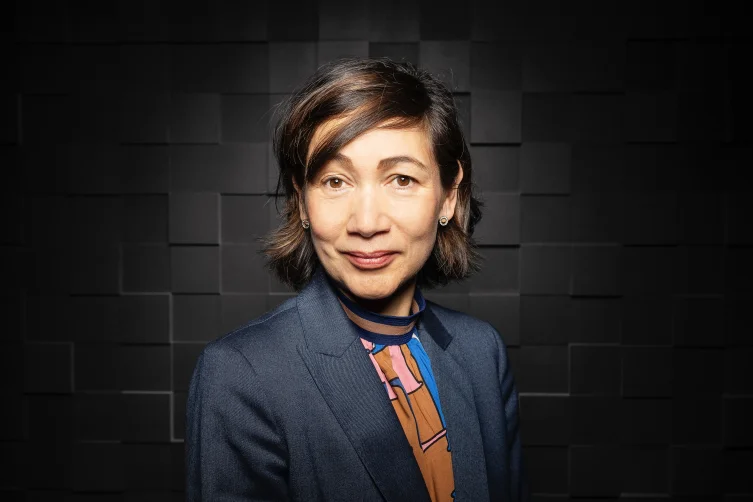
By India Fizer
Havas Germany’s Sandra Onofri talks co-creation, complexity, and the rise of the living brief
With AI embedded at every stage of the creative process, the role of the brief and the strategist is evolving fast. Sandra Onofri, Chief Strategy Officer at Havas Germany, explores how the briefing process is becoming more intelligent, immersive, and collaborative, and why the strategist’s job is to lead the way forward.
How are client briefs evolving in 2025, and what’s prompting that shift?
In 2025, we’re witnessing a fascinating duality in the evolution of client briefs. On one hand, briefs are becoming more anchored in precision, with clearly defined KPIs and business outcomes. That’s no surprise, given the pressure many marketing teams face to prove their impact and defend their strategic value within the organization.
On the other hand, we’re also seeing a rise in briefs that articulate complex business challenges without a clear creative mandate. These are often rich in context but light on direction – making it hard to bridge the gap between what needs solving and what needs doing.
This growing contrast points to a deep structural tension: leaner marketing teams, often with fewer senior voices, are navigating an increasingly fragmented ecosystem of agencies, platforms and technologies. In this environment, it’s not just about responding to briefs anymore. It’s about helping shape them and becoming the strategic partner who brings clarity where it’s needed most.
We’re seeing more co-creation at the briefing stage — how does this change the dynamic between strategist, creative, and client?
Co-creation at the briefing stage is transforming the traditional agency-client dynamic into something far more collaborative and generative. It’s no longer about handing over a document and waiting for ideas to come back. When done right, it becomes a shared act of discovery where strategist, creative and client sit not across from each other, but side by side at a round table.
This way of working creates alignment much earlier and opens space to uncover what’s truly at stake. It allows us to interrogate the “problem behind the problem” together and ensures the brief is not just a document, but a strategic ignition point. And maybe most importantly: it builds shared ownership. In a world that demands both agility and authenticity, that kind of partnership isn’t just helpful, it’s essential.
With real-time data now a constant part of campaign planning, how is it influencing the way briefs are shaped and refined? Are there any other resources or partners that you bring in to inform and assist in delivering a campaign?
Real-time data isn’t just something we look at after launch anymore, it’s shaping ideas from the very beginning. At Havas, our Converged.AI operating model brings data and AI into the process right from the start, changing the way we shape, test and refine campaign strategies.
One example we’re particularly excited about is Person.AI, which enables us to engage with synthetic representations of our target audiences early on. We can simulate conversations, test content resonance and explore behavioral nuances before a single asset is produced. It’s like having a living, breathing focus group embedded in the creative process, supercharging both speed and relevance.
As AI and automation become more embedded in strategy and creative, how do you see the briefing process evolving in the next five years?
From my perspective, the briefing process is on the cusp of a creative renaissance. As AI and automation become more deeply woven into our ways of working, briefs are set to become more dynamic, more immersive and more intelligent.
We’re shifting away from static documents toward living ecosystems, where briefs evolve in real time, enriched by data flows and audience feedback. In this new landscape, the strategist’s role will be less about writing the brief and more about orchestrating the conditions for insight, creativity and innovation to thrive.
And perhaps most excitingly, the format of the brief itself will transform. Imagine briefing experiences delivered as short films, interactive simulations or even immersive environments – designed not just to inform, but to inspire. In this future, AI won’t replace the strategist; it will amplify our ability to provoke, to connect and to create.
Share Post:
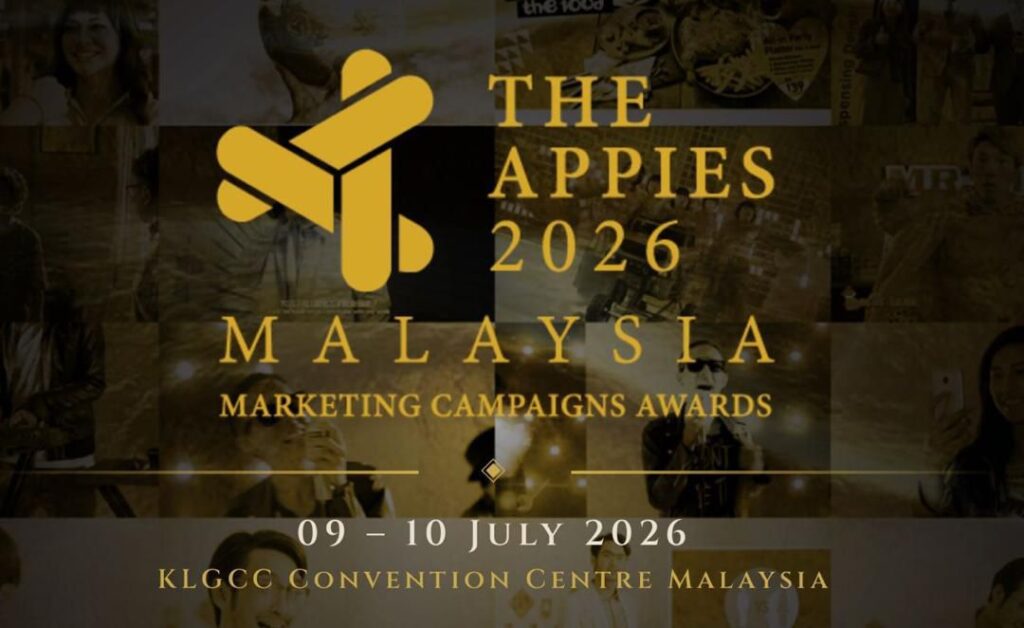
The APPIES is where Malaysia’s boldest campaigns, brightest ideas, and most impactful storytellers take the stage.
More than an awards show, it is the industry’s ultimate platform for creative, media, digital and marketing excellence, where live presentations meet live judging.
This is your chance to showcase work that moved audiences, shaped conversations, and delivered real results.
From breakthrough brand campaigns to innovative digital experiences, the APPIES celebrates the work that defines the future of marketing.
Step into the spotlight alongside the industry’s leading agencies, brands, creatives, strategists and changemakers.
Whether you are aiming for Gold, Silver, Bronze or the prestigious Best of the Best recognition, this is your moment to make history.
Your campaign deserves to be seen.
Your ideas deserve the stage.
Your work deserves the legacy.
KEY DATES
Haven’t subscribed to our Telegram channel yet? Don’t miss out on the hottest updates in marketing & advertising!