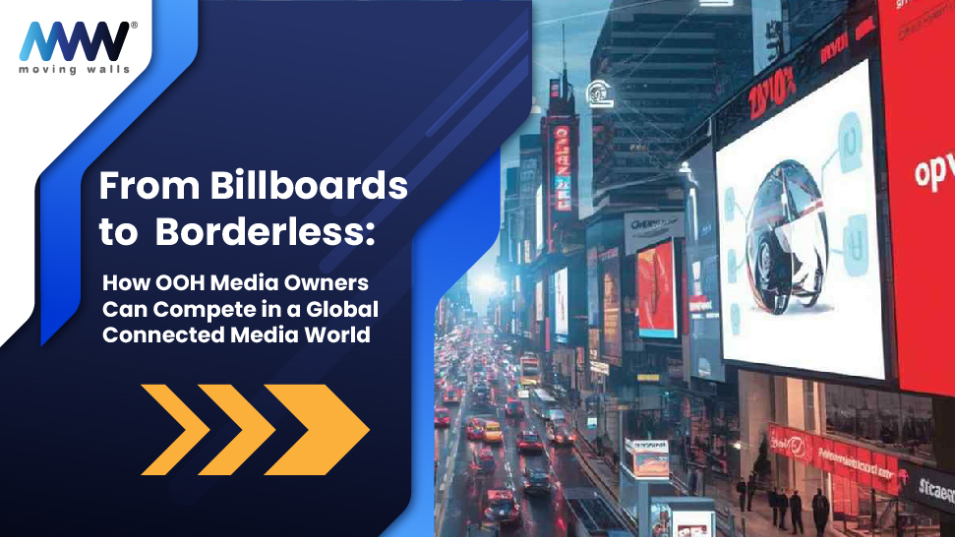
By Srikanth Ramachandran, Founder & CEO of Moving Walls Group
For decades, out-of-home (OOH) advertising was defined by its hyperlocal roots. Media owners were specialists, sometimes in a single city, a single format, or even a single location like an airport or train station. The business was built brick by brick, billboard by billboard.
A few giants like JCDecaux scaled into true global networks, while others such as Clear Channel expanded internationally before retrenching back into local strongholds. But for the vast majority, OOH remained a game of local expertise rather than global ambition.
The New Reality: OOH is “GlOOHing”
That model no longer holds. The way brands buy media has fundamentally shifted. Campaigns are no longer confined to one city or one country, they are multi-city, regional, and increasingly global. Call it “GlOOHing”: OOH going global.
Marketers today want consistency. They need campaigns that can cut across markets and formats while still delivering measurable outcomes. And they want trusted partners who can help them achieve this, not just suppliers of space, but partners in storytelling and scale.
At the same time, advertising budgets are moving differently. Estimates suggest that 50–60% of spend now flows outside traditional agency groups and directly into platforms and partners. For OOH owners, this is both a warning and an opening. The days of simply selling spots are over. The future belongs to those who can move up the value chain from trading media to solving client problems.
Moving Beyond Trading: Platforms and Partnerships
Many OOH owners have responded by setting up trading businesses: buying inventory on behalf of clients when needed. But trading is reactive, limited, and hard to scale. It keeps the focus on transactions, not transformation.
The real leap comes with platforms and partnerships.
Platforms let media owners combine their own inventory with that of partners, building multi-market media plans seamlessly. They automate bookings, deliver creative, verify proof of play, and generate real-time reporting, turning scattered assets into a single, connected ecosystem. To clients, partner inventory feels like an extension of your own network.
Partnerships make that scalable. Other industries have shown the way. Telecom operators embraced MVNO models, where one brand runs on another’s network. Later, telcos went further, pooling towers into shared “TowerCos.” The lesson is clear: collaboration isn’t just about sharing, unlocking new scale, efficiency, and revenues that no single player could achieve alone.
Together, platforms and partnerships turn media owners into more than sellers. They turn them into solution providers.
The Future: OOH Everywhere, Connected to Everything
Look a little further ahead, and the picture gets even bigger. The future of OOH is not only regional or global, it’s everywhere, connected to everything.
Every campaign, whether on TikTok, YouTube, or inside retail media networks becomes more powerful when extended into the physical world. We’re already seeing early signals: TikTok’s “Out-of-Phone” model, DSPs embedding OOH into programmatic buys, fintech apps exploring loyalty-driven OOH. These are glimpses of what’s coming.
Soon, OOH will live inside hundreds of digital ecosystems:
OOH won’t be an afterthought. It will be the default bridge between digital intent and real-world impact.
For OOH media owners, the message is clear: we are moving from billboards to borderless. Staying local is no longer enough. To compete in a global, connected media world, owners must embrace partnerships, build on platforms, and reimagine themselves not as space sellers but as problem solvers.
Those who make this leap will do more than capture bigger budgets. They will position OOH as the indispensable connector in tomorrow’s media landscape, the place where the digital world meets the physical one.
Share Post:

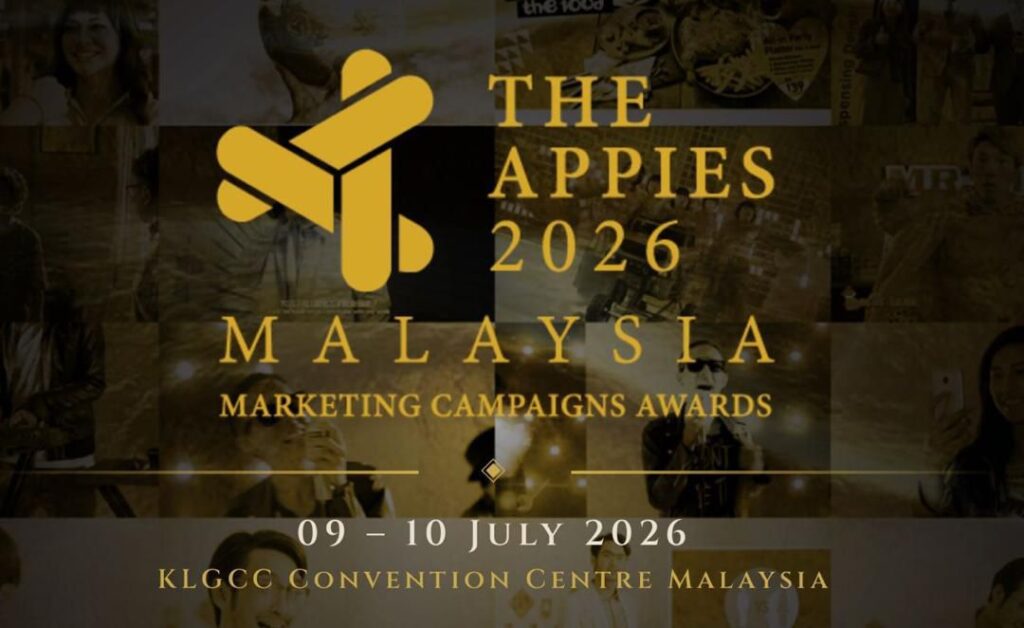
The APPIES is where Malaysia’s boldest campaigns, brightest ideas, and most impactful storytellers take the stage.
More than an awards show, it is the industry’s ultimate platform for creative, media, digital and marketing excellence, where live presentations meet live judging.
This is your chance to showcase work that moved audiences, shaped conversations, and delivered real results.
From breakthrough brand campaigns to innovative digital experiences, the APPIES celebrates the work that defines the future of marketing.
Step into the spotlight alongside the industry’s leading agencies, brands, creatives, strategists and changemakers.
Whether you are aiming for Gold, Silver, Bronze or the prestigious Best of the Best recognition, this is your moment to make history.
Your campaign deserves to be seen.
Your ideas deserve the stage.
Your work deserves the legacy.
KEY DATES
Haven’t subscribed to our Telegram channel yet? Don’t miss out on the hottest updates in marketing & advertising!