Every April, in the city of Kawasaki, something remarkable happens.
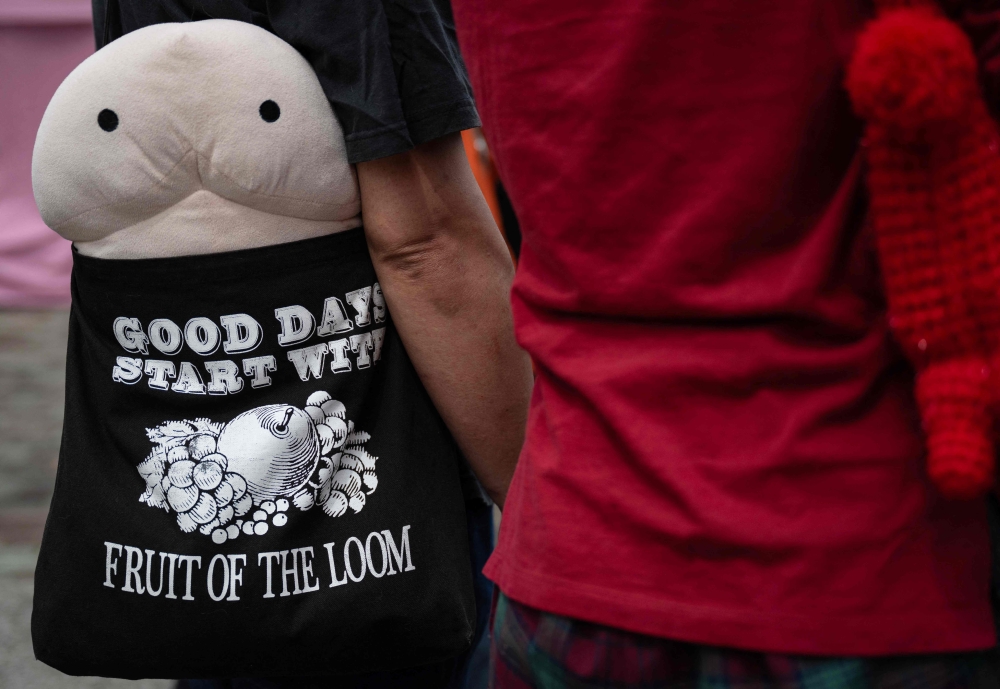
Streets fill with laughter. Tourists lean in, cameras ready. Families stroll alongside couples, some curious, some amused. At the centre of it all, carried with almost ceremonial pride, are oversized phallus-shaped shrines.
This is Kanamara Matsuri, a festival that, on the surface, looks like a cheeky spectacle. Stay a little longer, and it reveals something far more layered.
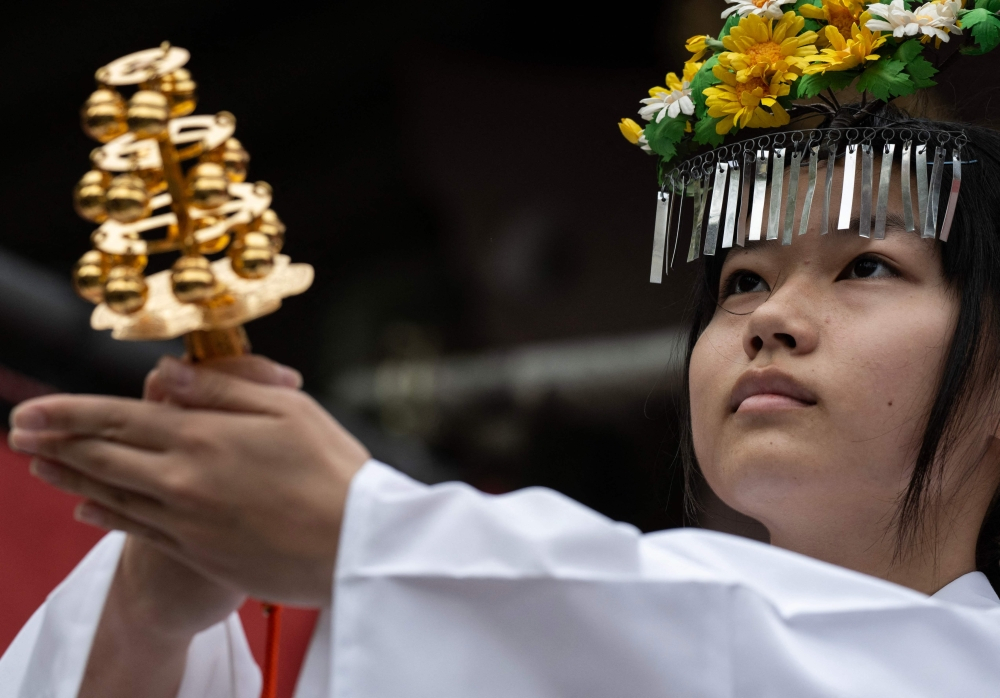
The parade begins at Kanayama Shrine, where worshippers gather long before the crowds arrive. There’s ritual here. Reverence, even.
The origins are not designed for Instagram. They go back to Japan’s Edo period, when legend tells of a demon hiding within a woman, injuring men on their wedding night. A blacksmith forged an iron phallus to defeat it.
What followed became folklore and eventually, faith.
For centuries, sex workers came here quietly, seeking protection from disease. Fertility, safety, healing was the language of the shrine long before it became a spectacle. Today, the same symbolism remains. It’s just louder, brighter, and shared.
When Taboo Becomes Theatre
From pink sweets to souvenir trinkets, the festival leans into its own absurdity. But the tone never tips into vulgarity. It’s playful, yes. But also, oddly wholesome.
Visitors laugh, but not nervously. Children don’t flinch. LGBTQ groups show up in full colour. No one seems particularly embarrassed. That’s the shift.
In many cultures, sex is still wrapped in silence or moral anxiety. Here, it’s reframed as something communal, even celebratory. Not stripped of meaning but stripped of shame.
A Country Confronting Its Own Reality
There’s another layer beneath the laughter. Japan’s birth rate has been falling for a decade. Fewer families. Fewer children. A growing national anxiety about the future.
Against that backdrop, a festival like this begins to feel less quirky and more intentional. Not policy. Not propaganda. But cultural expression. A reminder that intimacy, fertility, and human connection shouldn’t be pushed to the margins.
What Brands Keep Getting Wrong
Marketers love to talk about “breaking taboos”. Most do it with a sledgehammer. Shock ads. Forced provocation. Campaigns that confuse noise with bravery.
Kanamara Matsuri offers a different playbook. It doesn’t shout. It invites. It doesn’t lecture. It disarms.
It takes a subject many cultures tiptoe around and wraps it in humour, history, and shared experience. The result isn’t outrage. It’s participation. People don’t just watch. They join.
The Real Lesson
What makes this festival endure isn’t the symbolism. It’s the framing.
Context gives permission. Ritual creates safety. Humour softens resistance. Suddenly, something once considered uncomfortable becomes approachable. That’s not just cultural nuance. That’s brand strategy.
Because the most powerful ideas don’t force people to confront discomfort head-on. They create an environment where people choose to engage.
In Kawasaki, every spring, thousands gather around an idea that many societies still struggle to discuss openly. And they don’t argue about it.
They smile. They laugh. They carry it through the streets. Which, for marketers, might be the most important lesson of all.