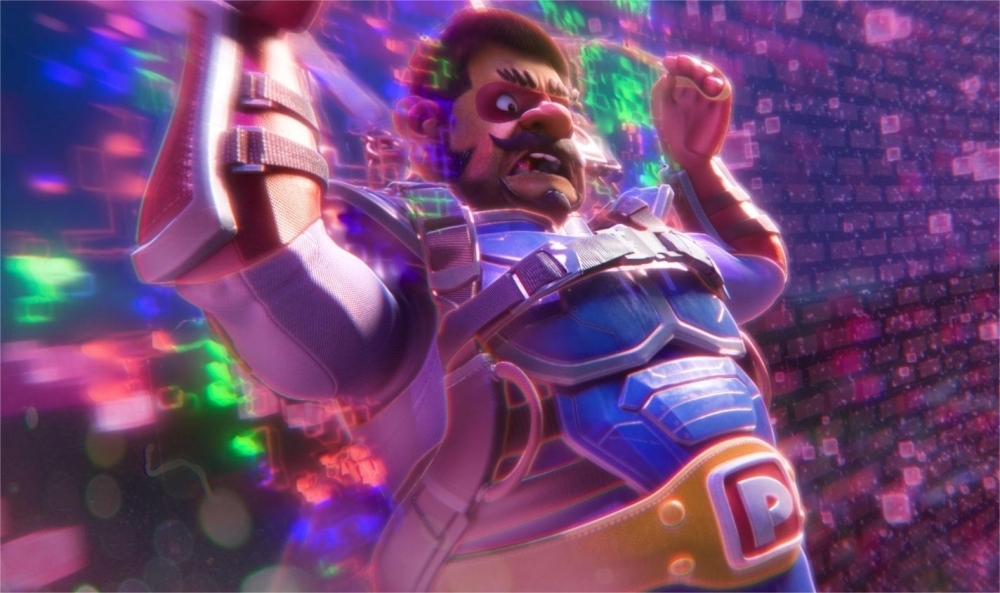
When Papa Zola The Movie crossed the RM10 million mark within its first week in cinemas, it did more than notch up a commercial milestone.
It quietly rewrote a long-held assumption in Malaysia’s creative industry: that local animation works best when it plays safe, skews young, and avoids uncomfortable truths.
Produced by MONSTA Studio and Astro Shaw, Papa Zola is not just another animated success story.
It is a cultural signal — one that marketers, brand owners, and content strategists would be unwise to ignore.
From Children’s Content to Adult Truths
At the heart of the film’s success is a creative decision that feels obvious in hindsight but radical in practice: placing an adult character, with adult anxieties and contradictions, at the centre of an animated narrative.
In doing so, MONSTA broke away from the familiar formula of child-centric protagonists and moral simplicity.
Instead, Papa Zola leans into the messiness of real life — ambition, sacrifice, pressure, and the quiet compromises that define adulthood.
For audiences, the response has been visceral. Social media reactions speak less about spectacle and more about recognition. Viewers are not merely entertained; they feel seen.
Director and MONSTA CEO Nizam Abd Razak has described the response as proof that this is “our story, born from the realities of life.”
That sentiment explains why the film’s so-called “truth phenomenon” has travelled so quickly online.
People share it because it mirrors conversations they are already having — about success, responsibility, and emotional fatigue.
For marketers, this is a powerful reminder that resonance, not novelty, drives impact.
In a market saturated with content engineered for virality, Papa Zola succeeds by doing something far less fashionable: it trusts the audience’s emotional intelligence.
Why This Matters for Brands and Storytellers
Astro Shaw’s executive producer Raja Jastina Raja Arshad has highlighted how audiences are sharing personal experiences after watching the film. That detail matters.
It suggests the movie has crossed the line from content to conversation — a line many brand campaigns aspire to but rarely achieve.
The timing, ahead of school holidays, may boost footfall, but the emotional depth is what sustains momentum beyond opening-week hype.
This success also reinforces MONSTA Studio’s broader trajectory.
Having built mass appeal through BoBoiBoy and Mechamato, the studio is now demonstrating that scale and maturity are not mutually exclusive.
The pipeline from children’s IP to adult-relevant storytelling mirrors what global animation giants have long understood — that animation is not a genre, but a medium.
From a branding perspective, Papa Zola offers three quiet lessons.
First, local stories, when told honestly, travel further than expected — as evidenced by the film’s upcoming releases across Southeast Asia, India, and the Middle East.
Second, audiences are ready for complexity, even — especially — in formats traditionally seen as “light.”
And third, cultural confidence pays dividends. There is no attempt here to dilute Malaysian realities for international palates; the universality comes from specificity.
In an era where brands talk endlessly about “purpose” and “authenticity,” Papa Zola The Movie shows what those words look like when executed without self-consciousness.
It does not lecture. It observes. It does not chase trends. It trusts truth.
In doing so, it proves something far more valuable than box office viability: that Malaysian animation — and by extension Malaysian storytelling — can be commercially successful without leaving its soul behind.
Share Post:

Haven’t subscribed to our Telegram channel yet? Don’t miss out on the hottest updates in marketing & advertising!