For decades, marketers have lived comfortably with a quiet understanding: advertising images are aspirational, not literal.
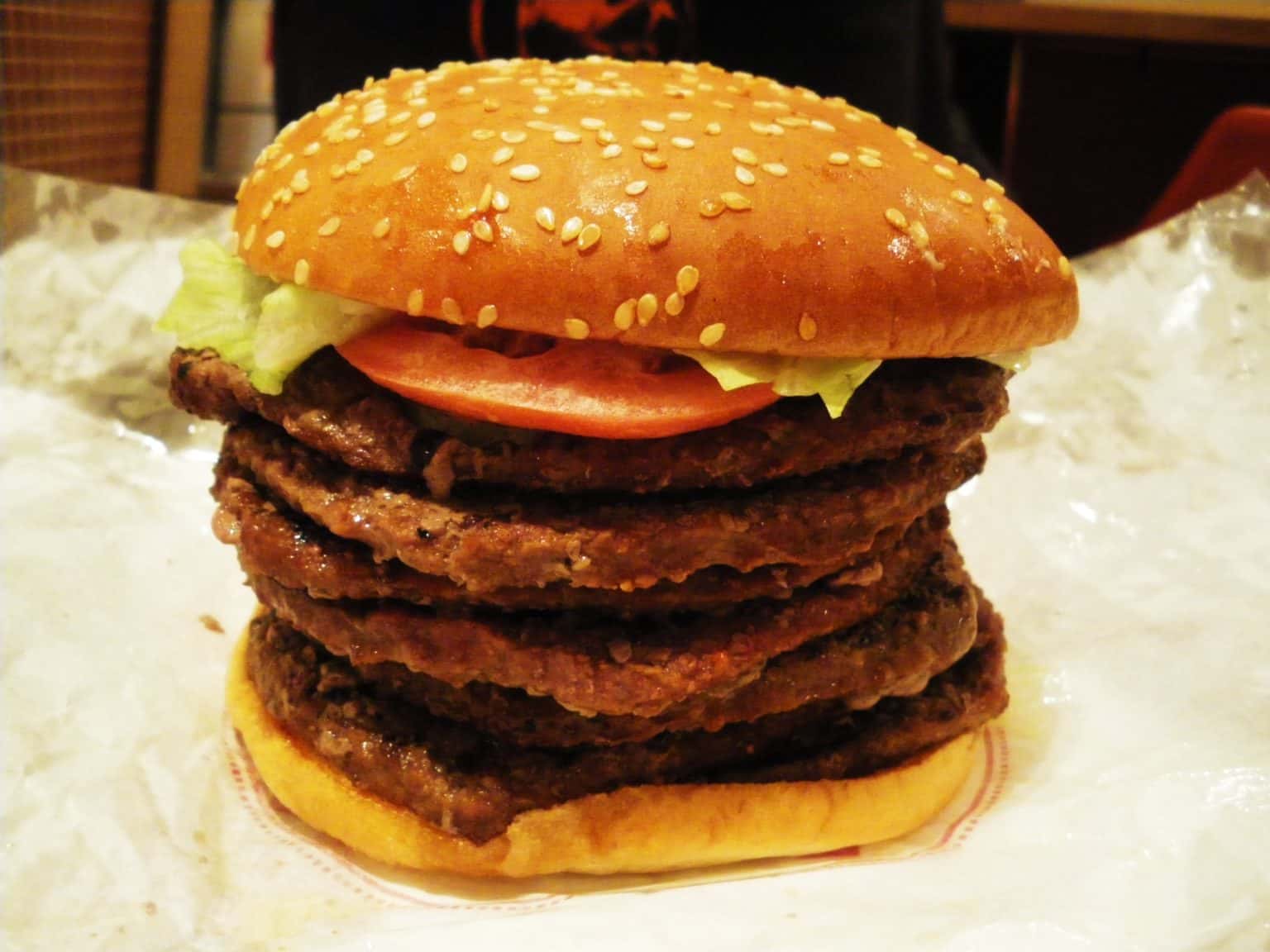
Burgers are taller, fries glossier, drinks colder. Consumers know the game.
Brands play it. Nobody sues.
Until now.
The class action lawsuit facing Burger King over the visual presentation of its flagship Whopper is not just a courtroom curiosity.
It is a cultural stress test for modern marketing — one that asks whether the long-standing “everyone knows ads exaggerate” defence still holds in an age of hyper-visual scrutiny.
At its core, this case is not about taste. Taste is subjective and legally slippery.
Size, however, is measurable. And that distinction may prove pivotal.
From Puffery to Proof
Burger King’s argument is familiar and, until recently, largely unchallenged: reasonable consumers understand food photography is styled.
Nobody expects the burger in their hand to look exactly like the hero shot on a billboard.
The judge’s refusal to dismiss the case suggests something has shifted.
The question is no longer whether exaggeration exists, but how much is too much. At what point does stylisation become a factual claim?
This is where the Whopper case becomes uncomfortable for marketers.
The plaintiffs are not arguing semantics or slogans.
They are arguing images. Pure visual persuasion — the very currency of modern brand communication.
The Instagram Effect on Expectations
Twenty years ago, advertising imagery lived mostly on billboards and TV screens.
Today, it sits side-by-side with unfiltered user photos on Instagram, TikTok, Google reviews, and delivery apps.
The consumer sees the ad, then immediately sees the “real” version — often from the same angle.
That collapse of distance between brand promise and lived experience has raised expectations.
The tolerance gap has narrowed.
What once felt like harmless puffery now risks being interpreted as misrepresentation, especially when the product’s defining attribute — in this case, size — is the very thing being amplified.

Why Fast Food Is a Legal Canary
Fast food brands are particularly exposed because they sell standardised products at scale.
A luxury brand can argue uniqueness. A fast-food chain sells sameness.
When millions receive roughly the same burger, visual discrepancies become easier to document, compare, and litigate.
That is why similar lawsuits against Subway, Taco Bell, and McDonald’s keep resurfacing — and why courts are now more willing to listen.
This is not about punishing creativity.
It is about accountability catching up with visual dominance.
The Real Risk Isn’t Damages — It’s Precedent
Even if Burger King ultimately prevails or settles quietly, the signal has already been sent.
Visual claims are no longer immune from scrutiny simply because they are images.
For marketers, this introduces a new discipline: visual substantiation.
Not legal footnotes. Not disclaimers.
But an internal reckoning over how far art direction can stretch reality before it creates legal exposure.
The irony is that the Whopper has survived cultural shifts, menu wars, and meme cycles precisely because of its mythic stature.
This lawsuit threatens to turn that mythology into a measuring tape.
What This Means for Brands
The takeaway is not to stop making food look delicious.
It is to recognise that imagery has crossed from suggestion into perceived promise.
In 2026, the image is the claim.
And when pictures become promises, marketing is no longer just persuasion.
It is evidence.