By The Malketeer
Adidas Originals has found itself at the centre of a cultural appropriation storm.
The controversy erupted over the Oaxaca Slip-On, a collaboration with acclaimed US fashion designer Willy Chavarria.
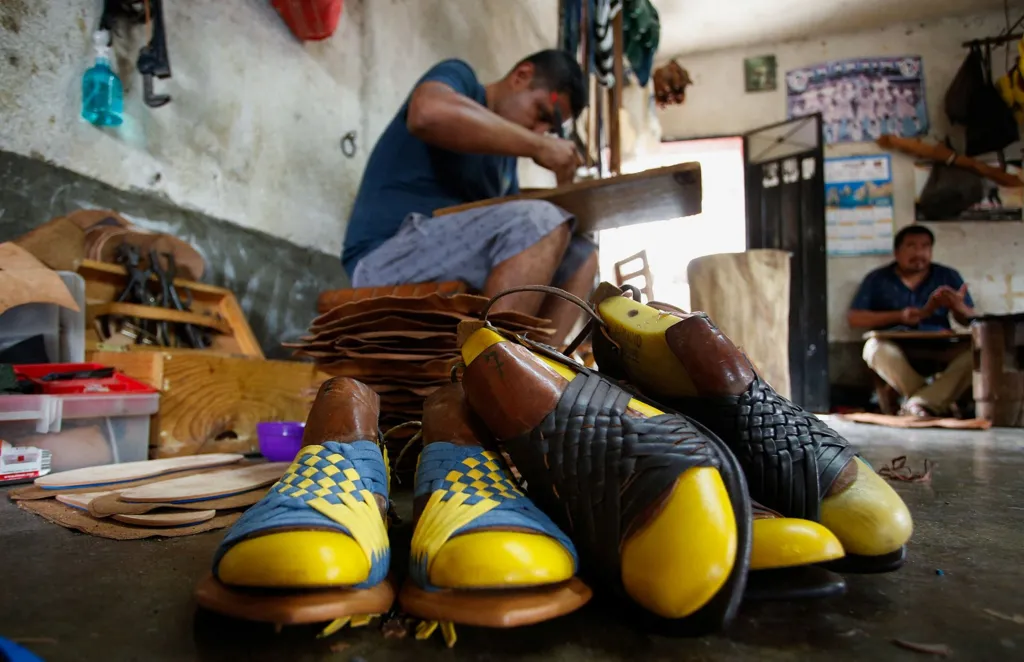
The shoe took inspiration from huaraches – traditional leather sandals crafted for generations by Indigenous artisans in Oaxaca, Mexico.
No one from those communities was consulted and the shoes were reportedly manufactured in China.
The people whose heritage inspired the design received no credit – or compensation.
A Global Brand, a Local Backlash
Mexico’s president, Claudia Sheinbaum, publicly condemned the move.
“Big companies often take products, ideas and designs from Indigenous communities,” she told reporters.
Mexico’s Ministry of Culture echoed her concerns, with Deputy Culture Minister Marina Núñez confirming Adidas had been contacted about restitution.
It wasn’t just a political point. It was a cultural one.
These huaraches are more than footwear – they carry history, identity, and craftsmanship honed over centuries.
The Apologies
Chavarria issued a personal apology, saying he was “deeply sorry” and admitting the design “fell short of the respect and collaborative approach” Oaxaca and its Zapotec community deserved.
“Love is not just given – it is earned through action,” he wrote.
Adidas, in its own statement, acknowledged the misstep.
The brand expressed “recognition and value” for the cultural richness of Mexico’s Indigenous heritage, and committed to a “respectful dialogue” with the community of Villa Hidalgo Yalálag to “honour their cultural legacy.”
Promotional images of the slip-ons have since been removed from both Adidas’ and Chavarria’s channels.
Why This Matters for Creatives
This is not the first time a major brand has stumbled into the appropriation debate – and it won’t be the last.
But the fallout offers important lessons for the creative and marketing community.
Global inspiration comes with responsibility.
In the age of hyper-connected audiences, brands cannot claim ignorance of cultural origins.
Nor can they separate product aesthetics from their socio-political contexts.
What may be seen as ‘homage’ in a mood board can become theft in the court of public opinion.
More importantly, authenticity is no longer just a brand positioning tool. It’s a compliance issue, a trust issue, and a reputational safeguard.
From Tokenism to True Partnership
Consultation isn’t a checkbox. Nor is “inspiration” a licence to repackage heritage without consent.
Collaborating directly with source communities isn’t just ethically sound – it’s also a powerful brand asset.
Imagine if Adidas had co-created with Oaxacan artisans from day one, sharing profits, spotlighting makers, and weaving genuine cultural exchange into the campaign.
The result would not just have been a shoe – it could have been a global celebration of heritage.
Instead, this episode has become a case study in what happens when good intentions skip essential steps.
The Bigger Picture
In a world where marketing narratives are dissected instantly on social media, brands need to move beyond aesthetic borrowing.
Respect, collaboration, and reciprocity are no longer nice-to-haves. They are table stakes.
For creatives, the challenge is to ensure that cultural storytelling is not just visually compelling, but also socially accountable.
The story behind the product matters as much as the product itself.
Share Post:

Haven’t subscribed to our Telegram channel yet? Don’t miss out on the hottest updates in marketing & advertising!