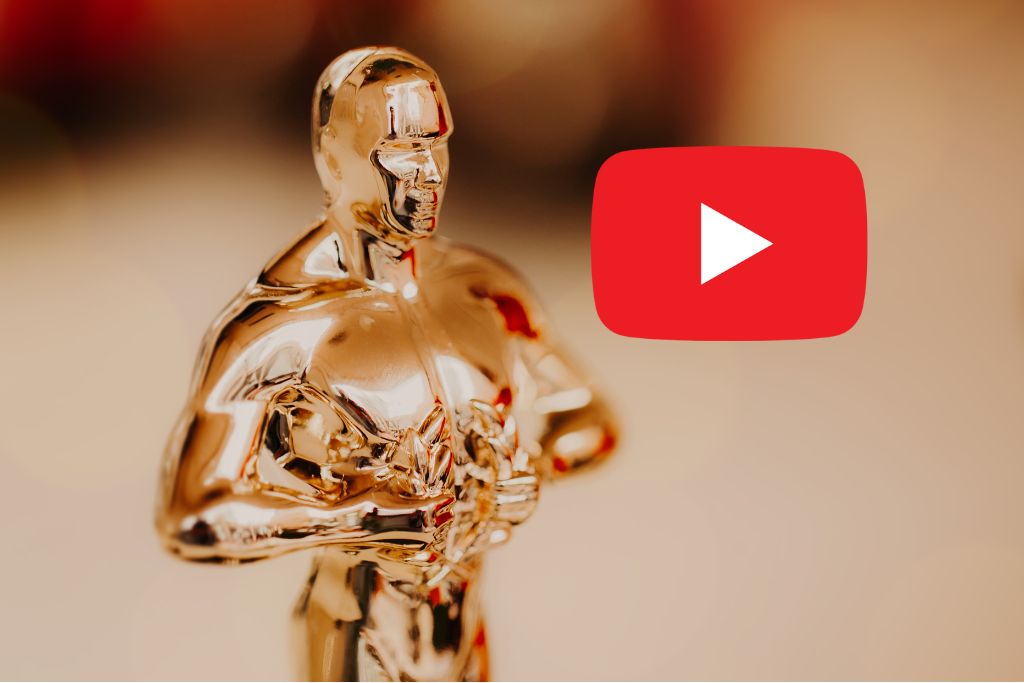
In a move that would have been unthinkable even a decade ago, the Academy Awards will stream exclusively on YouTube from 2029, ending its long-standing broadcast partnership with ABC.
More than a distribution shift, the decision marks a symbolic handover: from traditional television to platform-led culture, from appointment viewing to algorithmic reach.
For the film industry, this is not merely about where audiences watch. It is about who controls attention.
The Oscars have long functioned as Hollywood’s most powerful brand asset — a global showcase of prestige, craft, and cultural relevance.
By choosing YouTube, the Academy is betting that relevance today is measured not by legacy broadcasters, but by reach, data, and participatory engagement at global scale.
From Broadcast Prestige to Platform Gravity
For over half a century, ABC served as the Oscars’ broadcast home, anchoring the ceremony firmly within the television era. That era is now decisively ending.
YouTube today commands the largest share of television viewing time in the United States, eclipsing even Netflix — and doing so across age groups that linear TV has steadily lost.
The Academy framed the new deal as a way to reach “the largest worldwide audience possible”. For marketers, that phrasing is telling. This is not a creative decision; it is a distribution and growth decision.
YouTube does not simply broadcast events. It amplifies, fragments,repackages, and recirculates them. Acceptance speeches become Shorts. Red-carpet moments turn into reaction videos. Awards-night buzz lives on through creators, clips, memes, and algorithmic discovery long after the live stream ends.
In short, the Oscars are no longer a single-night event. They are becoming a content ecosystem.
What This Signals for Premium Content
Hollywood has historically been wary of platforms — concerned about shortened theatrical runs, opaque algorithms, and the erosion of the “big screen moment”.
Yet acceptance has been creeping in. Apple’s CODA winning Best Picture in 2022, and Netflix securing exclusive rights to the SAG Awards, were early signals.
The YouTube deal accelerates that trajectory. It suggests that prestigecontent no longer needs traditional gatekeepers to command attention or legitimacy.
What matters is discoverability, global scalability, and relevance within modern viewing habits.
For brands, this shift mirrors what has already happened in advertising: premium storytelling now lives alongside, not above, creator culture.

A Marketing Lesson Hidden in Plain Sight
Perhaps the most instructive aspect of this deal is what it says about audience behaviour.
The Oscars once drew over 40 million viewers in the US alone. Recent years saw numbers dip sharply, before a modest rebound — aided, notably, by simultaneous streaming on Hulu.
Younger audiences did not abandon film. They abandoned formats that no longer fit how they consume culture.
By moving to YouTube, the Academy is acknowledging a reality marketers already understand: attention follows platforms, not tradition.
The End of “TV Moments” as We Knew Them
Come 2029, the Oscars will still have glamour, stars, and speeches. What they will no longer have is a single screen, a single feed, or a single way to watch.
For the marketing industry, this is less about Hollywood’s future — and more about our own.
The biggest cultural moments ahead will not be broadcast to audiences. They will be activated with them.
And that may be the most Oscar-worthy performance of all.