At the annual gathering of power suits and polite platitudes known as the World Economic Forum (WEF), it is not every day that a pair of sunglasses becomes the breakout star.
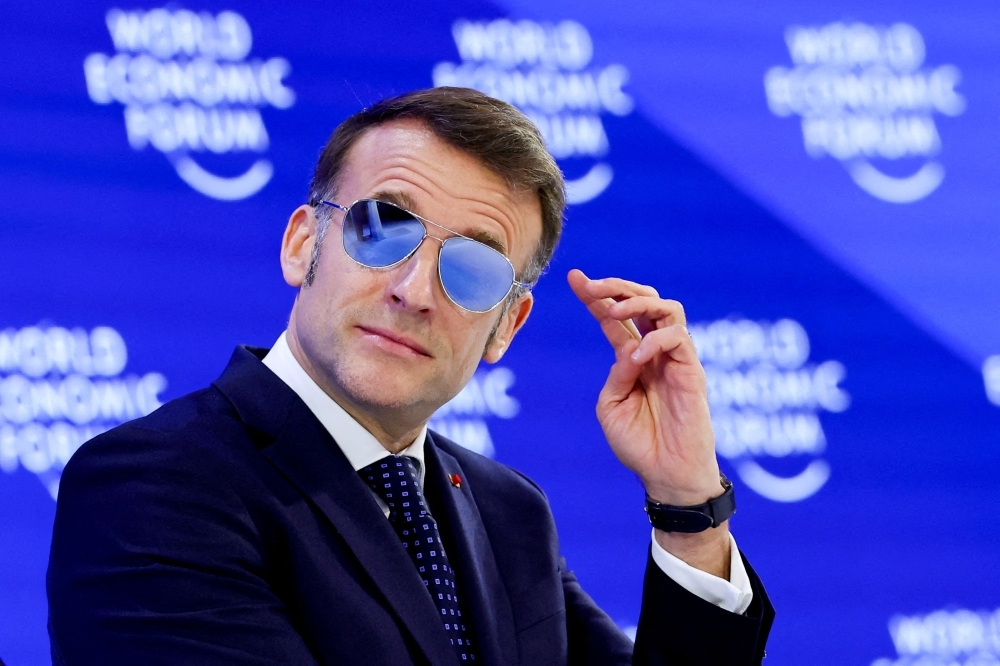
Yet that is precisely what happened when French President Emmanuel Macron arrived in Davos wearing aviator shades—officially due to an eye infection, unofficially triggering one of the most accidental brand moments of 2026.
Within hours, the glasses had eclipsed policy discussions, trade forecasts, and AI panels.
Photographs of Macron in his aviators dominated front pages. Social media did what it always does best: amplify, meme, debate—and shop.
And somewhere in France, a small luxury eyewear brand was suddenly dealing with the kind of “problem” most marketers only dream of.
The Power of Unpaid Endorsement
The sunglasses in question belong to Henry Jullien, a heritage label better known among connoisseurs than mass consumers.
The brand produces roughly 100 units a year of the Pacific model Macron wore.
After Davos? They are contemplating producing ten times that.
The company’s website temporarily crashed under the weight of enquiries. Emails flooded in. Instagram lit up. All without a single euro spent on media.
No launch plan. No influencer seeding. No paid partnership.
Just a global leader wearing the product at exactly the wrong—or right—moment.
This is earned media in its purest, most uncontrollable form.

When Attention Becomes Brand Equity
What makes this moment especially instructive for marketers is not the spike in demand—it is the quality of attention.
Macron’s glasses were not framed as a fashion statement engineered by a stylist or brand deal.
They were contextual, human, and slightly awkward.
That imperfection made them believable. And belief, not polish, is what converts attention into brand equity.
Even the ridicule helped.
Jokes comparing Macron to Top Gun and commentary from critics only extended the story’s lifespan.
The glasses became a cultural reference point, not just a product.
For Henry Jullien, this is the holy grail: cultural relevance without brand dilution.
Trump, Tom Cruise, and the Amplification Loop
The moment escalated when Donald Trump, never one to miss a rhetorical flourish, referenced the “beautiful sunglasses” in his own Davos speech.
At that point, the story crossed from fashion curiosity into global spectacle.
For the brand, this created a perfect amplification loop:
Each layer reinforced the last.
Lessons for Brands Watching from the Sidelines
For marketers, the takeaway is not “hope a president wears your product.” That is not a strategy.
The lesson is structural:
Henry Jullien did not scramble to distance itself or over-explain.
It simply acknowledged the moment, leaned into pride, and let the product speak.
In an era where brands spend millions manufacturing relevance, this was relevance that arrived uninvited—and stayed.
Sometimes, the most powerful branding moment is not planned in a boardroom.
It walks onto the world stage wearing sunglasses.