By The Malketeer
When a nation steps onto the world stage, everything from pavilion design to cultural storytelling is a statement.
For Malaysia, Expo 2025 Osaka was supposed to be just that — a proud showcase of innovation, trade excellence, and cultural diplomacy.
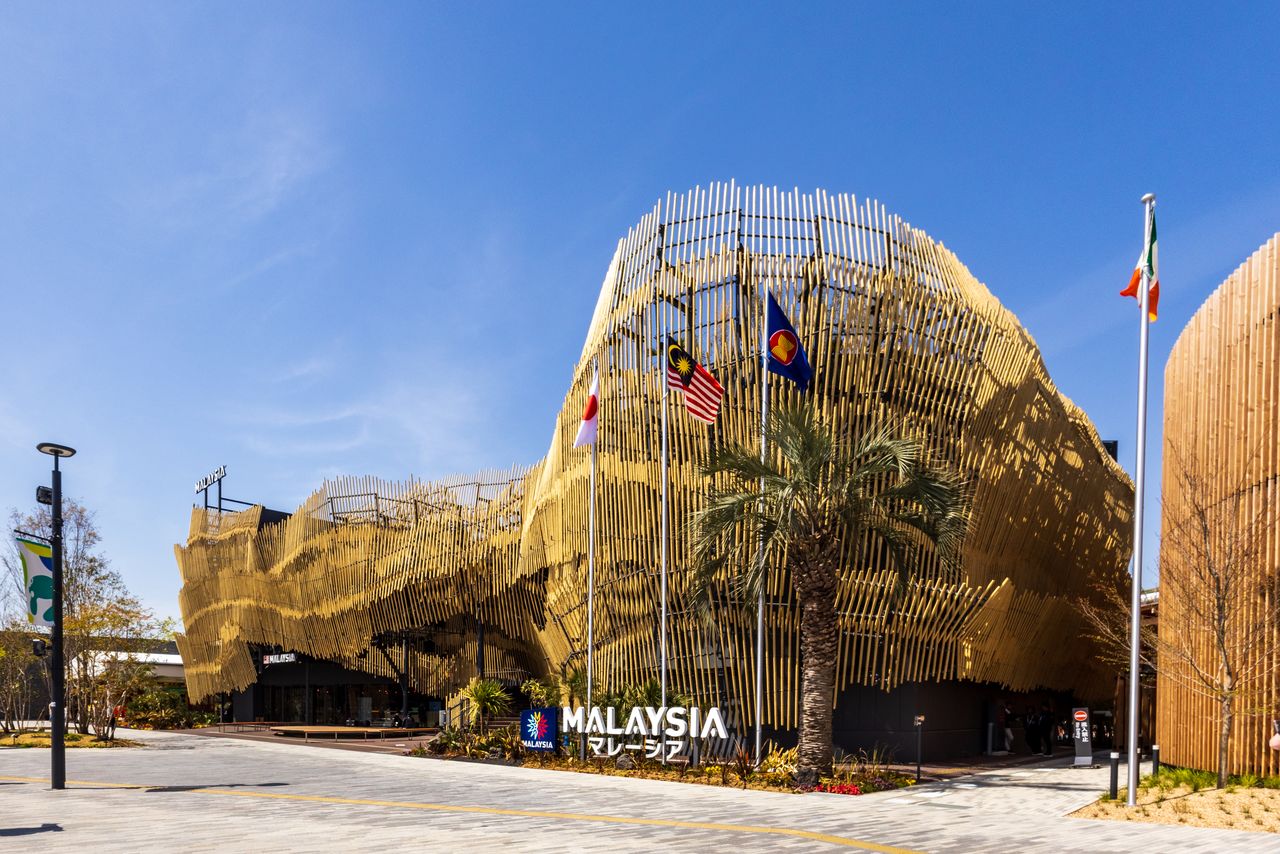
Instead, a cloud of controversy now looms over the Malaysia Pavilion, following allegations that a private firm’s design was used without consent or credit.
The company in question, Current Media Group, has accused the Ministry of Investment, Trade and Industry (MITI) of utilising its design concept for the Pavilion without acknowledgment or remuneration.
The issue surfaced online and quickly escalated, prompting both political scrutiny and public debate.
Responding in Parliament, Miti Minister Tengku Datuk Seri Zafrul Abdul Aziz confirmed that the ministry had completed its internal investigation and is now in active discussions with the aggrieved party to resolve the matter amicably.
“This is important to ensure that Malaysia’s participation in Expo 2025 Osaka is not affected,” said Tengku Zafrul, adding that all parties involved — including consultants, contractors, and service providers — were appointed through the proper procurement process.
That clarification, however, does little to comfort Malaysia’s creative community.
Creative IP: Still a Grey Area?
For local creatives, the story feels all too familiar.
Murky procurement processes.
Pitch ideas lifted with no follow-up.
Work presented “for reference only” that somehow ends up in the final product.
While the minister assures the Dewan Rakyat that procedures were followed, the perception of impropriety still hangs heavy.
“What’s at stake here isn’t just a payment dispute. It’s about trust in the system,” remarked one agency head who requested anonymity.
“If even a world expo project risks misattribution, what hope do smaller creatives have?”
A Teachable Moment — If We’re Willing
The marketing and advertising industry in Malaysia must see this as a clarion call.
Government projects, especially high-impact international ones, cannot afford to cut corners on creative ethics.
Respecting intellectual property isn’t a bonus — it’s a baseline.
Tengku Zafrul assured Parliament that internal guidelines will be further refined to strengthen oversight in selecting implementation partners for projects with global visibility.
It’s a welcome move, but one that must be matched by industry-wide vigilance.
Rebuilding Confidence, One Brief at a Time
If Malaysia is to position itself as a global hub for creative excellence — from advertising to architecture — then fair treatment and due credit must be foundational principles.
Not just within Miti, but across all government-linked tenders and collaborations.
“Transparency, accountability and integrity,” are the minister’s own words.
The Expo debacle now puts that commitment to the test.
For Brands and Agencies: Lessons in Due Diligence
The Expo Pavilion dispute also offers key takeaways for local agencies and marketing partners:
Miti has promised to streamline internal controls and prevent similar issues from recurring.
But more importantly, this episode should inspire a broader conversation: How can Malaysia foster a culture where creativity is not only welcomed, but protected and celebrated?
As we edge closer to Expo 2025, let’s ensure that what represents Malaysia abroad is not just a physical structure — but a principled stand for originality, ownership, and honouring the people behind the ideas.
Because in branding a nation, the message is only as credible as the methods used to craft it.
Share Post:

Haven’t subscribed to our Telegram channel yet? Don’t miss out on the hottest updates in marketing & advertising!