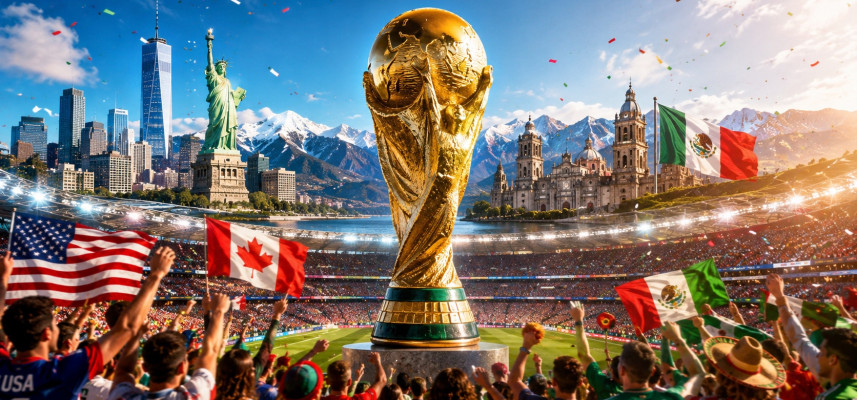
Every four years, the World Cup arrives wrapped in the language of joy.
Flags flutter from apartment balconies. Sleep schedules collapse. Mamak restaurants become temporary embassies of hope and heartbreak. Rivals become brothers for 90 minutes. Beer flows. Brands rejoice.
For marketers, it is usually a simple equation: football equals emotion, emotion equals attention, attention equals business. Except this World Cup feels different.
As the 2026 FIFA World Cup kicks off across the United States, Canada and Mexico, the football promises spectacle. But beyond the goals, chants and tactical battles, another tournament is quietly unfolding — one fought through diplomacy, reputation, ideology and perception.
The game on the pitch may still matter. Yet increasingly, the louder contest is happening off it.
Because in 2026, football is no longer merely sport. It is geopolitics wearing football boots. And for brands, that changes everything.
When Football Stops Being Neutral
Consider the unlikely tension surrounding seemingly ordinary group-stage matches.
A fixture between Qatar and Switzerland carries lingering shadows from corruption probes and scrutiny surrounding Qatar’s 2022 hosting legacy.
Spain facing Saudi Arabia evokes uncomfortable questions around “sportswashing”, football investment and the kingdom’s global rebranding ambitions.
France versus Senegal quietly reopens conversations around colonial memory, migration and identity.
Even the seemingly harmless United States versus Australia clash arrives against a backdrop of AUKUS frustrations and strategic defence anxieties.
The World Cup has always reflected the world. But today’s world feels unusually combustible. Brands know this.
A tournament once marketed as universal and politically neutral increasingly resembles a global stage where unresolved tensions travel alongside supporters.
For multinational sponsors, neutrality is becoming an expensive illusion.
The World Cup Becomes the World’s Biggest Reputation Theatre
The World Cup is not merely a sporting event. It is arguably the largest live branding exercise on Earth.
Governments use it to build legitimacy. Airlines use it to promote national confidence. Tourism boards use it to reshape perceptions. Beverage companies sell belonging. Technology firms promise seamless connection. Sportswear brands market identity.
Everyone wants a share of football’s emotional halo. But halos are fragile things.
When politics intrudes, sponsors often find themselves standing awkwardly in the middle of conversations they never intended to join.
Imagine a politically charged knockout match. Imagine immigration restrictions preventing supporters from travelling. Imagine diplomatic disputes dominating headlines ahead of a major fixture.
Suddenly, brand campaigns built around togetherness and unity begin to feel disconnected from reality. The advertising script says: The world comes together.
The headlines may say otherwise. That tension matters. Because audiences increasingly expect brands to understand context, not simply chase visibility.
Nation Branding Is the New World Cup Tactic
Perhaps the most fascinating marketing story of this World Cup is not football itself. It is nation branding.
Countries are increasingly using sport to reshape how the world sees them. Saudi Arabia offers one of the clearest examples.
Its vast investments in football from signing global superstars to hosting tournaments and expanding the Saudi Pro League are about far more than sport.
They are an attempt to reposition the country as youthful, modern and globally influential.
Critics call it sports-washing. Supporters call it transformation. Either way, the strategy is unmistakably branding. Qatar attempted something similar in 2022.
For all the criticism around labour rights, corruption allegations and human rights concerns, Qatar also succeeded in introducing itself to millions who previously knew almost nothing about the nation.
The World Cup did not erase criticism. But it undeniably expanded awareness.
That is the paradox of modern reputation management: scrutiny and visibility now arrive together. You cannot buy one without inheriting the other.
Sponsors Are Walking a Tightrope
For marketers, this raises uncomfortable questions.
Can brands remain silent during politically sensitive moments? Should sponsors engage with difficult conversations?
Or should they stay firmly in their lane and focus only on football? There are no easy answers.
Consumers increasingly demand values-driven positioning. Yet taking a stand risks alienating entire markets.
Silence can appear evasive. Speaking up can trigger backlash. The result is what many brand custodians privately fear most: reputational ambiguity.
At a time when audiences scrutinise every corporate gesture, the safest campaign may no longer be the loudest one. Instead, authenticity, empathy and cultural intelligence may become the most valuable currencies of all.
The Fan Experience Is Now the Brand Experience
What happens outside the stadium increasingly matters as much as what happens inside it.
Visa restrictions, border controls, transportation breakdowns, protests or political controversy can quickly spill over into sponsor perception.
If fans struggle, brands feel the consequences.
For airlines, payment providers, hospitality partners, telecom companies and beverage sponsors, the World Cup is not simply media inventory.
It is a live customer experience platform. A bad tournament experience becomes a brand problem.
A magical one becomes marketing gold. Which is why so many global sponsors now think less like advertisers and more like diplomats.
Football Still Matters. But Context Matters More
None of this means the football itself disappears. The drama will still unfold. Underdogs will rise. Giants will stumble. Heroes will emerge from nowhere.
But the 2026 World Cup arrives at a moment when audiences are more politically aware, socially conscious and digitally vocal than ever before.
Every handshake, protest, sponsorship and diplomatic signal risks becoming part of the narrative.
For marketers, perhaps the biggest lesson is this: The World Cup is no longer simply a media buy.
It is a reputation minefield wrapped in the world’s most beloved sporting event. Brands once entered football to borrow emotion.
Today, they must also navigate ideology.Because in this World Cup, the fiercest battles may not happen inside the penalty box.
They may unfold in the fragile space between perception and reality. “I” n branding, perception has always been the final score.
Share Post:

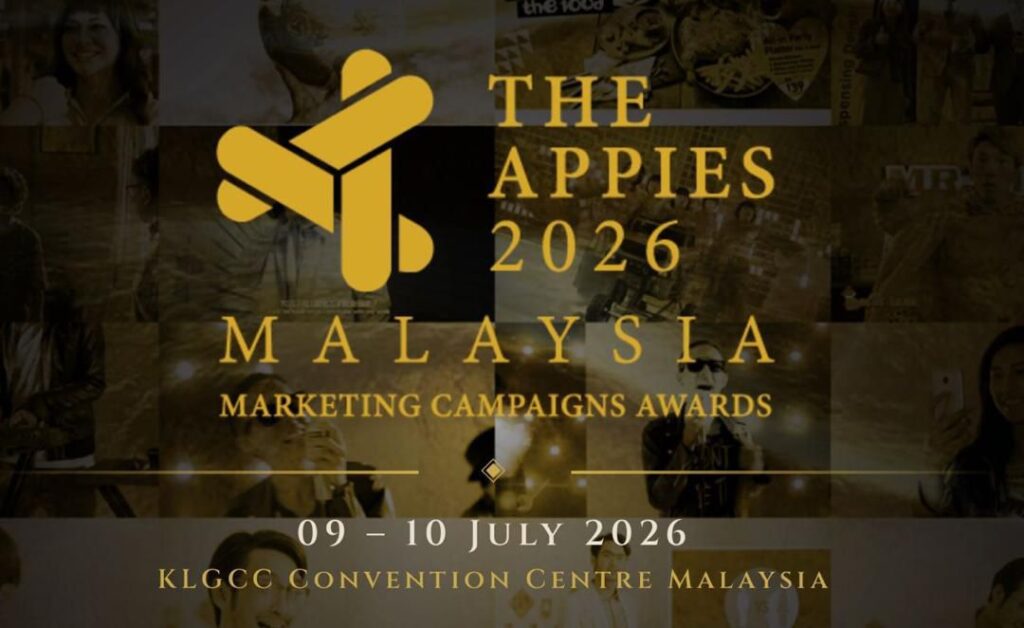
The APPIES is where Malaysia’s boldest campaigns, brightest ideas, and most impactful storytellers take the stage.
More than an awards show, it is the industry’s ultimate platform for creative, media, digital and marketing excellence, where live presentations meet live judging.
This is your chance to showcase work that moved audiences, shaped conversations, and delivered real results.
From breakthrough brand campaigns to innovative digital experiences, the APPIES celebrates the work that defines the future of marketing.
Step into the spotlight alongside the industry’s leading agencies, brands, creatives, strategists and changemakers.
Whether you are aiming for Gold, Silver, Bronze or the prestigious Best of the Best recognition, this is your moment to make history.
Your campaign deserves to be seen.
Your ideas deserve the stage.
Your work deserves the legacy.
KEY DATES
Haven’t subscribed to our Telegram channel yet? Don’t miss out on the hottest updates in marketing & advertising!