If 2025 felt like a year of holding your breath, 2026 is shaping up as the year people finally exhale without pretending everything is fine.
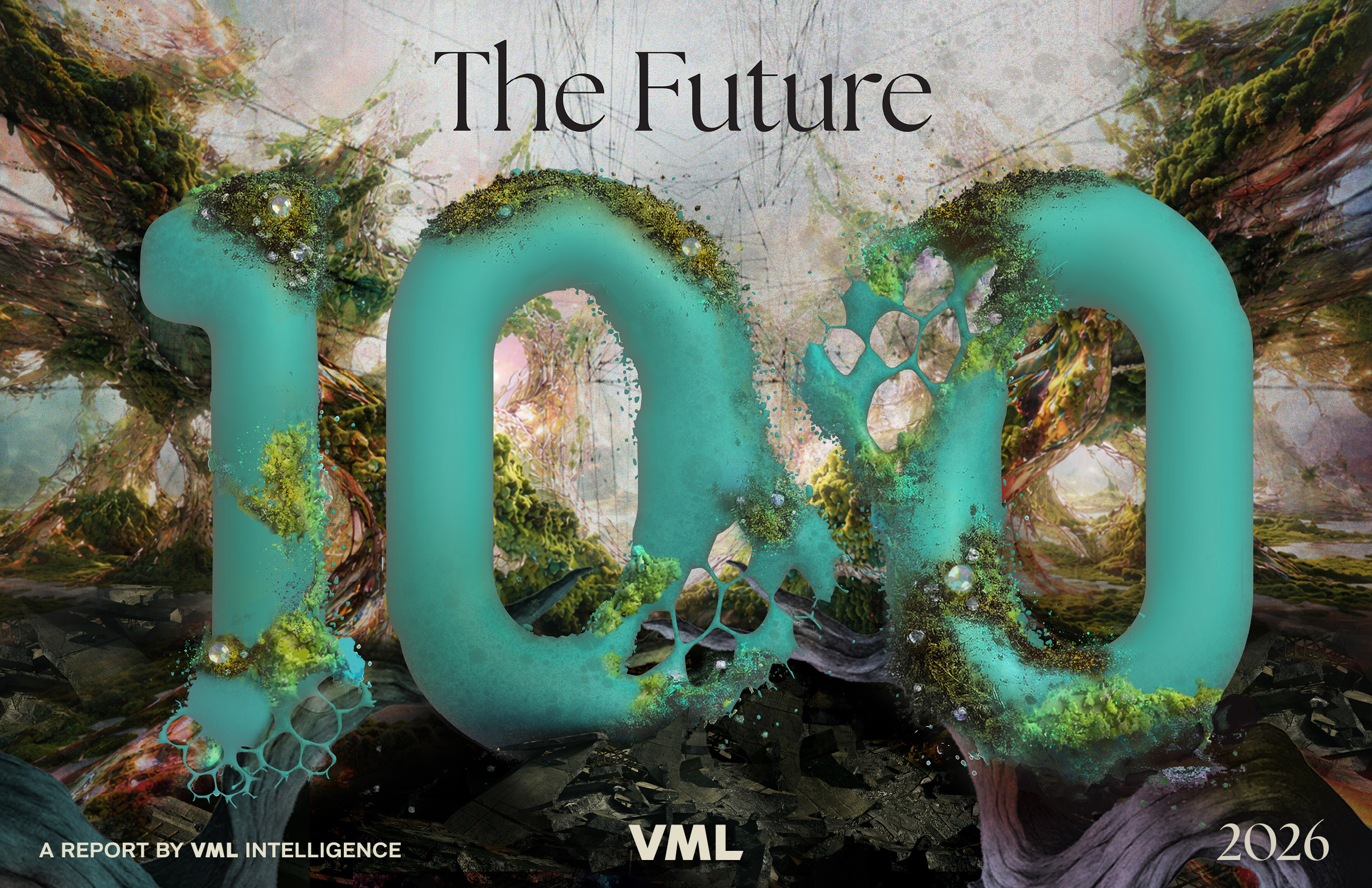
According to VML’s Future 100: 2026 report, we are entering an era defined by “dystoptimism”: a cultural mindset that acknowledges systemic breakdowns, social anxiety, and technological disruption, yet refuses to surrender to despair.
Coined in VML’s latest global forecast, dystoptimism captures a generation that sees the cracks clearly and chooses to build anyway.
Based on a survey of more than 15,600 adults across 16 markets, the report finds people no longer merely coping with disruption, but actively using it as a catalyst to rethink how they live, spend, and connect
For brands, this marks a subtle but critical shift.
Consumers are no longer persuaded by blind optimism or nostalgic reassurance. Nor are they drawn to doom-laden realism.
Instead, they expect brands to operate in the tension between hope and unease—to design for progress while recognising emotional fatigue.
Finding Light Without Denial
One of the strongest signals in Future 100: 2026 is the renewed search for enlightenment and joy—not escapism, but perspective.
A striking 86% of respondents say they are drawn to experiences that inspire awe or offer a renewed worldview.
This shows up in the rise of immersive wellness retreats, transformative travel and what VML terms “resilience wellness”—a reframing of resilience as a learnable, holistic practice rather than a personal burden.
Even leisure itself is being re-engineered. Nano trips—short, high-impact getaways—are replacing long holidays, while “treatonomics” points to the rise of small, frequent indulgences as an emotional survival strategy in tighter economic times.
For marketers, the takeaway is clear: joy is no longer frivolous. It is functional.
Brands that create moments of meaning, relief, or recalibration—without denying reality—will earn disproportionate emotional relevance.
AI Grows Up—and Gets Personal
Artificial intelligence, unsurprisingly, sits at the centre of the report—but with a more nuanced framing.
AI is no longer just a productivity tool; it is becoming a collaborator in how people imagine, create, and relate.
From AI-generated story worlds to synthetic companions, the report highlights how people are experimenting with co-creating realities alongside machines.
Nearly half of Gen Z respondents say they have already formed a meaningful relationship with AI. At the same time, this intimacy is triggering pushback.
Trends such as truth literacy, coded empathy and digital intent reflect rising demands for transparency, accountability, and ethical design.
The message to brands is not to slow down AI adoption—but to humanise it.
Efficiency alone is no longer enough; empathy and trust have become design requirements.

Human Connection Still Wins
Despite hyper-blended digital and physical worlds, the report makes one thing unambiguous: human connection still matters most, especially when decisions carry emotional or financial weight.
Community-driven spaces—from social wellness clubs to sober raves and neighbourhood “third places”—are gaining traction as people prioritise belonging over transaction.
Even as memes turn into products and online culture spills into real life, consumers continue to value human interaction where it counts.
For brands navigating 2026, dystoptimism offers a sharper brief.
Success will not come from projecting certainty, but from showing fluency in ambiguity—designing experiences that balance ambition with anxiety, technology with trust, and progress with care.
In a world that knows things are broken but believes they can be rebuilt, relevance belongs to brands willing to stand in that uncomfortable, hopeful middle ground.