Some artworks hang in museums. Others hang in the public imagination.
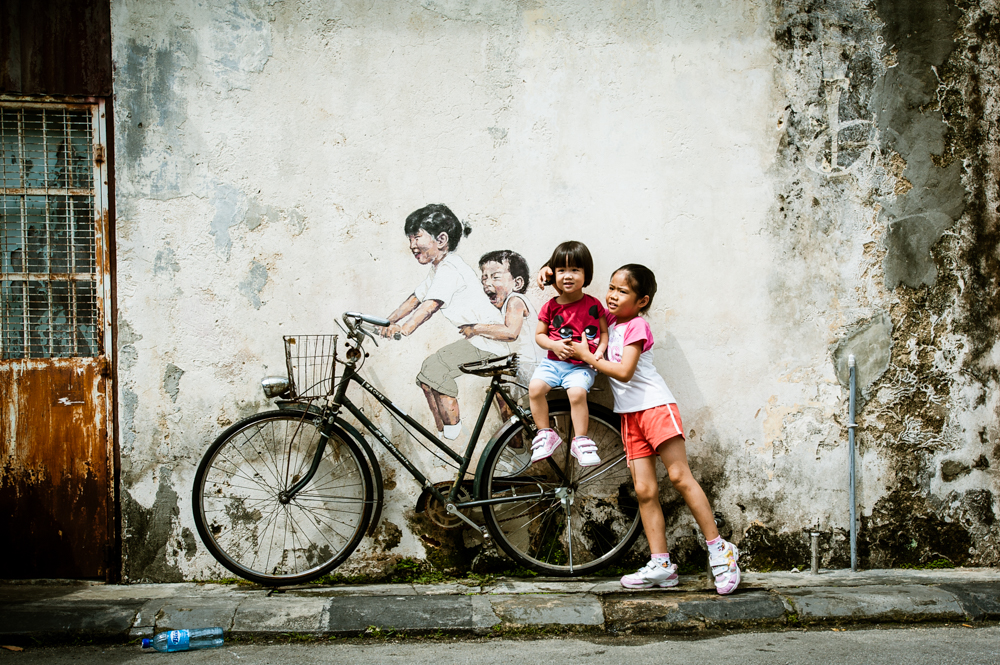
And a few — like the famous Children on Bicycle mural in Penang — end up doing something far more powerful: they become shorthand for a place itself.
Snap a photo of George Town and chances are that mural appears somewhere in the frame, smiling back like a friendly landmark that never asked for fame.
But fame, as every marketer knows, attracts brands.
And sometimes, lawsuits.
Lithuanian-born street artist Ernest Zacharevic has filed a suit on 9 February 2026 in the High Court against AirAsia Berhad and Capital A Berhad, alleging copyright infringement after his artwork was used commercially without permission.
The relief sought is straightforward: recognition of his rights, an injunction against further use, and damages.
Straightforward legally, perhaps.
But culturally, this case is far bigger than one mural.
When Public Art Isn’t Public Property
The mural was created in 2012 as part of the George Town Festival.
Since then, it has grown into one of Malaysia’s most photographed cultural icons — reproduced on postcards, souvenirs, tourism promotions, and, according to the suit, corporate campaigns stretching back years.
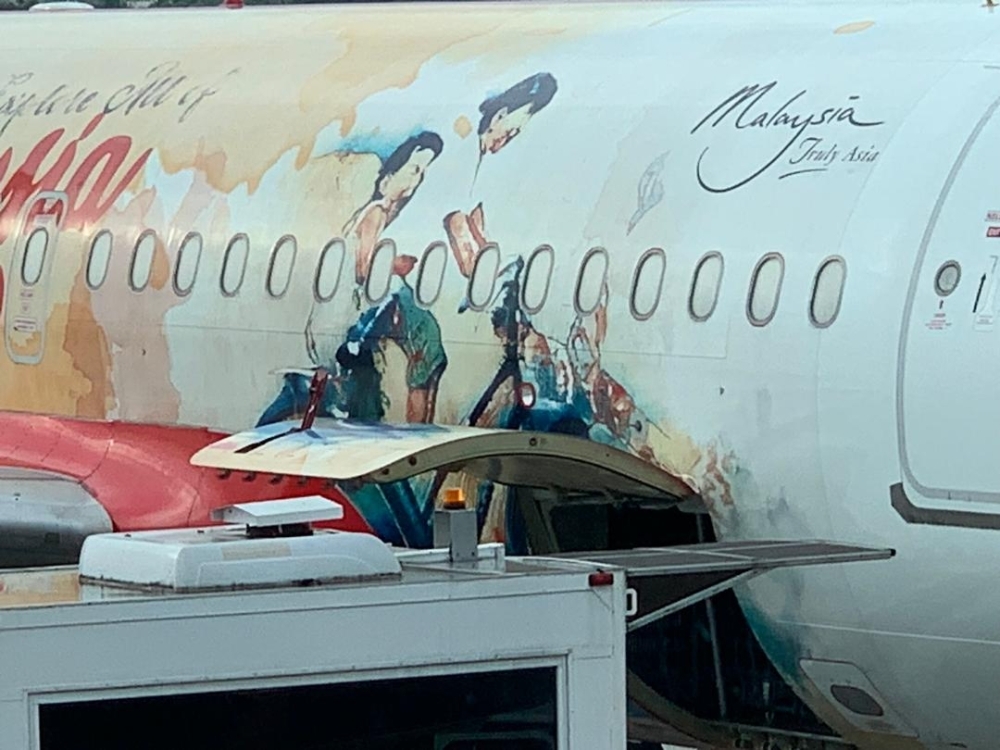
The tipping point came between October and November 2024, when the artwork appeared on the livery of an AirAsia aircraft.
It was later removed following the artist’s objections, but the episode — combined with what Zacharevic claims as repeated unauthorised uses since 2016 — has now moved from public debate into the courtroom.
The artist’s argument is simple: visibility does not equal permission.
A mural may live on a public wall, but the copyright remains firmly in private hands.
For marketers, that distinction is everything.
The Creative Shortcut That Isn’t One
Modern branding thrives on authenticity.
Cities, street culture, heritage visuals — these elements carry emotional credibility that money cannot easily manufacture.
Which is precisely why brands are tempted to “borrow” them.
The problem is that culture feels communal, but intellectual property is not.
Every agency creative has, at some point, heard a version of the same sentence: “It’s public, can’t we just use it?”
The Zacharevic case is a sharp reminder that the answer is often no — not if the work is being used commercially, not if it supports brand messaging, and certainly not if it appears on something as visible as an aircraft.
Licensing is less glamorous than creative inspiration, but it is what separates a clever campaign from an expensive mistake.
The Lesson Brands Can’t Ignore
This lawsuit is not merely about damages or royalties.
It is about how brands engage with cultural capital in an era where authenticity drives marketing value.
The more brands lean into real-world symbols — neighbourhood murals, local music, grassroots art — the more critical ownership checks become.
Because the truth is simple: cultural relevance cannot be copied and pasted. It must be collaborated, licensed, and respected.
The Children on Bicycle mural will continue to attract tourists, cameras, and admiration long after the legal proceedings end.
But for marketers watching from the sidelines, the message has already landed.
A beautiful wall may belong to the city.
The artwork on it still belongs to the artist.