By The Malketeer
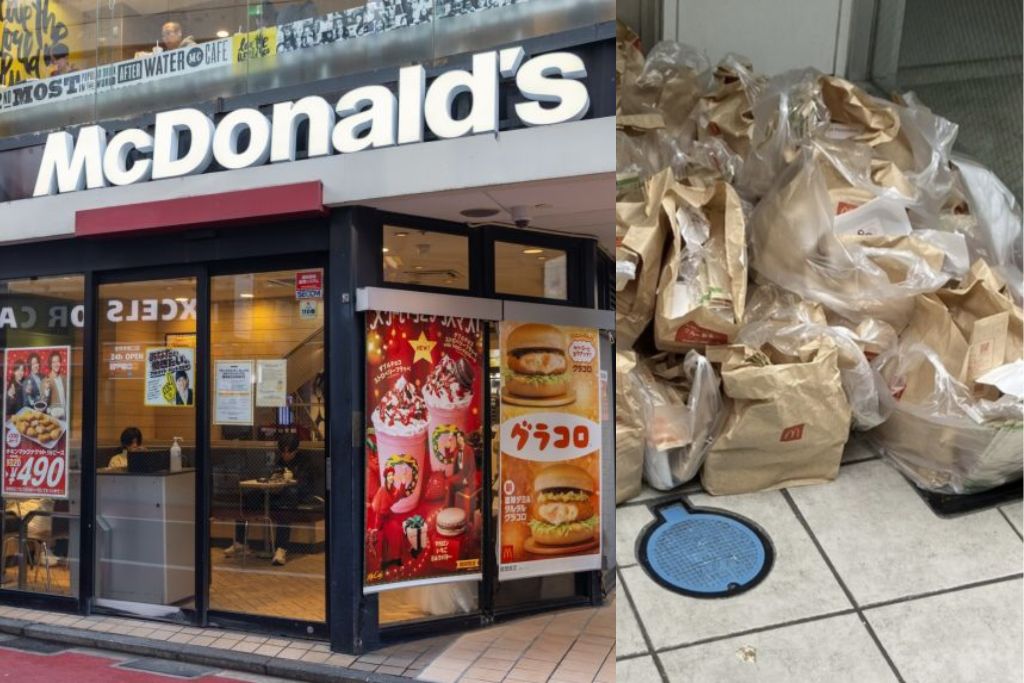
When McDonald’s Japan announced its latest Happy Meal tie-in—a set of limited-edition Pokémon cards—it should have been the perfect recipe for a feel-good, family-friendly marketing win.
Instead, it spiralled into queues, chaos, and a reputational bruise now dubbed online as the “Unhappy Meal” debacle.
The Perfect Storm of Brand Hype
Pokémon cards have a rare marketing magic—cross-generational appeal, scarcity-driven demand, and a thriving secondary market where certain cards sell for eye-watering sums.
McDonald’s tapped into that magic, hoping to pull in children and nostalgic adults alike.
But by Friday’s launch, reality bit hard.
Collectors and opportunistic resellers swarmed outlets, snapping up Happy Meals in bulk.
The hook wasn’t the burgers, it was the cards.
Soon after, social media flooded with unverified images of bin bags stuffed with uneaten food, fuelling outrage about waste and greed.
What should have been a joyful brand moment became a case study in how scarcity marketing, if not tightly managed, can backfire.
The Reseller Problem Goes Mainstream
Resale culture has long been part of streetwear, sneakers, and limited-edition merch.
But seeing it migrate to a kids’ meal exposed a raw nerve for everyday customers.
Parents posted that they couldn’t buy a Happy Meal for their children.
Fans condemned the behaviour as “embarrassing” and “selfish,” accusing resellers of hoarding cards for profit while discarding perfectly good meals.
For a brand built on affordability, accessibility, and family moments, the optics couldn’t have been worse.
Where the Brand Stumbled
McDonald’s did have a cap—five meals per person—but the execution faltered.
Reports emerged of customers rejoining queues, intimidating staff, and finding workarounds.
This left the brand scrambling to announce it would impose stricter limits, reject repeat attempts, and call on e-commerce sites to curb profiteering.
The statement was necessary but reactive—damage control after the narrative had already run away online.
Lessons for Marketers Everywhere
The Redemption Play
McDonald’s Japan still has a chance to turn this around.
Tighter controls, a public food donation initiative for any leftover meals, and an educational tie-in with Pokémon about reducing waste could shift the narrative.
A “second chance” card drop, fairly distributed, could also help win back goodwill.
The “Unhappy Meal” saga is a timely reminder.
In the social media age, hype can boost you or break you depending on how prepared you are for its consequences.
For marketers, the takeaway is simple: plan for the mania your success might create.
Share Post:
Haven’t subscribed to our Telegram channel yet? Don’t miss out on the hottest updates in marketing & advertising!