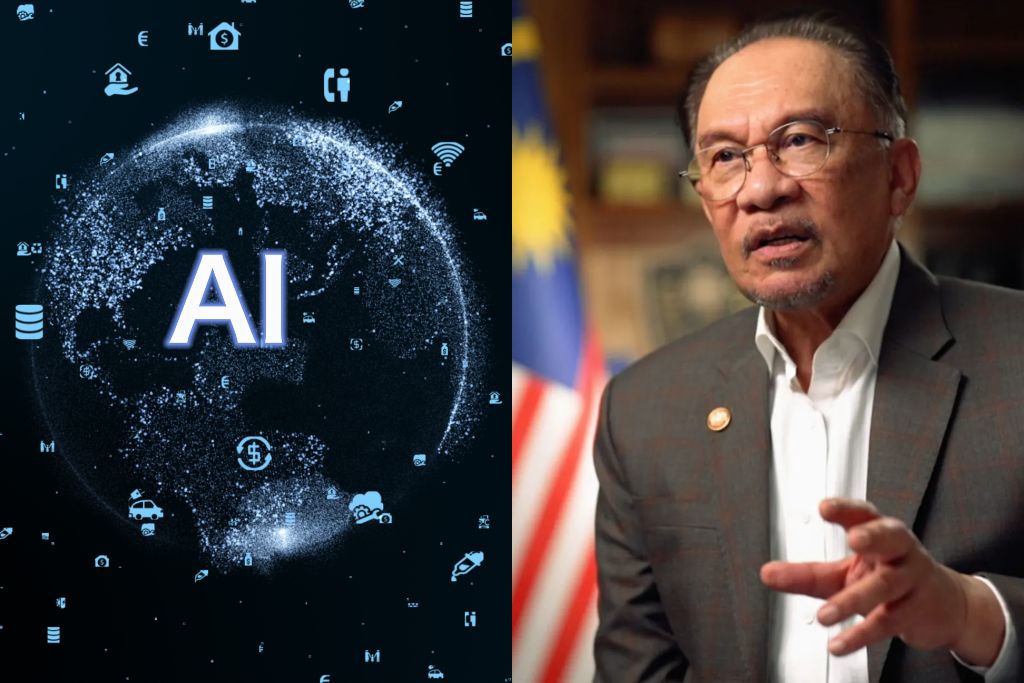
Malaysia is moving to regulate artificial intelligence — but not by copying Silicon Valley’s rulebook.
Prime Minister Datuk Seri Anwar Ibrahim has confirmed that the government is drafting an Artificial Intelligence (AI) Governance Bill, placing ethics and moral accountability at the centre of the proposed legislation.
Speaking during Prime Minister’s Question Time in the Dewan Rakyat on 24 February, he described the bill as a significant policy shift — not just for Malaysia, but in contrast to how some Western jurisdictions have approached AI regulation.
For marketers, agencies, tech vendors and brand custodians, this is more than legislative housekeeping.
It signals how AI will be shaped — and constrained — in Malaysia’s digital economy.
A Lifecycle Approach to AI Governance
According to Anwar, the proposed bill will cover the entire lifecycle of AI systems: from training data and model development to deployment, monitoring and risk management.
Crucially, it will address accountability — not just of developers, but of those deploying AI tools in real-world environments.
That includes businesses using AI for:
In other words, AI governance will not stop at the lab. It will extend into boardrooms and marketing departments.
This is particularly relevant for Malaysia’s fast-growing martech ecosystem, where generative AI tools are now routinely embedded into campaign workflows.
The proposed framework suggests that “we used an AI tool” will not be an adequate defence if ethical lines are crossed.
Ethics Over Purely Legal Compliance?
Anwar’s remarks drew a clear philosophical distinction.
He suggested that while Western frameworks often focus heavily on legal precision, Malaysia intends to foreground moral considerations alongside technical compliance.
That framing matters.
Across Europe, the European Union Artificial Intelligence Act categorises AI systems by risk tiers.
In the United States, regulation remains fragmented, with executive orders and sector-specific guidance leading the way.
Malaysia’s approach appears to be carving its own lane — blending governance with value-based oversight.
In practical terms, this could translate into stricter scrutiny of:
For brands, that means reputational risk management will sit alongside regulatory compliance.
Copyright Still Applies — And MyIPO Is Watching
Responding to questions in Parliament, Anwar clarified that existing laws, including the Copyright Act 1987, remain fully applicable in the AI era.
The Intellectual Property Corporation of Malaysia (MyIPO) has been tasked with strengthening monitoring and enforcement.
This is not a minor footnote.
AI-generated visuals, scripts and music are now commonplace in campaign production.
If training datasets incorporate copyrighted works without proper licensing, liability questions could surface — especially for agencies and clients commissioning AI-assisted outputs.
The message is clear: innovation does not suspend intellectual property obligations.
Infrastructure Discipline: Data Centres Under Review
Anwar also revealed that approvals for data centres are being tightened to protect national electricity and water resources.
That intervention speaks to a broader sustainability tension.
AI’s compute demands are enormous. Large-scale model training and inference require substantial energy and cooling infrastructure.
As Malaysia positions itself as a regional digital hub, policymakers appear determined to balance tech growth with resource stewardship.
For multinational tech firms eyeing Malaysia as a cloud or AI infrastructure base, this signals that environmental governance will not be an afterthought.
What This Means for Marketers
For CMOs, agency leaders, digital strategists — the takeaway is strategic, not merely political.
Malaysia’s AI governance will likely demand:
In short, AI adoption will require board-level oversight, not just experimentation in the creative department.
The bill is still in its early stages and will undergo consultation with the Parliamentary Special Committee.
But the direction is unmistakable: Malaysia intends to regulate AI with a moral compass as well as a legal code.
In a year when AI is reshaping everything from media buying to brand storytelling, the country’s stance may well define how Southeast Asia balances innovation with responsibility.
For marketers, the question is no longer whether AI will be used — but whether it will be used wisely, transparently and within a framework that reflects Malaysia’s own values.
And that framework is now taking shape.
Share Post:


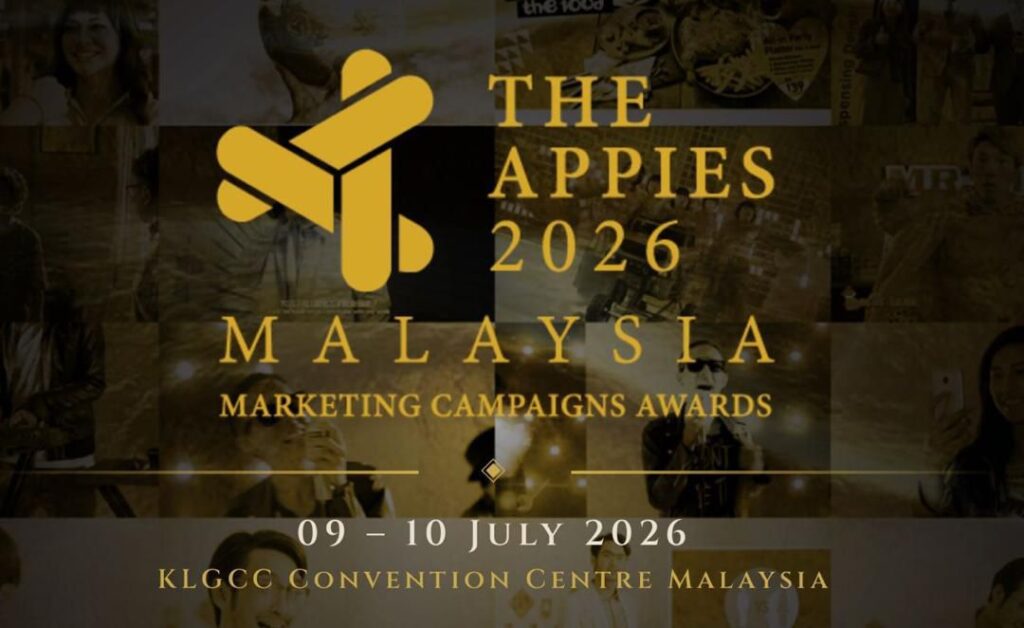
The APPIES is where Malaysia’s boldest campaigns, brightest ideas, and most impactful storytellers take the stage.
More than an awards show, it is the industry’s ultimate platform for creative, media, digital and marketing excellence, where live presentations meet live judging.
This is your chance to showcase work that moved audiences, shaped conversations, and delivered real results.
From breakthrough brand campaigns to innovative digital experiences, the APPIES celebrates the work that defines the future of marketing.
Step into the spotlight alongside the industry’s leading agencies, brands, creatives, strategists and changemakers.
Whether you are aiming for Gold, Silver, Bronze or the prestigious Best of the Best recognition, this is your moment to make history.
Your campaign deserves to be seen.
Your ideas deserve the stage.
Your work deserves the legacy.
KEY DATES
Haven’t subscribed to our Telegram channel yet? Don’t miss out on the hottest updates in marketing & advertising!