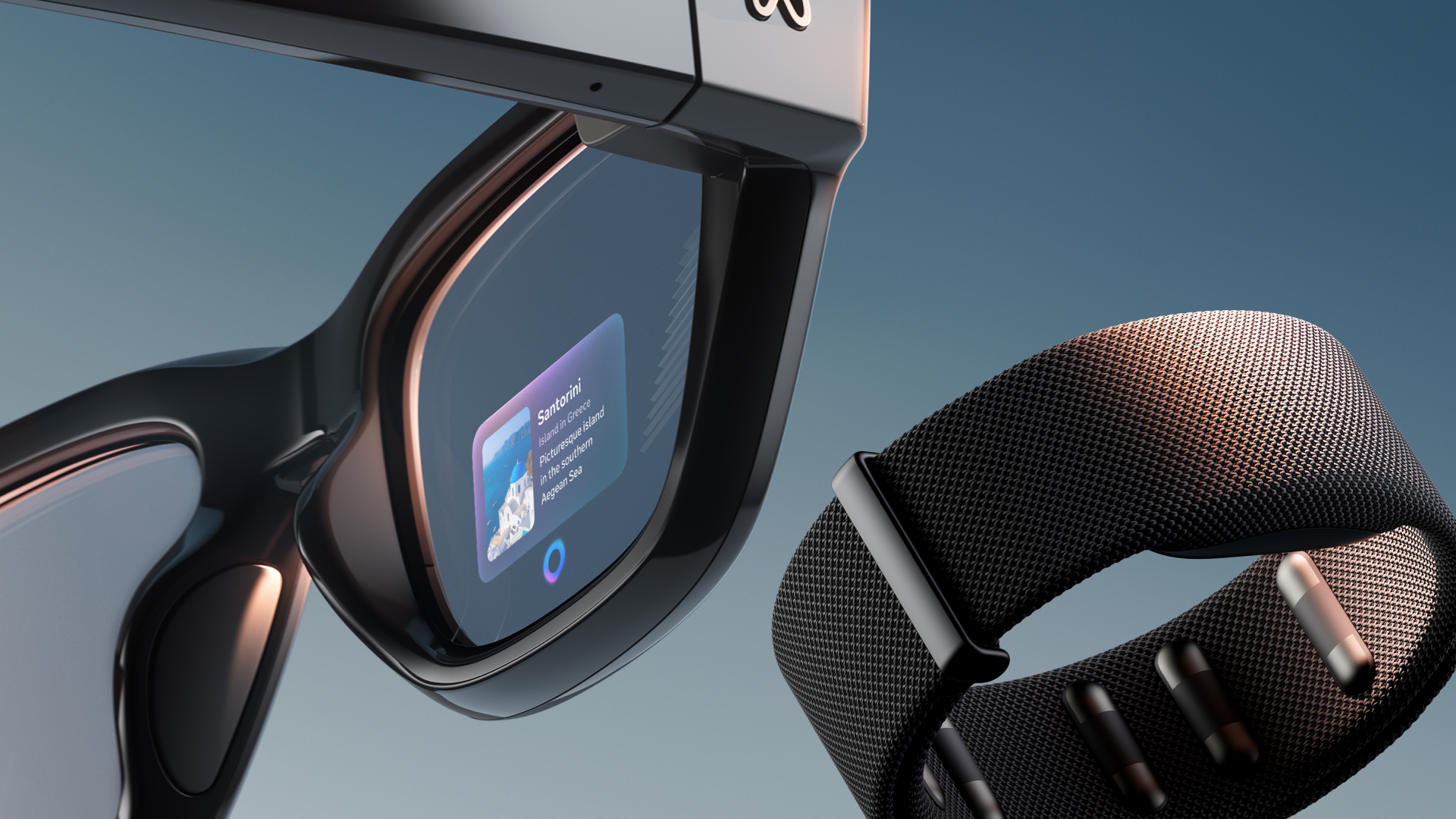
AI-powered smart glasses have quietly crossed the threshold from curiosity to commercial success.
With more than seven million units sold in the past year, Meta’s Ray-Ban collaboration has effectively defined the category, proving that consumers are willing to wear technology when it is stylish, lightweight and seamlessly integrated into daily life.
But the next phase of innovation may test not just product design, but public trust.
According to a recent New York Times report, Meta is exploring a facial-recognition capability internally referred to as “Name Tag,” which would allow users to identify people around them through the glasses’ cameras and Meta AI assistant.
The feature, still under evaluation, could display contextual information about individuals — potentially limited to contacts within the wearer’s social networks or people with publicly available profiles — rather than enabling unrestricted identification of strangers.
From a product perspective, the logic is clear.
Smart glasses become far more useful when they move beyond passive capture to real-time situational intelligence.
The promise is frictionless social recall: recognising someone at an event, remembering their name, or accessing contextual information during meetings.
For accessibility communities, particularly the visually impaired, the technology could offer genuine empowerment — one reason Meta reportedly considered piloting the feature in accessibility-focused settings.
Yet the marketing implications are more complex than the technical ones.
From Utility to Surveillance Anxiety
Wearable technology succeeds when it feels invisible. Facial recognition, however, risks making the technology feel uncomfortably visible to everyone else.
Consumers may enjoy the convenience of being able to identify people instantly, but those being identified may feel differently — especially in public environments where consent is ambiguous.
This tension could reshape how wearable AI is positioned, communicated, and regulated globally.
Meta is not new to this terrain.
The company previously shut down Facebook’s facial-recognition system amid mounting privacy concerns, and earlier experimental integrations of similar capabilities in wearables triggered immediate civil-society backlash.
The difference now is that hardware adoption has reached scale, which amplifies both opportunity and risk.
Once millions of devices are already in circulation, feature upgrades can fundamentally alter how those devices are perceived overnight.
A Strategic Ecosystem Play
Beyond the user experience, the “Name Tag” concept signals a broader ecosystem strategy.
If smart glasses become identity-aware interfaces, they could serve as a bridge connecting social graphs, commerce, messaging, and AI assistance in real time.
Recognition-based interactions could enable personalised recommendations, contextual advertising opportunities, or instant profile-driven experiences at events and retail environments.
For marketers, this raises both exciting possibilities and regulatory scrutiny, as hyper-personalised engagement moves from screens into physical space.
The challenge will be trust architecture. Indicators such as recording lights, opt-in identity sharing, or limited recognition scopes may become essential brand safeguards rather than optional features.
In the AI wearables race, technological capability is no longer the only differentiator; perceived ethical responsibility may become the deciding factor in adoption.
Smart glasses are rapidly evolving from cameras on your face to intelligence in your field of vision.
Whether facial recognition becomes their defining feature will depend less on engineering feasibility and more on whether technology companies — and the marketers who rely on their platforms — can convince the public that convenience does not come at the cost of anonymity.
Share Post:

Haven’t subscribed to our Telegram channel yet? Don’t miss out on the hottest updates in marketing & advertising!