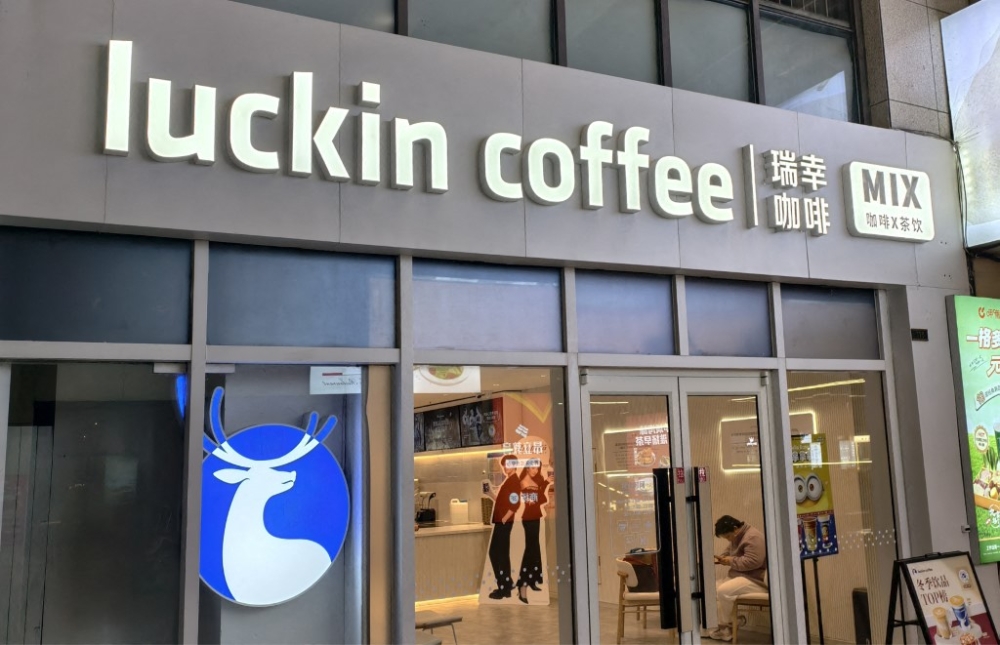
The global coffee battle just acquired a new layer of intrigue.
China’s fast-growing Luckin Coffee is reportedly close to acquiring cult speciality brand Blue Bottle Coffee in a deal valued at just under US$400 million, according to Fast Company.
If completed, the acquisition would mark Luckin’s most ambitious attempt yet to challenge the long-standing dominance of Starbucks—not just on price or convenience, but on culture.
For marketers watching the global beverage wars unfold, the move signals something larger: the collision of two entirely different coffee philosophies.
From Mobile Coffee to Craft Coffee
Luckin’s rise has been nothing short of extraordinary.
Built on a digital-first, app-driven model, the Chinese chain expanded to roughly 31,000 outlets by 2025, overtaking Starbucks in store count in China and turning its small-format, takeaway-centric stores into a hyper-efficient retail machine.
The formula is simple but ruthless: smaller stores, mobile ordering, aggressive promotions, and a willingness to sacrifice short-term profitability to capture market share.
Blue Bottle represents the exact opposite.
Founded in California and later acquired by Nestlé, the brand became one of the pioneers of the “third wave coffee” movement—a culture that treats coffee more like wine: single-origin beans, precise brewing methods, minimalist cafés and baristas who approach coffee as craft rather than commodity.
For years, Blue Bottle embodied the romantic ideal of speciality coffee.
But the market has changed.
When Premium Coffee Meets a Changing Consumer
The rise of iced drinks, flavoured beverages and matcha-based trends—particularly among younger consumers—has reshaped the coffee landscape.
Convenience and novelty are increasingly winning over slow ritual.
Blue Bottle, with roughly 140 stores globally, has struggled to scale profitably under Nestlé’s ownership.
That makes it a curious but potentially clever acquisition target.
Luckin doesn’t need Blue Bottle’s operational model.
It needs something else: brand mythology.
In marketing terms, Blue Bottle offers what Luckin lacks—authenticity and craft credibility in the premium segment.
The Starbucks Factor
The timing is also significant.
Starbucks, still the world’s largest coffee chain with around 40,000outlets and US$37 billion in revenue, has been undergoing its own reinvention under CEO Brian Niccol.
The company is focusing on warmer store design, improved menus and a renewed emphasis on in-store experience to counter slowing traffic.
In other words, Starbucks is doubling down on experience.
Luckin is doubling down on scale and digital convenience.
By acquiring Blue Bottle, Luckin may be attempting to play both sides of the market—maintaining its fast, affordable core business while gaining access to a premium storytelling brand that resonates with coffee purists.
A Brand Strategy Experiment
The real question isn’t whether Luckin can run Blue Bottle cafés.
It’s whether it can protect the brand’s mystique while expanding it—especially if the chain begins appearing in major Chinese cities or even repurposes former Starbucks Reserve locations.
That would be a fascinating brand experiment.
Because Blue Bottle’s appeal has always rested on scarcity, craft and calm—qualities that rarely survive aggressive expansion.
The Future of Coffee Branding
If the deal proceeds, the global coffee industry could soon resemble a three-tier battlefield:
• Starbucks defending premium mass-market experience
• Luckin dominating digital convenience
• Blue Bottle, potentially reimagined as Luckin’s craft-coffee halo brand
For marketers, the lesson is clear.
The next stage of the coffee wars won’t be fought only on taste or price.
It will be fought on brand narrative—between speed, ritual and identity.
And Luckin’s US$400 million bet suggests the company now understands that in coffee, as in marketing, story can be as valuable as scale.
Share Post:
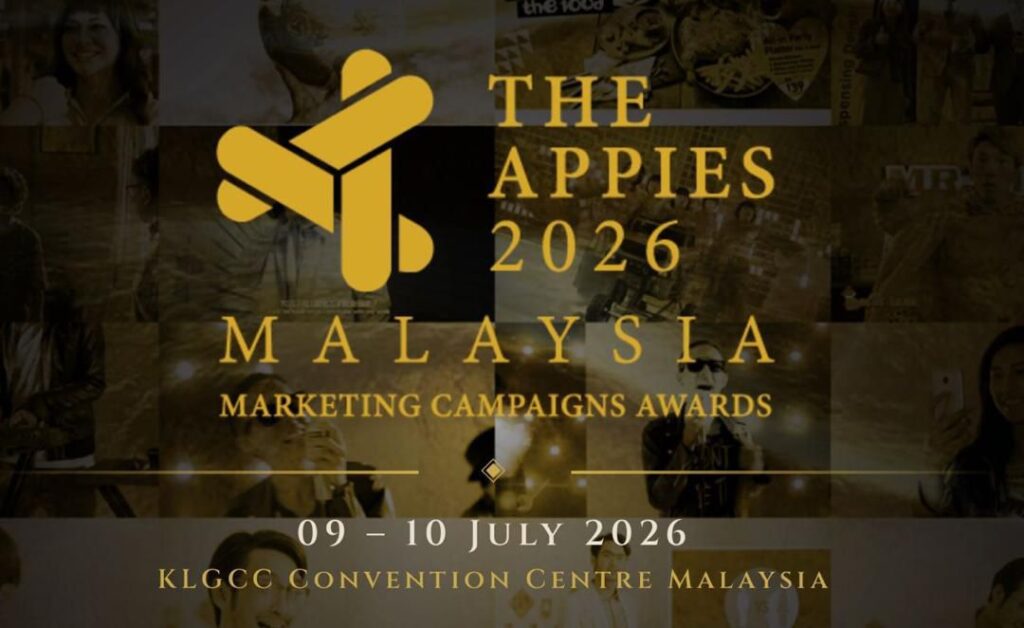
The APPIES is where Malaysia’s boldest campaigns, brightest ideas, and most impactful storytellers take the stage.
More than an awards show, it is the industry’s ultimate platform for creative, media, digital and marketing excellence, where live presentations meet live judging.
This is your chance to showcase work that moved audiences, shaped conversations, and delivered real results.
From breakthrough brand campaigns to innovative digital experiences, the APPIES celebrates the work that defines the future of marketing.
Step into the spotlight alongside the industry’s leading agencies, brands, creatives, strategists and changemakers.
Whether you are aiming for Gold, Silver, Bronze or the prestigious Best of the Best recognition, this is your moment to make history.
Your campaign deserves to be seen.
Your ideas deserve the stage.
Your work deserves the legacy.
KEY DATES
Haven’t subscribed to our Telegram channel yet? Don’t miss out on the hottest updates in marketing & advertising!