By The Malketeer
Airbnb is no longer just a platform for budget-savvy travellers or quirky stays—it’s now a major economic engine fuelling Malaysia’s post-pandemic tourism resurgence.
A new report by Oxford Economics, commissioned by Airbnb, reveals that the home-sharing platform injected a staggering RM9.2 billion into Malaysia’s economy in 2024—equivalent to around 5% of the entire tourism sector’s GDP.
More than just a boost to the bottom line, Airbnb helped support 93,600 jobs across the country, and generated RM2.1 billion in wage income, underlining its growing role in Malaysia’s economic fabric.
Homegrown Travel Takes the Lead
Perhaps the most striking shift is the dominance of domestic travellers, who accounted for 67% of Airbnb guests in 2024, surpassing pre-pandemic levels in 2019.
This reflects a broader behavioural pivot among Malaysians—an increasing appetite to rediscover their own backyard.
International travellers, though still recovering, made a notable comeback too. 33% of Airbnb stays in 2024 were booked by international visitors, more than double their share from 2022.
Notably, over 80% of these were from the Asia-Pacific region, reaffirming the importance of regional connectivity in travel recovery.
RM11 Billion in Guest Spending
The platform’s overall guest spending hit RM11 billion, including accommodation and daily expenditure on essentials such as dining, shopping, groceries, transport, and entertainment.
On average, Airbnb guests spent RM640 per day on non-accommodation items.
For every RM1,000 spent in-destination:
It’s a compelling case for how Airbnb drives value far beyond just the host—it energises the entire local ecosystem.
Manufacturing to Meals: A Multisector Impact
The economic ripple effect was felt across multiple industries:
Employment-wise, Airbnb helped support:
Wage contributions were equally notable: RM376 million in F&B wages, RM332 million in manufacturing, and RM281 million in transport—a clear demonstration of Airbnb’s ability to circulate income through a wide socio-economic web.
Rural Stays Rising: A Win for Smaller Towns
Beyond the ring of urban sprawl, Airbnb is rewriting the tourism map. In 2024, more than half of all guest spending occurred outside Kuala Lumpur and Selangor.
Compared to 2019, there was a 68% increase in non-urban accommodation spending.
That’s more than a trend—it’s a transformative shift.
62% of Airbnb’s total GDP impact came from non-Klang Valley areas, supporting 63,500 jobs and RM1.3 billion in wages in smaller towns and less-travelled regions.
This shift hints at a decentralised tourism future, where local communities gain real economic agency through distributed travel.
Community-Centred Travel is the Future
For marketers, the report offers more than statistics—it offers strategic insight.
The success of Airbnb underscores the rising value of authentic, localised, and experience-driven travel.
Brands that align themselves with community-driven tourism, champion regional diversity, and celebrate ‘Malaysia off the beaten path’ stand to gain.
Airbnb’s playbook is clear: Empower locals. Distribute opportunity. Create shared value.
It’s a lesson traditional hospitality, travel marketers, and even policymakers would do well to heed.
Source: Oxford Economics – The Economic Impact of Airbnb in Malaysia (May 2025). Figures reflect the 2024 calendar year.
Share Post:

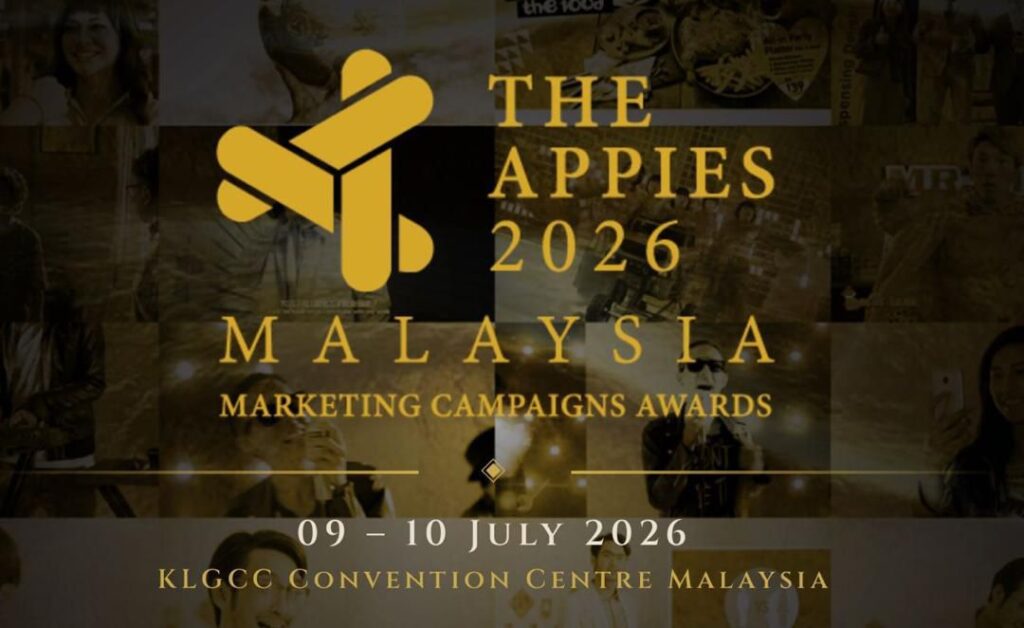
The APPIES is where Malaysia’s boldest campaigns, brightest ideas, and most impactful storytellers take the stage.
More than an awards show, it is the industry’s ultimate platform for creative, media, digital and marketing excellence, where live presentations meet live judging.
This is your chance to showcase work that moved audiences, shaped conversations, and delivered real results.
From breakthrough brand campaigns to innovative digital experiences, the APPIES celebrates the work that defines the future of marketing.
Step into the spotlight alongside the industry’s leading agencies, brands, creatives, strategists and changemakers.
Whether you are aiming for Gold, Silver, Bronze or the prestigious Best of the Best recognition, this is your moment to make history.
Your campaign deserves to be seen.
Your ideas deserve the stage.
Your work deserves the legacy.
KEY DATES
Haven’t subscribed to our Telegram channel yet? Don’t miss out on the hottest updates in marketing & advertising!