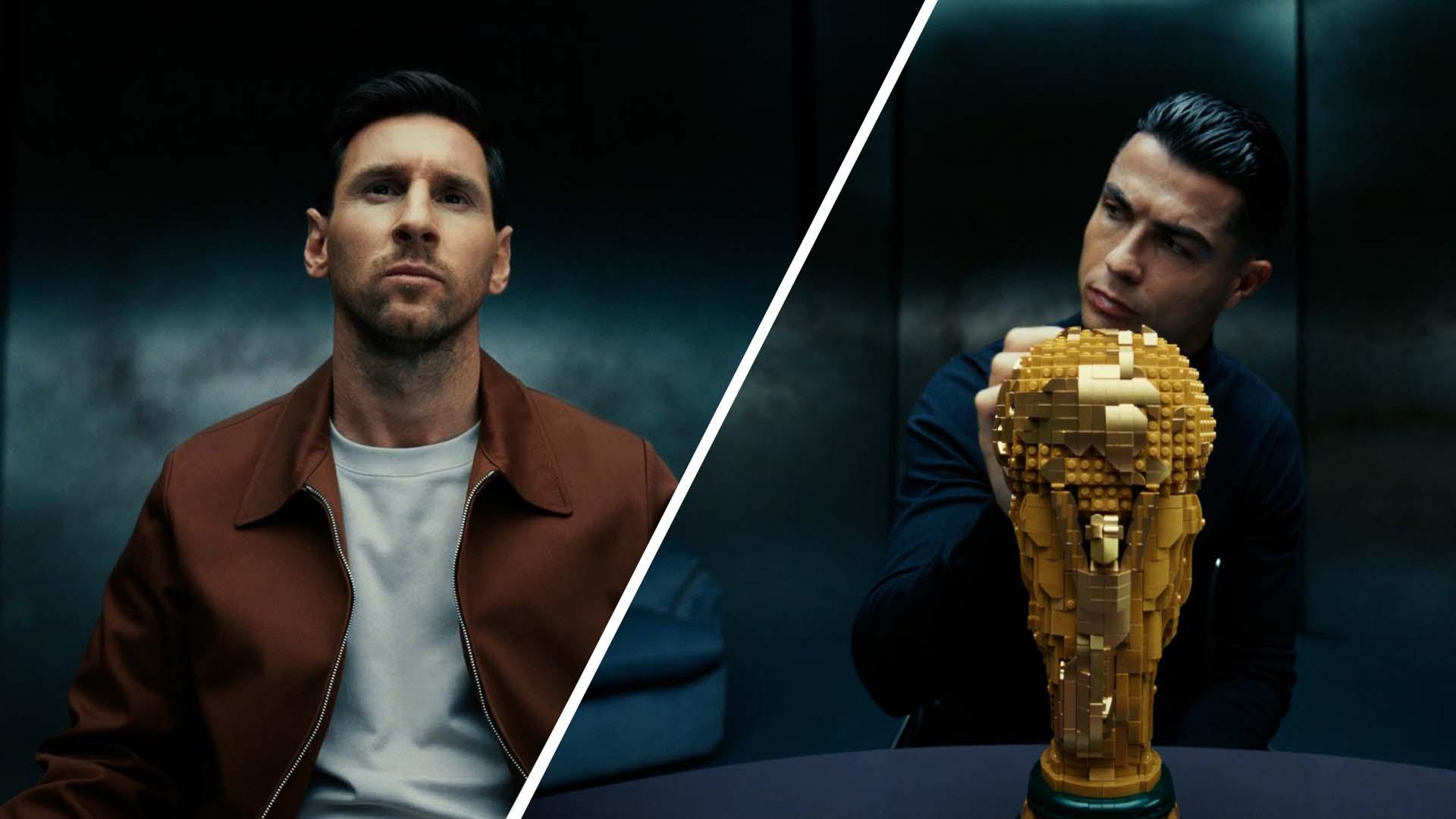
There are campaigns that chase attention and there are those that quietly rearrange the room.
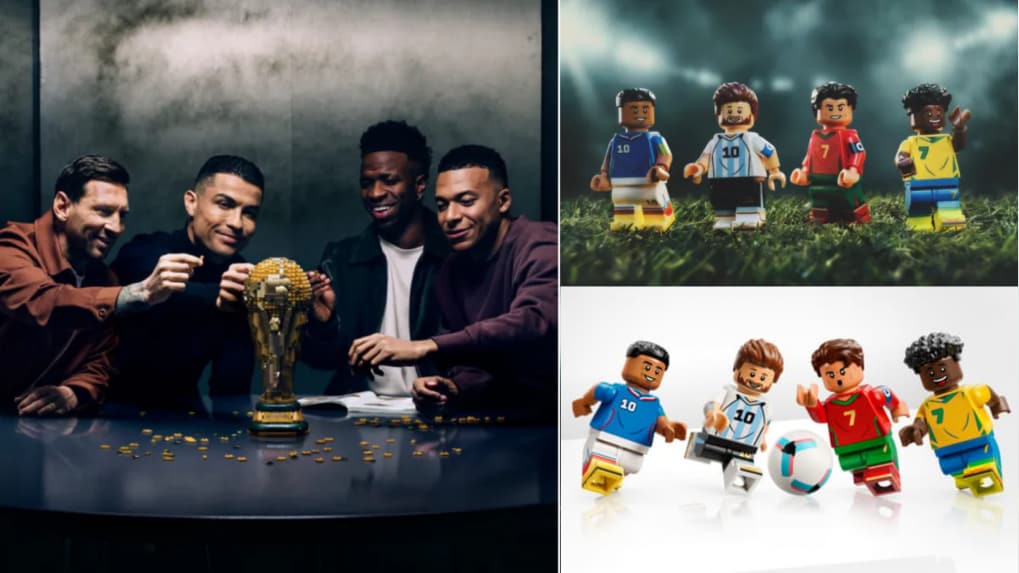
The latest move by The LEGO Group does the latter. Four of football’s most recognisable names — Lionel Messi, Cristiano Ronaldo, Kylian Mbappé and Vinícius Júnior — are brought together not on a pitch, not in a tunnel, not even in a locker room. They sit at a table. And they build.
Each reaches for the same prize, a LEGO World Cup trophy. Each tries to claim it. None succeeds. A child walks in, places a minifigure on top, and that’s the moment that lands.
Reframing the Game Without Saying So
It is a simple scene, almost disarmingly so. But it carries the kind of strategic clarity most brands spend years trying to articulate. Football, at its highest level, is theatre built on rivalry, ego, and legacy. LEGO has no interest in amplifying any of that.
Instead, it sidesteps the entire construct. It does not ask who is the greatest. It asks who gets to play. In doing so, it reframes the conversation without raising its voice.
Four Icons, One Neutral Ground
What makes this especially potent is the casting. Getting Messi and Ronaldo into the same frame is already a rare alignment of commercial planets.
Add Mbappé and Vinícius Júnior and you are looking at four separate endorsement universes, each with its own gravitational pull.
Any other brand would struggle to contain that energy. LEGO neutralises it by changing the context. No kits, no sponsors, no scorelines. Just bricks.
That shift is not cosmetic. It is structural. LEGO is not competing within football. It is operating adjacent to it. Which gives it the freedom to bring everyone into the same space without conflict.
The brand is not borrowing football culture. It is building a version of it that belongs entirely to itself.
The image does most of the heavy lifting. Four global icons leaning over a shared object, stripped of their usual armour. It travels instantly. No explanation required. It invites screenshots, memes, reposts. It feels native to the way people consume culture now, which is often visual first, context later.
More Than a Campaign, A Platform in Motion
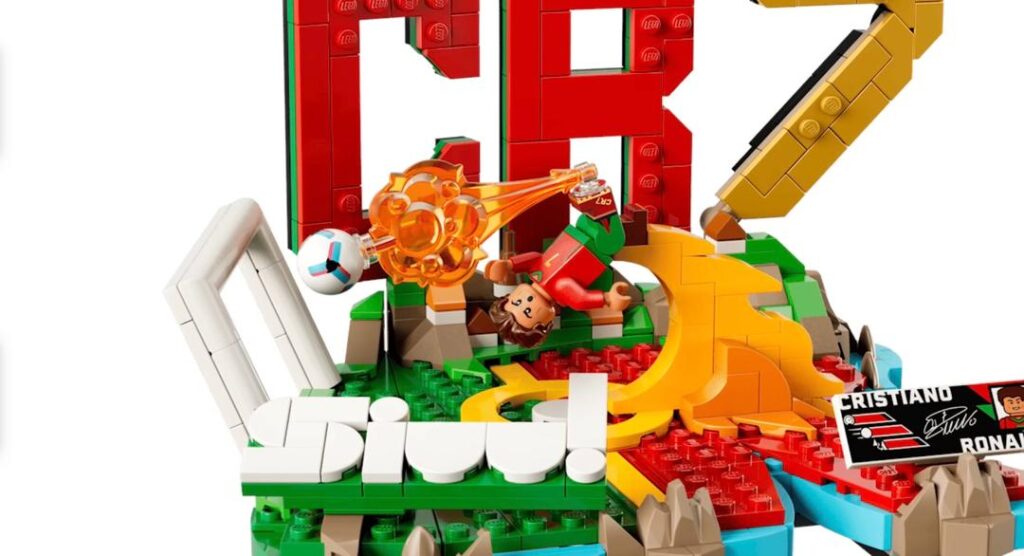
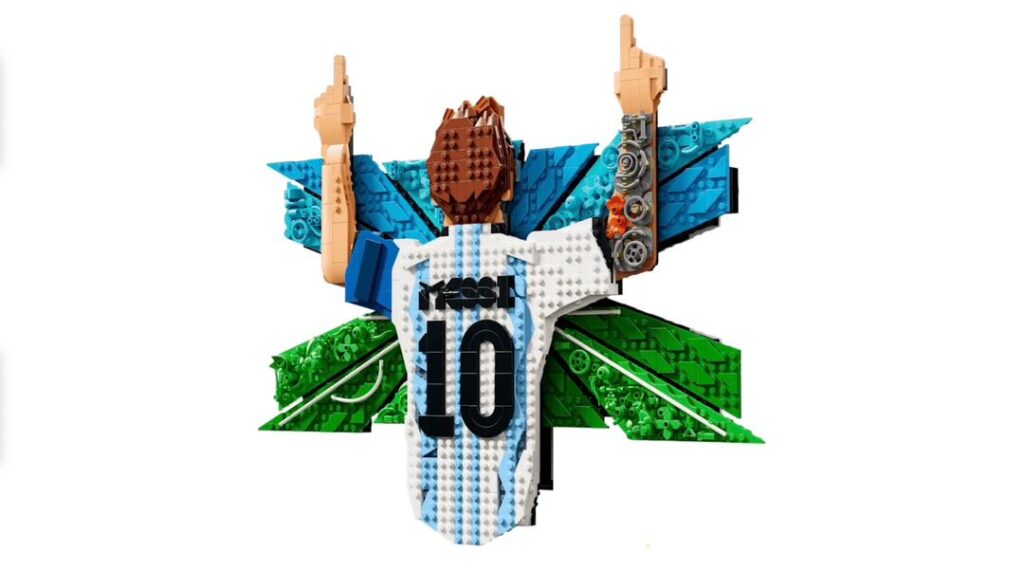
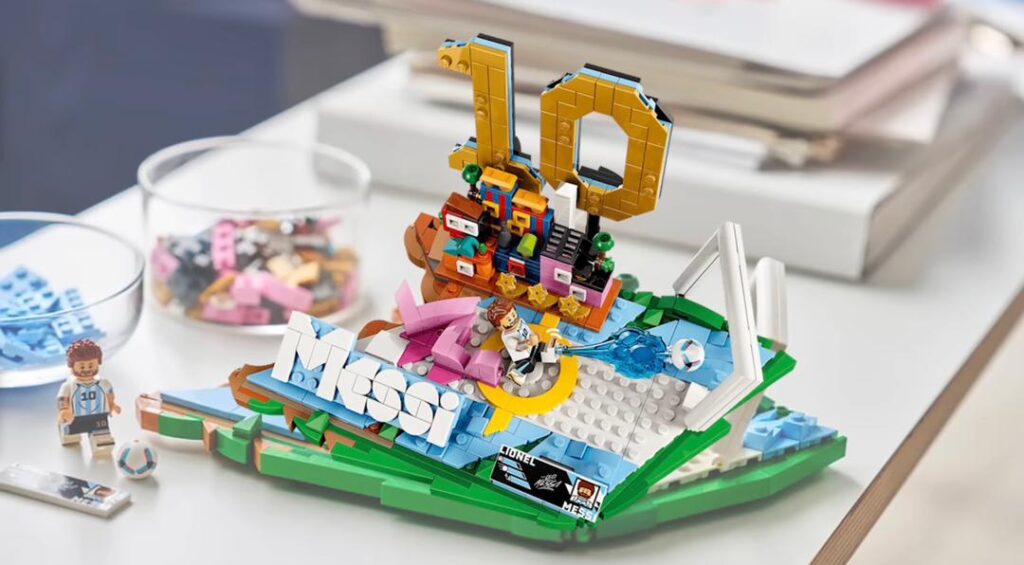
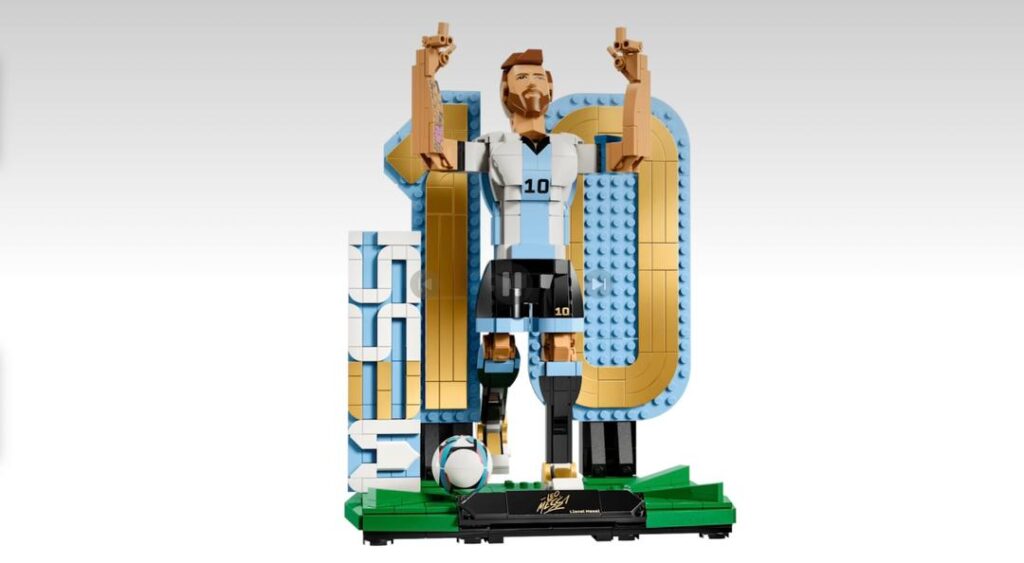
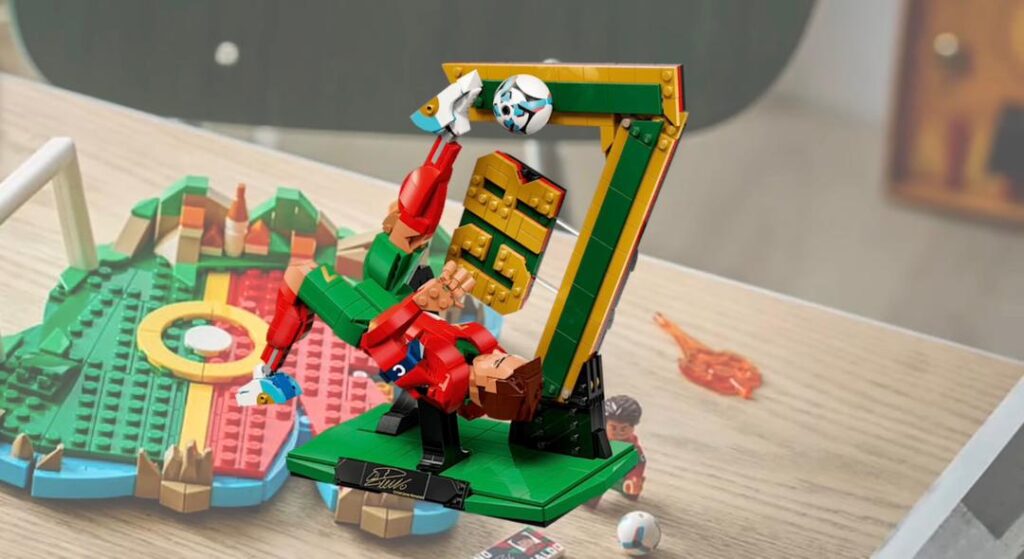
But this is not a one-off stunt dressed up as a campaign. There is a broader play unfolding beneath it. Product lines tied to football moments. Collectible sets that extend the story into homes. Experiences that move beyond the screen into physical spaces. The campaign is simply the front door.
Timing matters too. With the next World Cup approaching, brands are already circling familiar ground. Performance narratives. National pride. Sponsorship visibility. The usual noise.
LEGO steps away from all of that and lands somewhere quieter, and arguably more enduring. It does not try to own the outcome of the game. It redefines what the game means.
A Different Way into Culture
There is a discipline in that restraint. No overstatement, no forced sentimentality. Just a clear idea, executed cleanly. The kind of thinking that trusts the audience to meet it halfway.
For marketers, the lesson is not about scale or celebrity access. It is about vantage point. Most brands try to insert themselves into culture as it exists.
LEGO creates a small pocket of culture where it sets the rules, then invites everyone in. Athletes, fans, families, collectors. All on equal footing.
Perhaps that is why the final moment works. The child placing a minifigure on the trophy is not a twist. It is the point. Even at the very top of the sport, beneath the contracts and the cameras, the game still belongs to the imagination.
That is a space LEGO understands better than most. And here, it plays it quietly, confidently, and to full effect.