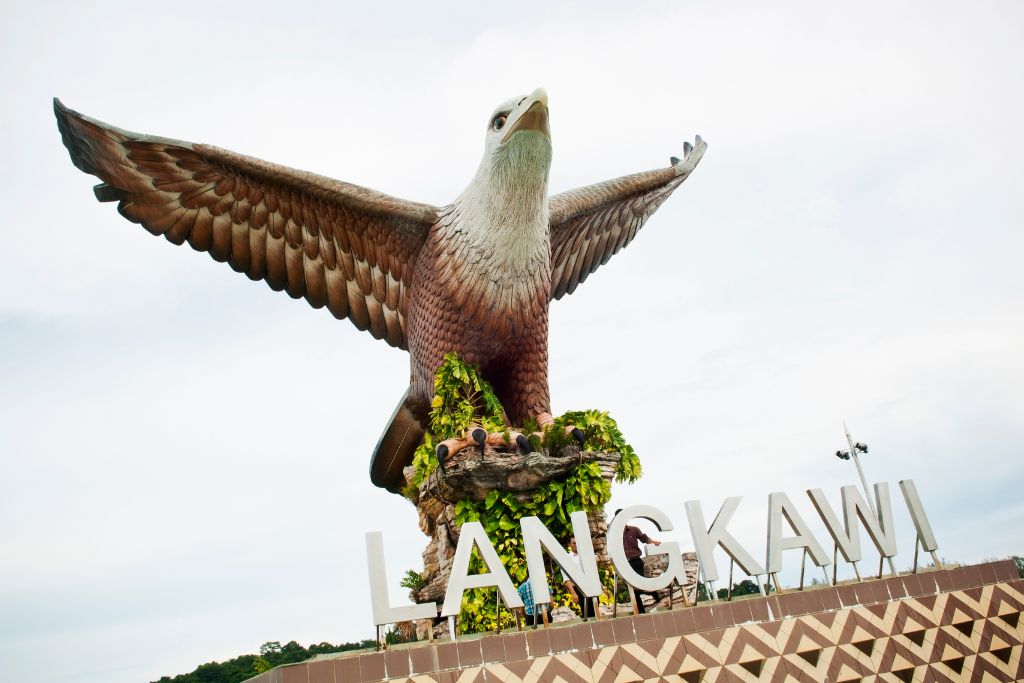
Langkawi’s tourism story is no longer about recovery. It is about momentum — and what that momentum signals for Malaysia’s broader destination brand as Visit Malaysia 2026 (VM2026) approaches.
In the first 11 months of 2025, Langkawi recorded more than 2.6 million airpassengers, a 13.8 per cent year-on-year increase, already surpassing the island’s full-year passenger total for 2024.
For marketers, this is more than a statistic. It is proof of sustained demand, renewed confidence, and the growing effectiveness of Malaysia’s destination narrative.
At the centre of this growth is Langkawi International Airport (LTAL) — not merely as infrastructure, but as an experience gateway.
As Langkawi Development Authority (Lada) Deputy CEO Wan Kamarul Faisal Wan Kamardin puts it, the airport has become a key driver of the island’s tourism economy, handling an average of 210 weekly flight movements, the majority domestic, but with international routes steadily expanding.
Connectivity Is the New Creative
That expansion matters. Tourism brands grow not only by volume, but by market diversity.
The arrival of Batik Air’s direct Tashkent–Langkawi route marks a strategic shift in how Malaysia courts new travellers.
Central Asia is not a traditional feeder market for Malaysian tourism, yet the inaugural flight from Uzbekistan arrived nearly full — a strong signal that emerging markets are responding to Malaysia’s value proposition of affordability, natural beauty, and cultural ease.
For destination marketers, this is a reminder that growth does not always comefrom louder messaging — but smarter targeting.
Uzbekistan’s middle-class travellers are increasingly outward-looking, digitally connected, and keen on destinations that offer nature, relaxation, and hospitality without complexity. Langkawi fits that bill precisely.
The timing could not be better.
From Passenger Numbers to Brand Proof
With 90,000 to 100,000 passengers expected over the next two weeks, Langkawi is entering the year-end period with demand already primed — a crucial advantage heading into VM2026.
Unlike destinations still spending heavily to rebuild awareness, Langkawi enters the campaign phase with organic momentum already in place.
For brands operating in travel, hospitality, retail, food, and experiences, this creates a fertile environment. Increased footfall raises expectations — not just for beaches and sunsets, but for curated experiences, seamless service, and meaningful storytelling.
Tourists arriving today are not just visitors; they are content creators, reviewers, and brand amplifiers.
The implications go beyond tourism operators.
Langkawi’s performance reinforces a broader marketing truth: destination branding works best when infrastructure, policy, and narrative move in sync.
Route development, diplomatic engagement, airport readiness and cultural welcome are all part of the same brand ecosystem.
As Malaysia gears up for 2026, Langkawi offers a working case study — showing how sustained connectivity, market diversification and experience-led positioning can turn an island into a growth engine.
In marketing terms, Langkawi is no longer a campaign asset.
It is becoming a proof point.
Share Post:

Haven’t subscribed to our Telegram channel yet? Don’t miss out on the hottest updates in marketing & advertising!