In another era, a slightly untidy fingernail in a poster would have passed unnoticed.
Today, it becomes a talking point, a meme, and—inevitably—a marketing case study.
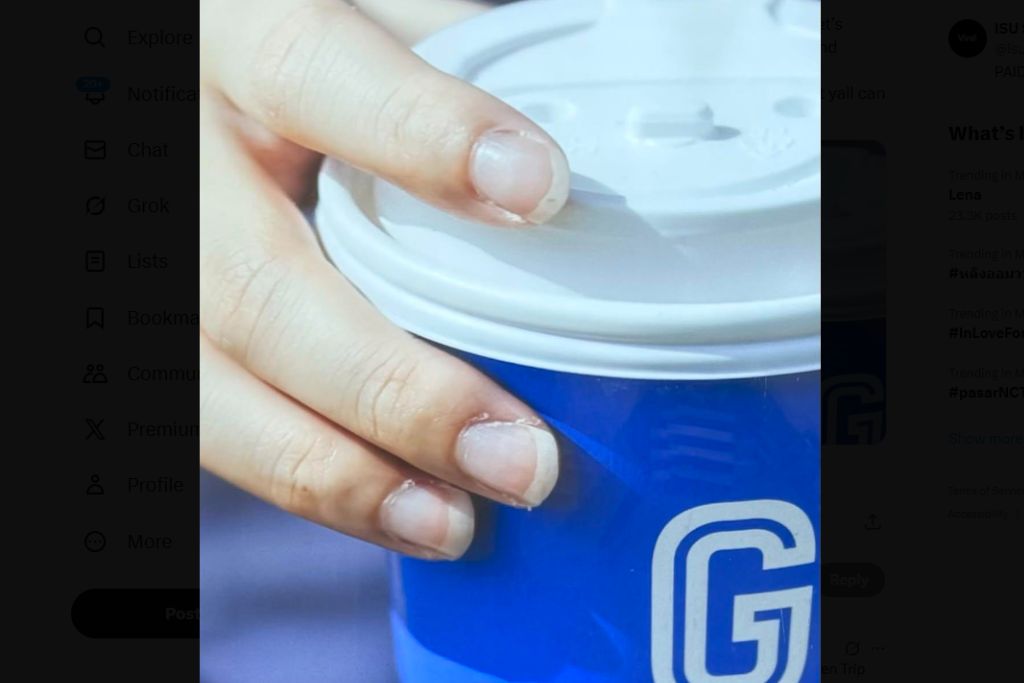
That is precisely what unfolded when a netizen zoomed in on a Gigi Coffee poster at Pavilion KL and called out the model’s “messy” nails as unhygienic.
Within hours, the critique snowballed into jokes, AI-edited “fixes,” and commentary that ranged from mildly amused to gleefully brutal.
The brand, at least at the time of writing, has remained silent.
So the real question for marketers isn’t whether the nails were actually offensive.
It’s whether this kind of microscopic scrutiny is now part of the branding reality—and how brands should respond when it happens.
The Era of Hyper-Visibility
We are firmly in the age of forensic branding.
Audiences don’t just consume visuals anymore; they interrogate them.
Fingers, teeth, reflections, backgrounds—nothing escapes notice once content is released into a social feed primed for outrage, humour, and virality.
In this context, the Gigi Coffee incident feels less like a hygiene debate and more like a reminder: brand visuals are no longer static assets; they are participatory objects.
The public will complete the narrative for you—often in ways you did not intend.
This is not unique to Gigi Coffee.
Internationally, fast-food chains have faced backlash over ads featuring “impossibly perfect” burgers, while closer to home, Malaysian brands have been called out for everything from unrealistic body imagery to product shots that conflict with halal sensibilities.
Even global giants like Pepsi and Dove have learned, sometimes painfully, that small visual cues can trigger disproportionate reactions when they collide with cultural context.
Branding Slip-Up or Social Media Overreach?
Was this a genuine brand misstep?
From a strict brand hygiene perspective, yes—especially for an F&B brand, where cleanliness is not just expected but symbolic.
Hands holding food and beverages operate as subconscious trust signals. When that trust is visually disrupted, even slightly, audiences react instinctively.
But was the reaction excessive? Possibly.
The speed with which humour took over the discourse—turning “Gigi Coffee” into “Kuku Coffee”—suggests the public treated this more as entertainment than a serious indictment of the brand.
That distinction matters. Not every viral critique demands a corporate apology.
In fact, overreacting can sometimes elevate a minor issue into a perceived brand crisis.

To Respond or Not to Respond
Silence, in this case, may be strategic.
When commentary skews humorous rather than hostile, brands often benefit from letting the cycle run its course. Responding risks validating the critique and extending its lifespan.
That said, marketers should not confuse public silence with internal complacency.
Moments like this belong in post-mortems, not press releases.
They are reminders to tighten visual QA processes and to view every asset through the lens of consumer interpretation—not just creative intent.
The Bigger Lesson for Marketers
The takeaway is not “everyone must have perfect nails.”
It is this: details now carry disproportionate symbolic weight.
In a hyper-aware, chronically online culture, brands are judged less by what they say and more by what they accidentally reveal.
Gigi Coffee’s poster will likely be forgotten in weeks.
But the lesson will linger: in 2026’s attention economy, the smallest detail can become the loudest brand statement—whether you planned it or not.
For marketers, that’s not paranoia. That’s the new baseline.