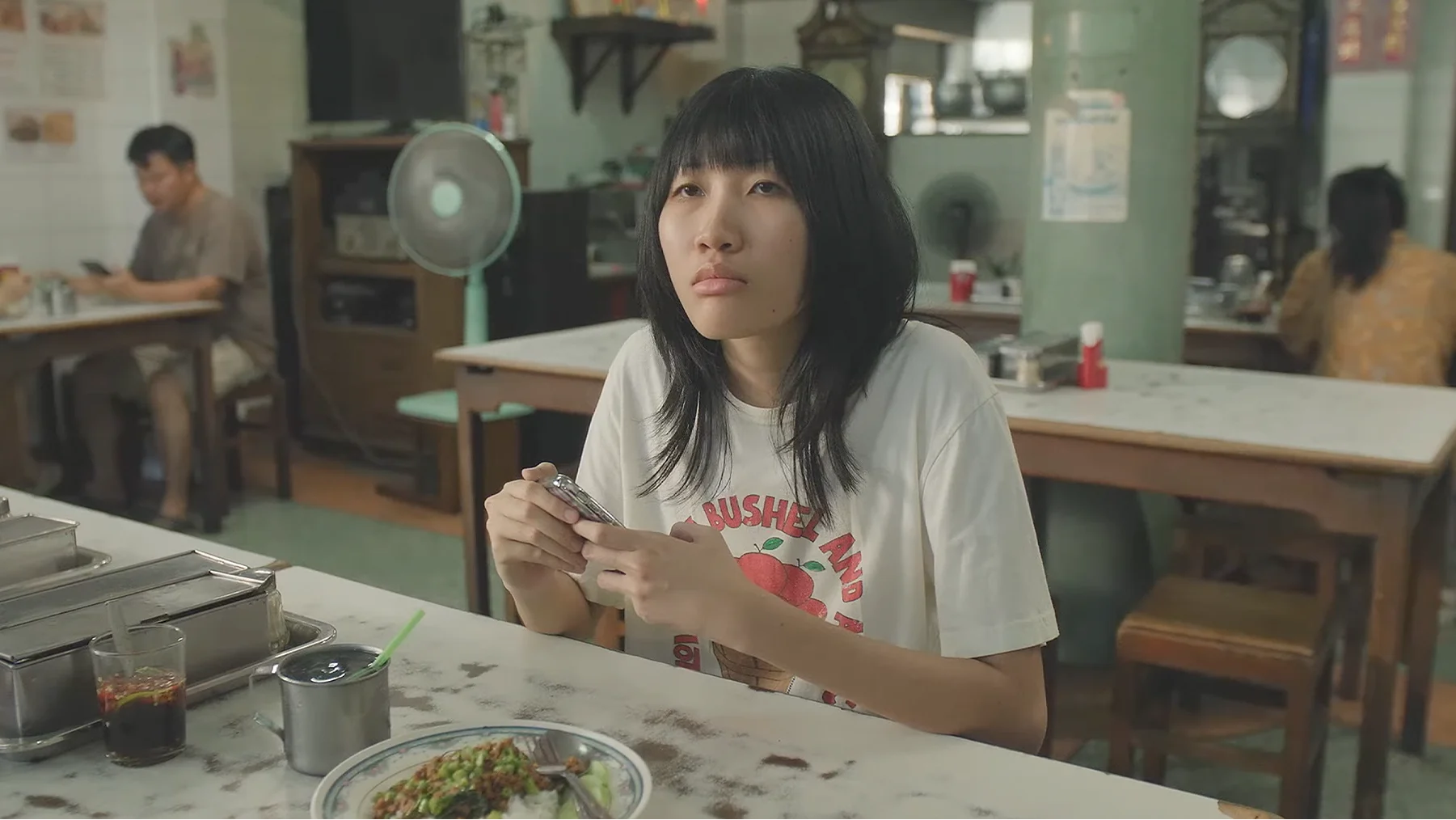
In Thailand, kaprao is not just lunch. It is identity, routine, and national pride on a plate. Which is why KFC Thailand’s latest campaign lands with such delicious provocation.
Get kaprao wrong, the film suggests, and you may as well prepare for jail!
It is a mischievous premise, but one rooted in a cultural truth every Malaysian creative instinctively understands that food here is never neutral.
It is memory, class, geography, and emotion all at once.
In Thailand, kaprao occupies the same sacred territory as nasi lemak does in Malaysia. Touch it carelessly and you invite judgement. Touch it knowingly, and you earn conversation.
That tension is exactly what KFC Thailand leans into.
Food As Cultural Law, Not Menu Item
The campaign frames kaprao as Thailand’s “unofficial national dish”, a daily staple that carries unwritten rules.
Add onions, corn, or long beans, and you are no longer improvising—you are committing a “food crime”. The joke lands because it reflects reality.
Kaprao debates are heated, deeply personal, and never-ending.
For Malaysian marketers, this is a reminder that the strongest cultural insights are often hiding in plain sight.
We tend to over-intellectualise “culture” into festivals, heritage months, or big national moments. Sometimes, the most powerful cultural code is a lunch order repeated millions of times a day.
Respect First, Reinvention Second
Crucially, KFC does not attempt to “correct” kaprao purists. Instead, it acknowledges their authority.
The Kaprao Crispy Chicken Rice Bowl is positioned not as the kaprao, but a kaprao—one that respects the dish’s core elements while translating it into KFC’s own language.
That humility matters. Too many brand reinterpretations fail because they rush to modernise before earning permission. This campaign understands that you do not innovate over culture; you innovate with it.
For Malaysian brands constantly trying to localise global platforms, this is a useful lesson. Authenticity is not about copying tradition perfectly. It is about signalling respect before offering reinterpretation.
Turning Controversy into A Creative Engine
Rather than avoiding the kaprao debate, the campaign amplifies it.
Developed with Wolf BKK, the idea invites vendors to be transparent about their version of kaprao and lets consumers choose sides. The message — “The routine menu, in a new way”—is quietly confident.
This is a clever inversion of brand risk. What might normally be seen as backlash is reframed as participation. The disagreement becomes the story.
For creatives in Malaysia, where brands often fear social media outrage, this is a reminder that controversy handled with cultural intelligence can generate affection rather than anger.

Craft That Understands Tone
Directed by Teerapol Suneta of Suneta House, the film’s tone is exaggerated but affectionate.
Jail is not punishment; it is playful exaggeration. The humour works because it never mocks Thai culture—it mocks the seriousness with which people defend it.
That distinction is everything.
What Malaysian Creatives Should Take Away
This campaign is not about fried chicken. It is about cultural fluency.
It shows how brands can enter sacred spaces without being sacrilegious, how humour can coexist with respect, and how everyday rituals can become strategic gold.
For Malaysian marketers navigating nasi lemak, teh tarik, roti canai, or even durian politics, the lesson is clear: the more ordinary the ritual, the more carefully it must be handled—and the more powerful it can be when done right.
Get the recipe wrong carelessly, and you will be rejected.
Get it “wrong” knowingly, with respect and wit, and you might just start a national conversation.