On December 4, 2025, two Grab riders in Kuala Lumpur were not on a campaign brief.
They were not filming branded content.
They were not activating a festive promotion.
They were knee-deep in floodwater, unclogging a drain.
In a 20-second TikTok clip that clocked more than half a million views, two p-hailing riders in green raincoats were seen pulling debris from a clogged roadside drain during heavy rain. Cars edged cautiously past as water began to recede.
One of the riders later commented: “I was merely cleaning the clogged drain so the water could flow, with the intention of easing traffic.”
That sentence may be the most powerful brand line Grab never wrote.
In the Age of Performative Purpose
Marketers spend millions constructing brand purpose narratives.
We script goodwill.
We storyboard empathy.
We buy media to amplify virtue.
Then two riders with bare hands outperform the entire industry.
This is not about heroism.
It is about proximity.
Grab is a platform brand that lives on the street.
Its riders are not abstract brand ambassadors; they are hyper-visible, hyper-local representatives of the brand ecosystem.
In Malaysia, where floods and flash storms are an annual urban reality, clearing a drain is not symbolic.
It is practical citizenship.
The emotional response online was immediate.
Comments ranged from blessings for “flowing rezeki” to pointed jabs at local councils.
Even Grab Malaysia’s official account stepped in to thank the riders.
Notice what happened here.
The brand did not initiate the story.
The community did.
Micro-Actions, Macro Equity
For marketing leaders, this episode offers three strategic insights.
1. Culture travels faster than campaigns.
The riders’ action spread organically because it aligned with a deeply Malaysian instinct: gotong-royong. Collective responsibility still resonates. No tagline required.
2. Brand equity is increasingly employee-generated.
In platform businesses, the frontline workforce is the brand. A single act — good or bad — can tilt public perception more effectively than a paid media burst.
3. Authenticity cannot be retrofitted.
If Grab had staged a CSR clean-up with influencers in branded ponchos, it would likely have been met with scepticism. Instead, the unscripted nature made it credible.
In a climate where consumers are quick to call out performative gestures, this matters.
The Street-Level Brand
Grab has positioned itself over the years as a “superapp” — mobility, food, payments, logistics.
Functional convenience.
But moments like this reposition the brand subconsciously as something else: embedded.
The riders did not solve Kuala Lumpur’s drainage system.
They solved one choke point on one road.
Yet symbolically, they stepped into a civic vacuum.
And that is where marketing becomes interesting.
Because when users praise riders and criticise local authorities in the same breath, the brand inadvertently absorbs moral credit.
Not through messaging — through behaviour.
The risk, of course, is scale.
One viral act builds warmth.
A pattern of neglect, poor service or rider exploitation would undo it instantly.
Purpose must be systemic, not episodic.
What Should Brands Do with This?
The temptation for any corporate communications team is to spin the story.
To build a campaign around “Everyday Heroes.”
To monetise the moment.
Resist that instinct.
The more strategic move is internal:
If there is a lesson here for Malaysian marketers in 2026, it is this: trust is built in the margins.
Not in the boardroom.
Not in the pitch deck.
On a flooded street in Taman Leng Sen.
Beyond the Viral Clip
Malaysia’s urban flooding is not new.
Social media virality is not new.
But the convergence of both creates a new marketing reality: every employee is a potential live broadcast.
The question is no longer “What is our brand message?”
It is “What will our people do when no one is watching?”
In this case, someone was watching.
And for 20 seconds, two Grab riders reminded the industry that brand building does not always require a budget.
Sometimes, it requires a pair of hands in the rain.
Share Post:

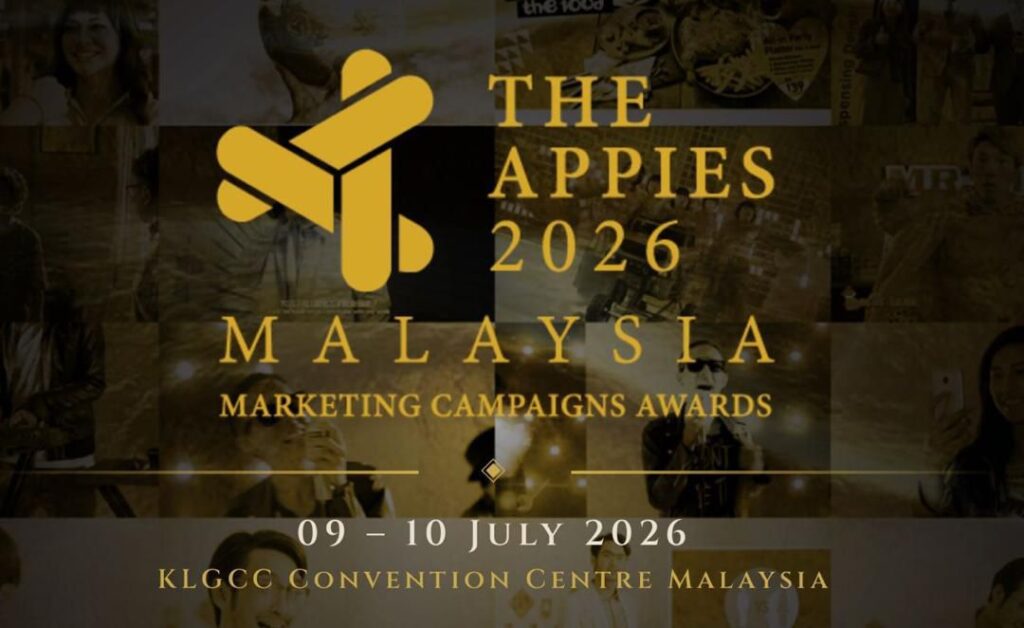
The APPIES is where Malaysia’s boldest campaigns, brightest ideas, and most impactful storytellers take the stage.
More than an awards show, it is the industry’s ultimate platform for creative, media, digital and marketing excellence, where live presentations meet live judging.
This is your chance to showcase work that moved audiences, shaped conversations, and delivered real results.
From breakthrough brand campaigns to innovative digital experiences, the APPIES celebrates the work that defines the future of marketing.
Step into the spotlight alongside the industry’s leading agencies, brands, creatives, strategists and changemakers.
Whether you are aiming for Gold, Silver, Bronze or the prestigious Best of the Best recognition, this is your moment to make history.
Your campaign deserves to be seen.
Your ideas deserve the stage.
Your work deserves the legacy.
KEY DATES
Haven’t subscribed to our Telegram channel yet? Don’t miss out on the hottest updates in marketing & advertising!