For decades, beauty advertising has traded in hope, aspiration and a little creative exaggeration.
A dab of cream promises radiance. A serum whispers youth. A celebrity with suspiciously perfect skin looks directly into the camera and suggests salvation may come in a bottle no bigger than a hotel shampoo.
But Britain’s advertising watchdog has just reminded the beauty industry that there is a line between aspiration and overreach.
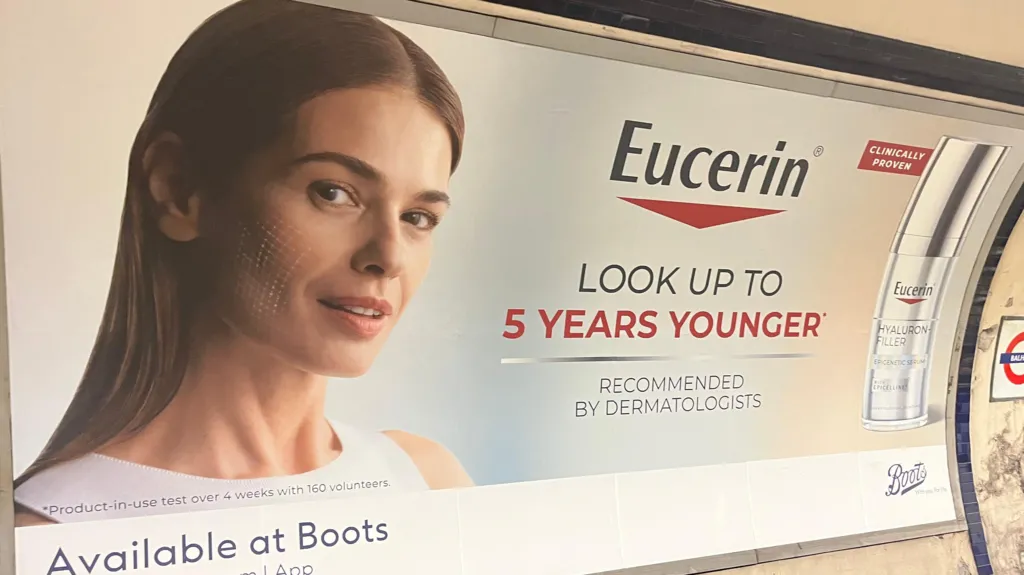
German skincare giant Beiersdorf has had a billboard advert for its Eucerin Hyaluron-Filler Epigenetic Serum banned in the UK after claims that the product could make users look “up to five years younger” failed to satisfy regulators.
The ruling by the Advertising Standards Authority (ASA) may appear like another routine regulatory slap on the wrist.
But beneath the surface, it reveals a growing tension shaping modern marketing: consumers increasingly want scientific proof, while brands still rely heavily on emotional persuasion.
The billboard, displayed at Balham Tube station in London, promoted the £49 serum as “clinically proven”.
According to the study cited, 160 participants used the product for four weeks before being asked how much younger they believed they looked.
That last part became the problem.
The ASA questioned the methodology behind the claim, noting the absence of a control group and highlighting that the results were based on self-assessment rather than independent clinical evaluation.
In other words, participants essentially looked in the mirror and offered their own opinions.
Anyone who has slept well, changed lighting in the bathroom, or had a flattering haircut knows how wildly subjective that can be.
The regulator also pointed out that the testing was conducted in a climate different from the UK, raising concerns about whether the results would translate consistently across markets.
Additional evidence submitted by Beiersdorf included unpublished studies that the ASA also found insufficiently robust.
In the end, the watchdog concluded that the advert was misleading and ruled that it could not appear again in its current form. For marketers, this story lands at an interesting moment.
Beauty brands have never been more dependent on the language of science. Packaging today reads like chemistry textbooks.
Consumers are sold peptides, hyaluronic acid, microbiomes and epigenetics with the confidence once reserved for pharmaceutical products.
The white lab coat has become one of the most powerful costumes in advertising. Yet consumers are simultaneously becoming more sceptical.
Social media has created a generation of buyers who zoom into before-and-after photos looking for inconsistencies.
TikTok skincare influencers dissect ingredient lists with forensic intensity. Reddit threads can destroy dubious claims faster than regulators can issue rulings.
The old formula of “clinically tested” no longer works as a magic spell on its own. What matters now is whether consumers believe the science behind the science.
That is why this ruling matters beyond one serum or one billboard. It reflects a wider crackdown on vague wellness and beauty claims dressed in scientific language.
Regulators are becoming increasingly impatient with terms that sound authoritative but rest on shaky evidence. The irony is that beauty marketing has always relied on emotion because beauty itself is emotional.
Nobody buys a serum purely for hydration percentages. They buy possibility. Confidence. Hope. A small ritual that briefly pushes back against time.
But the modern consumer wants emotional storytelling anchored by evidence that can survive scrutiny. That balancing act is becoming harder.
In Malaysia, where K-beauty, Japanese skincare and cosmeceuticals continue to grow rapidly, the implications are equally relevant.
Local marketers have enthusiastically embraced scientific positioning, often borrowing heavily from dermatological language and laboratory aesthetics. “Clinically proven” has become as common as “limited offer”.
The danger comes when marketing departments drift ahead of what research can genuinely support.
Lianne Sykes, an aesthetics marketing expert quoted in reports surrounding the case, perhaps captured the broader issue best when she reminded consumers that healthy skin usually comes from clusters of habits rather than a miracle product alone.
That may sound inconvenient for advertisers. But it is also where trust lives.
Because in an era flooded with filters, AI-enhanced visuals and algorithmically perfected beauty, authenticity itself is becoming a premium asset.
Consumers may still dream of looking five years younger. But brands that want lasting loyalty may need to start looking a little more honest instead.
Share Post:


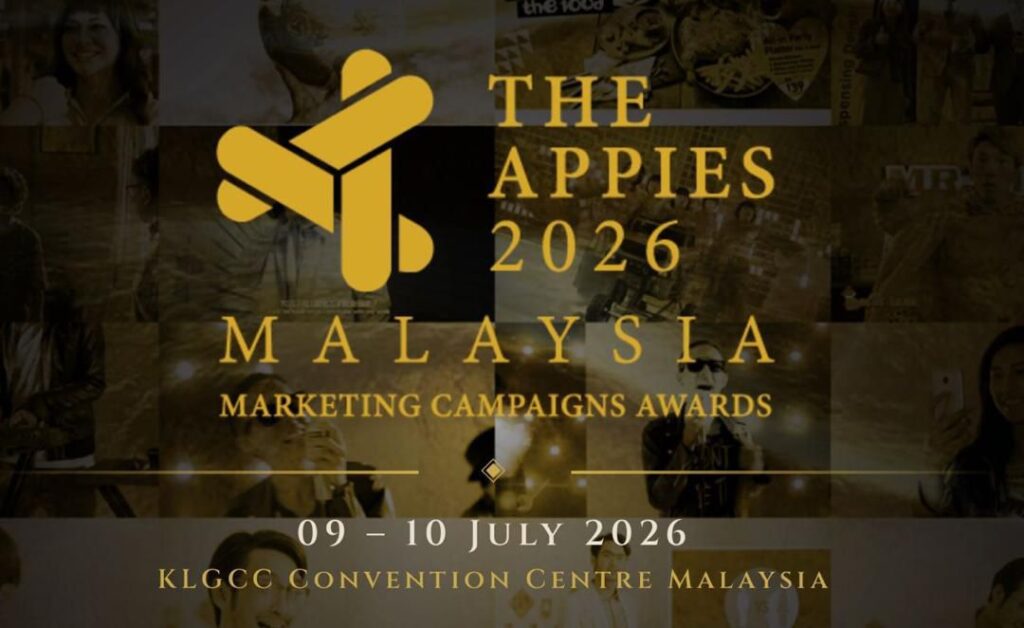
The APPIES is where Malaysia’s boldest campaigns, brightest ideas, and most impactful storytellers take the stage.
More than an awards show, it is the industry’s ultimate platform for creative, media, digital and marketing excellence, where live presentations meet live judging.
This is your chance to showcase work that moved audiences, shaped conversations, and delivered real results.
From breakthrough brand campaigns to innovative digital experiences, the APPIES celebrates the work that defines the future of marketing.
Step into the spotlight alongside the industry’s leading agencies, brands, creatives, strategists and changemakers.
Whether you are aiming for Gold, Silver, Bronze or the prestigious Best of the Best recognition, this is your moment to make history.
Your campaign deserves to be seen.
Your ideas deserve the stage.
Your work deserves the legacy.
KEY DATES
Haven’t subscribed to our Telegram channel yet? Don’t miss out on the hottest updates in marketing & advertising!