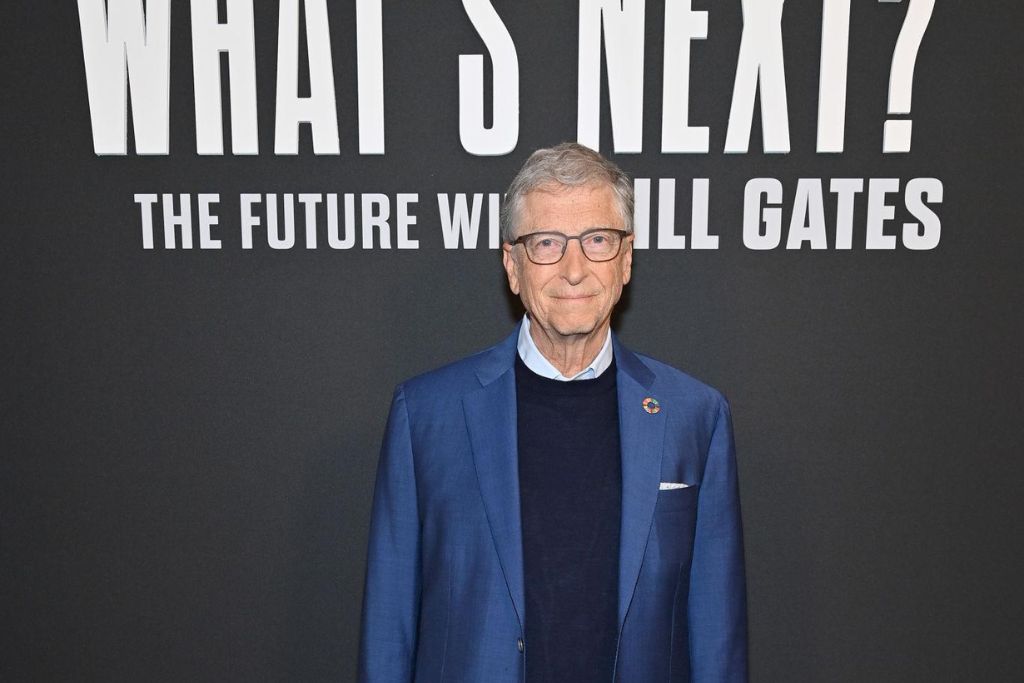
Bill Gates has withdrawn from delivering a keynote at the AI Impact Summit in New Delhi, reports AFP, after being named in newly released US Justice Department documents related to Jeffrey Epstein.
The decision, according to the Gates Foundation, was made “after careful consideration” to ensure the summit’s focus remained on AI rather than the controversy.
The summit — which features Indian Prime Minister Narendra Modi alongside global technology leaders — is positioned as a serious forum on the opportunities and risks of advanced AI systems.
Instead, headlines have pivoted to reputational risk, governance, and the persistent shadow of past associations.
Timing Is Everything
The Gates Foundation confirmed that its Africa and India president would speak in his place.
It reiterated its ongoing commitment to health and development initiatives in India, signalling an effort to separate philanthropic work from personal controversy.
The withdrawal follows the release of a fresh tranche of documents from the US Justice Department’s investigation into Epstein, who died by suicide in 2019.
The files reportedly include a draft email in which Epstein made allegations about Gates’ personal life — claims Gates has firmly denied.
In a recent interview with 9News Australia, Gates said he regrets “every minute” spent with Epstein. He also described the email referenced in the documents as false and unsent, questioning Epstein’s motives.
A spokesperson for Gates echoed that position, stating that the documents demonstrate Epstein’s “frustration” at not having an ongoing relationship with Gates and suggesting attempts to entrap or defame him.
AI’s Credibility Problem
For the AI industry, the episode lands at a delicate moment.
The AI Impact Summit was designed to debate regulation, democratisation and the balance between innovation and risk.
Ironically, one of the recurring themes across global AI discourse — including recent calls from tech leaders for stronger governance frameworks — has been trust.
Reputation is part of that equation.
When high-profile tech figures become the centre of unrelated controversies, it complicates an already fragile public narrative around AI.
Governments are weighing regulatory oversight. Brands are grappling with AI adoption. Consumers remain divided between fascination and suspicion.
Against that backdrop, distraction is costly.
Philanthropy, Power and Public Scrutiny
The developments also revive scrutiny of elite networks that bridged technology, philanthropy and finance over the past two decades.
In an era where CEOs double as brand assets, personal associations can quickly morph into corporate liabilities.
For event organisers, the calculus is pragmatic: preserve the agenda.
For global foundations, it is about insulating mission-driven work from controversy.
For the broader AI ecosystem, it is a reminder that technology does not operate in a vacuum — it sits within human institutions, human judgement and human frailty.
The AI summit in New Delhi will proceed. The conversations about AI regulation, safety and opportunity will continue.
But this week, the industry has been reminded that in the court of public opinion, legacy issues can resurface at any time — and they can overshadow even the most future-facing agenda.
Share Post:

Haven’t subscribed to our Telegram channel yet? Don’t miss out on the hottest updates in marketing & advertising!